Sharing a bed with your dog can feel cozy and comforting, but it can also come with a few side effects—some minor, some worth planning around. The biggest issues tend to fall into sleep quality, allergies and hygiene, and behavior.
Dogs shift positions, scratch, dream, and respond to noises. Even if you don’t fully wake up, these little movements can fragment sleep and leave you feeling less rested. Light sleepers may notice it most, especially with larger dogs or multiple pets on the bed.
If anyone in the home has allergies or asthma, close contact at night can make symptoms worse. Dander, pollen, and dust your dog picks up during walks can transfer to bedding and linger near your face for hours.
Sleeping together often means more frequent sheet washing and quicker buildup of “dog smell,” especially after rainy-day walks or outdoor play. Paw grime and shedding can also collect in blankets and mattresses, which can be a hassle over time.
Even with preventatives, parasites can occasionally hitch a ride indoors. Close nighttime contact may increase the chance of bites or skin irritation, and it can be harder to keep the sleep area consistently clean if your dog is prone to itching.
For some dogs, bed-sharing can reinforce clinginess or guarding behaviors, especially if they become possessive of “their” spot. If your dog struggles with separation or reactivity, a consistent, comfy independent sleep space may help them settle more confidently.
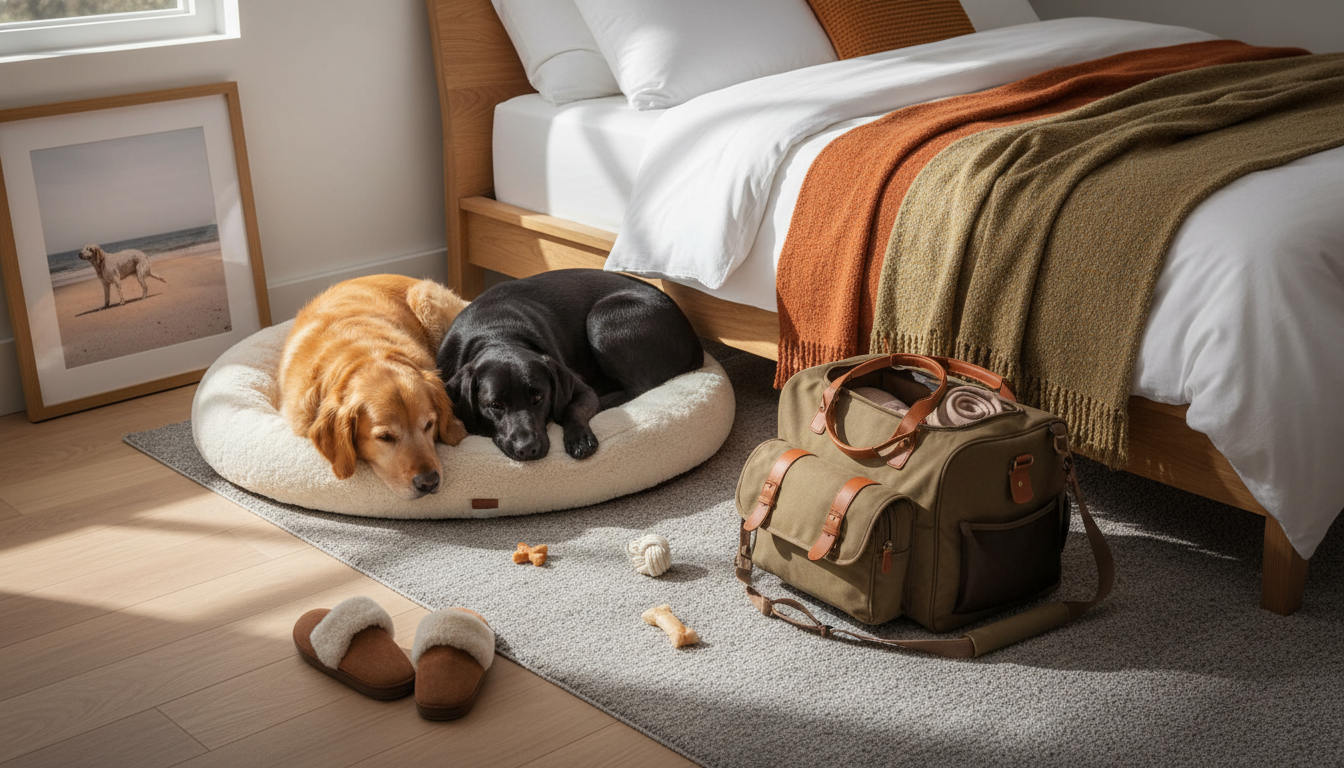
If you love the closeness but want better sleep hygiene, place a supportive dog bed right next to your bed. A well-designed, easy-to-clean option can give your pup that “sleep close” comfort without taking over your sheets. For tips on creating a clean, snug nighttime setup, see this guide to a cozy, clean dog bed routine.
It can be okay if everyone sleeps well and allergies, hygiene, and behavior aren’t becoming problems. If sleep quality drops, try having your dog sleep in their own bed next to yours.
Common downsides include disrupted sleep, more shedding and dirt in bedding, and worsened allergies. Some dogs may also develop boundary issues if bed-sharing becomes a source of guarding or anxiety.
If your dog has fleas/ticks risk, frequent itching, or you have allergies or poor sleep, sharing a bed can make things harder. A nearby dog bed can keep the closeness while improving cleanliness and routine.