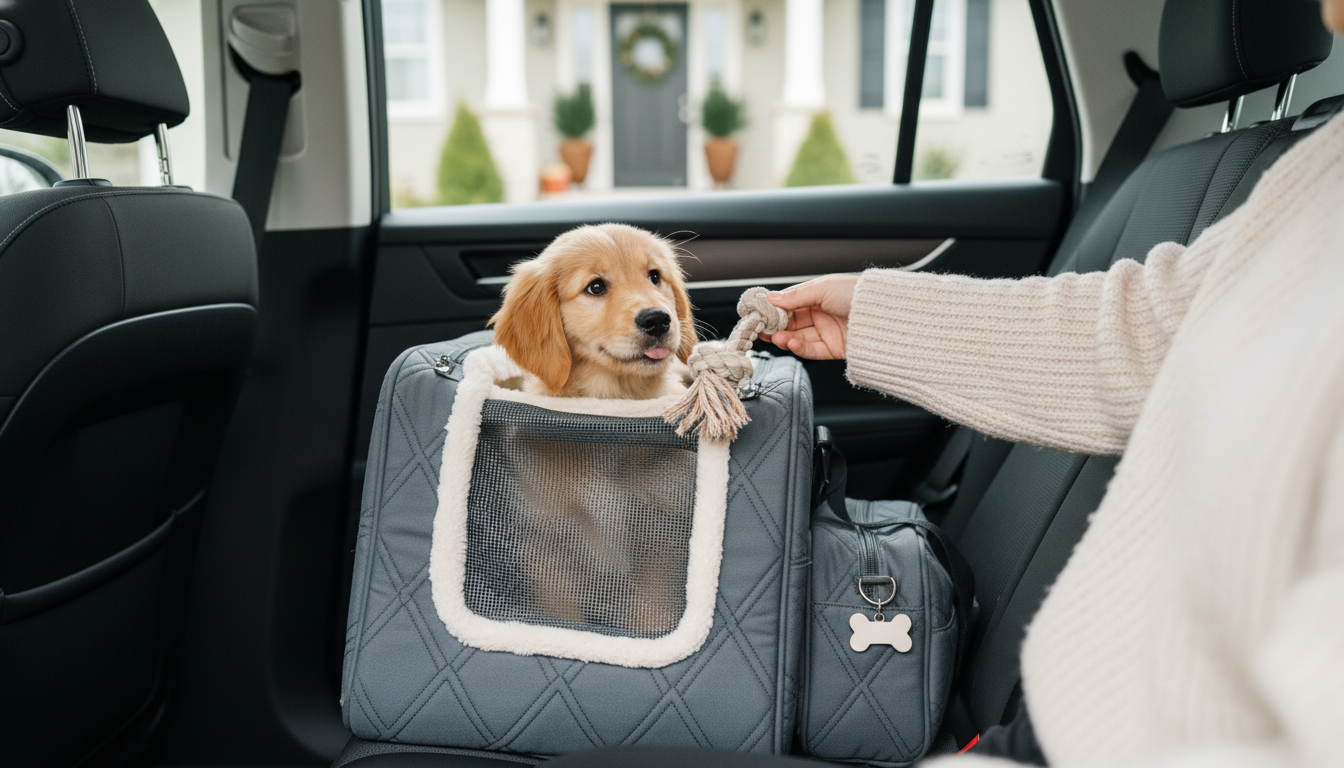
The “3-3-3 rule” is a simple way to understand how many dogs adjust after moving into a new home—especially rescues, rehomed dogs, or pups switching routines. It breaks the transition into three timeframes: 3 days, 3 weeks, and 3 months. Each stage comes with common behaviors and a few practical “things to do” that help your dog feel safe, comfortable, and settled.
In the first 72 hours, many dogs are overwhelmed. They may be quiet, clingy, unsure about eating, or have accidents. Focus on three things: (1) keep life calm and predictable, (2) limit visitors and too much handling, and (3) set up a cozy “home base” (bed or crate area) where your dog can retreat without being bothered.
By week three, your dog often starts showing more personality—and more energy. This is when training and structure matter most. Aim for three things: (1) consistent potty and feeding schedules, (2) short, positive training sessions (sit, leash manners, name recognition), and (3) gentle social exposure—new sounds, people, and places in small doses.
Around three months, many dogs feel like this is truly “home.” You’ll usually see steadier behavior, stronger bonding, and fewer stress responses. Support that with three things: (1) regular exercise and enrichment (sniff walks, puzzle toys), (2) ongoing boundaries and reinforcement, and (3) comfort upgrades—like a supportive bed and travel-ready gear—so your dog feels secure at home and on the go.
Daily walks can make each stage easier when you’re prepared and organized. For a practical, hands-free setup that keeps essentials within reach, visit this guide to a hands-free, organized dog walking bag.
Most dogs do best with a bed that matches their size and sleep style, offers easy-to-clean materials, and provides enough support for their joints—especially as they get older.