IVDD (intervertebral disc disease) can look scary fast: one day your dog is playing, the next they’re painful, wobbly, or unable to use their back legs. But IVDD alone isn’t a reason to euthanize. Many dogs recover well with the right plan—strict rest, pain control, physical rehab, or surgery when needed—especially when treatment starts quickly.
The hardest decisions usually come down to quality of life, not a diagnosis. Euthanasia may be considered if your vet confirms that:
Many IVDD dogs can have happy lives, even with mobility changes. Positive signs include controlled pain, stable breathing and appetite, interest in family time, and steady progress—however small—with therapy. Some dogs adapt beautifully with harness support, a stroller, or a wheelchair once pain is managed.
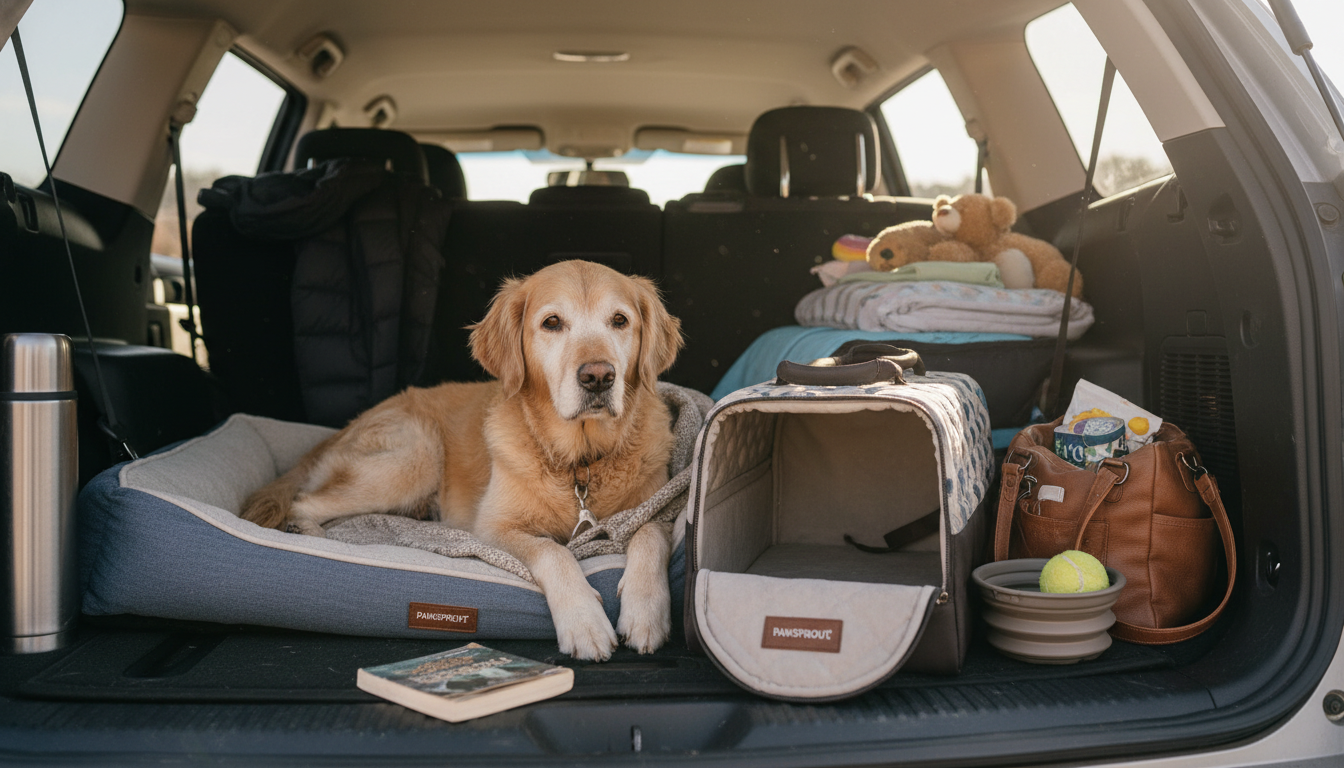
Whether your dog is recovering or you’re weighing next steps, comfort and safety are everything. A supportive, non-slip surface can reduce scrambles and stress during rest periods. For practical ideas on setting up a cozy recovery space, see our guide here: washable non-slip dog bed mattress and plush pad tips.
Ask for clear checkpoints: pain scores, mobility goals, bladder/bowel management, and a realistic timeline. If possible, consider a second opinion from a veterinary neurologist. Having a plan can make the decision feel less like guesswork and more like loving follow-through.
Advanced IVDD can include paralysis and loss of deep pain sensation, sometimes with inability to urinate normally. Prognosis depends on severity and how quickly treatment begins.
Yes. Many dogs live comfortably with IVDD after rest, medication, rehab, and sometimes surgery, especially when pain is well controlled and mobility is supported.
Online stories can be helpful for perspective, but the right decision depends on your dog’s pain control, function, and overall quality of life as assessed with your veterinarian.