Nighttime panting can be totally harmless—or a sign your dog needs help—so it’s worth noticing the context. Some dogs pant after an exciting evening, a late walk, or if the bedroom is warm or stuffy. Others may pant because they’re uncomfortable, stressed, or in pain. The difference is usually in the “whole picture”: how long it lasts, how often it happens, and whether any other symptoms show up.
If your dog settles quickly and seems otherwise fine, mild panting may be linked to heat, recent activity, or dreaming. Dogs don’t sweat like humans, so panting is one of their main ways to cool down. A cozy home can still feel too warm when they’re sleeping on thick blankets or in a spot with poor airflow.
Consider calling your vet (or an emergency clinic) if panting is new, intense, or paired with other changes. Watch for restlessness, pacing, whining, trembling, coughing, gagging, drooling, a bloated belly, weakness, or trouble getting comfortable. These can point to pain, anxiety, respiratory or heart issues, fever, overheating, medication side effects, or (in older dogs) cognitive changes. If gums look pale/blue, breathing seems labored, or your dog can’t settle, treat it as urgent.
Below are practical points for quick ways to help your dog feel comfortable tonight.
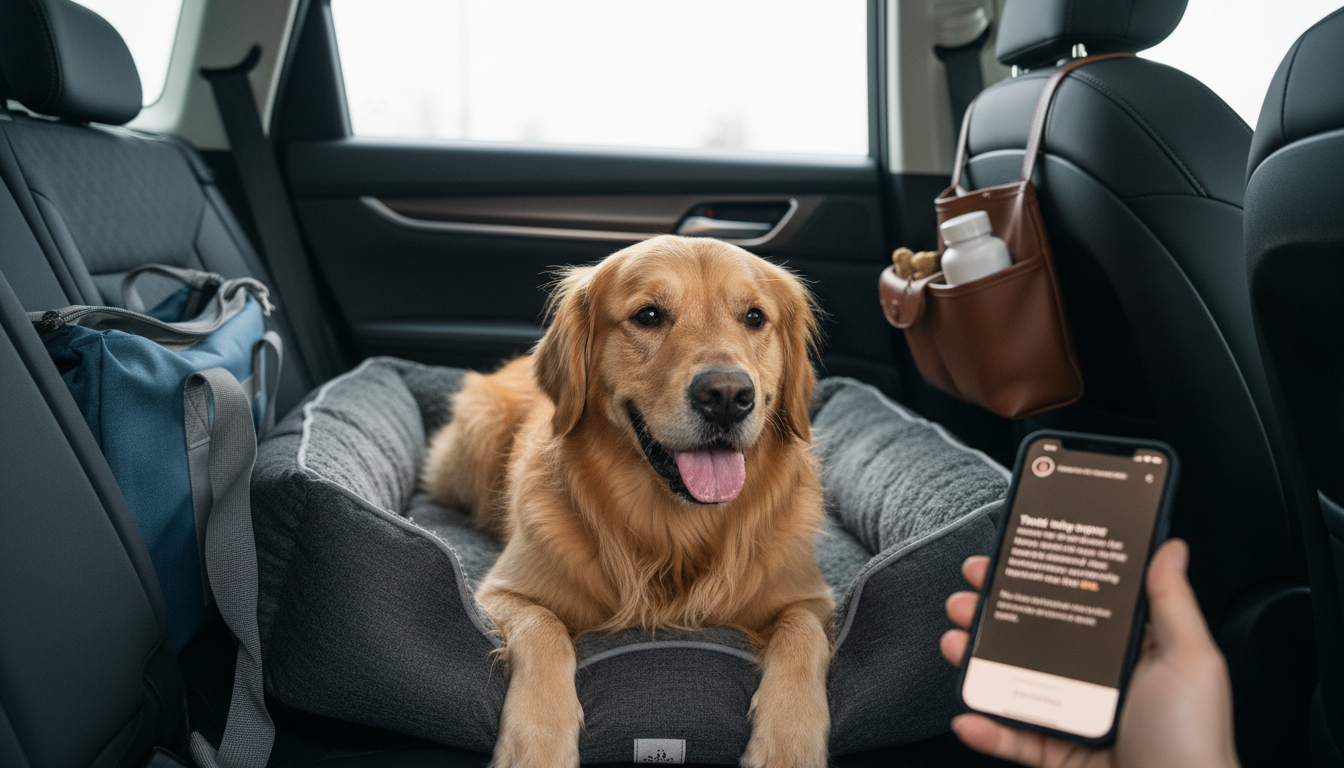
If panting shows up after outings, building calmer routines can help—especially for dogs who get overstimulated or motion-stressed. A supportive carrier and a secure, cozy setup can make transitions smoother. For travel comfort tips and a closer look at a stylish, safety-focused option, see this guide to the Puff Puppy Dog Car Seat Carrier Bag.
Start by cooling the room, offering water, and creating a quiet sleep space. If panting continues nightly or comes with restlessness or discomfort, contact your vet to rule out pain, anxiety, or illness.
Common causes include needing to potty, feeling too warm, anxiety, or pain that’s more noticeable at rest. If it’s sudden, frequent, or paired with coughing, weakness, or pacing that won’t stop, call your vet.
Sudden fear with panting can happen after a loud noise, an unfamiliar smell, or a stressful event, but it can also reflect pain or a medical issue. If the behavior is new, intense, or your dog can’t settle, get veterinary guidance promptly.