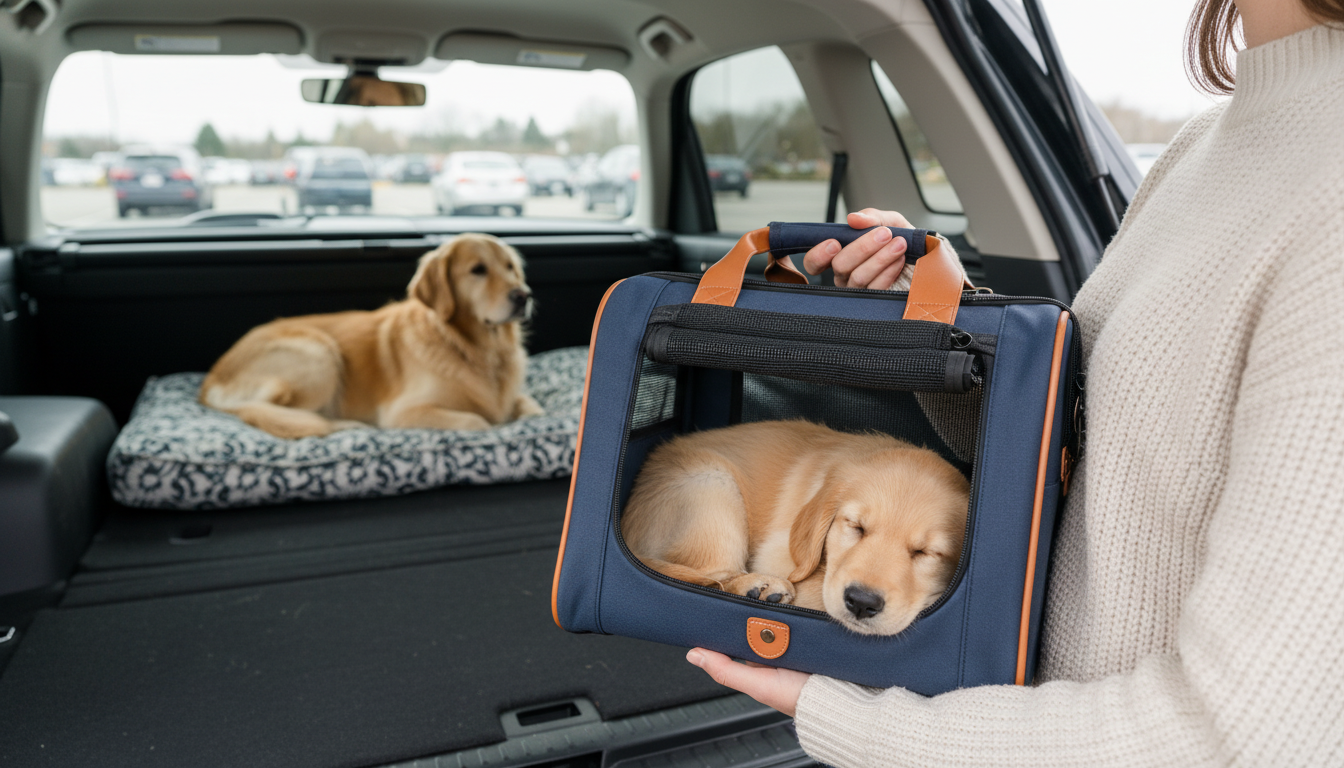
Scroll through any “should my dog sleep in my bed?” thread and you’ll see the same theme: it depends on the dog, the human, and the household rules. Plenty of people love the closeness and the extra warmth. Others stop because of allergies, disrupted sleep, or boundary issues. The best choice is the one that keeps everyone comfortable, safe, and well-rested.
If your dog is calm at night, house-trained, and doesn’t guard spaces or resources, co-sleeping can be cozy and reassuring. Some dogs settle faster when they’re near their person, and many owners enjoy the bonding that comes with a bedtime routine. It can also be practical for seniors or small dogs who sleep better when they feel secure—so long as getting on and off the bed is safe.
If your dog wakes you frequently, snores loudly, kicks, or patrols every sound, your sleep quality can take a real hit. Dogs with separation anxiety may become more dependent when bed-sharing is the only way they can relax. It’s also worth skipping if anyone in the home has allergies, asthma triggers, or a weakened immune system. Puppies, dogs with accidents, or dogs recovering from parasites/skin infections should stay in their own washable sleep space until things are fully under control.
Consider a “best of both worlds” setup: a dedicated dog bed right next to your bed. Your dog still gets closeness, and you keep your own sleep space consistent. Choose a bed that’s supportive, non-slip, and easy to clean—especially if your pup tracks in dirt after walks or travel. For tips on choosing the right option for comfort and durability, see this guide: washable, non-slip dog bed mattress and plush pad guide.
Bed-sharing tends to work best when your dog sleeps through the night, respects “off” cues, doesn’t guard the bed, and everyone wakes up feeling rested. If any of those are shaky, start with a nearby dog bed and build consistent routines.
Not at all—many pet owners do it for comfort and bonding. It only becomes a problem if it disrupts sleep, worsens anxiety, or causes boundary issues.
For some anxious dogs it can feel calming, but for others it can increase dependence. A nearby dog bed plus a steady bedtime routine often supports anxiety while keeping boundaries clear.