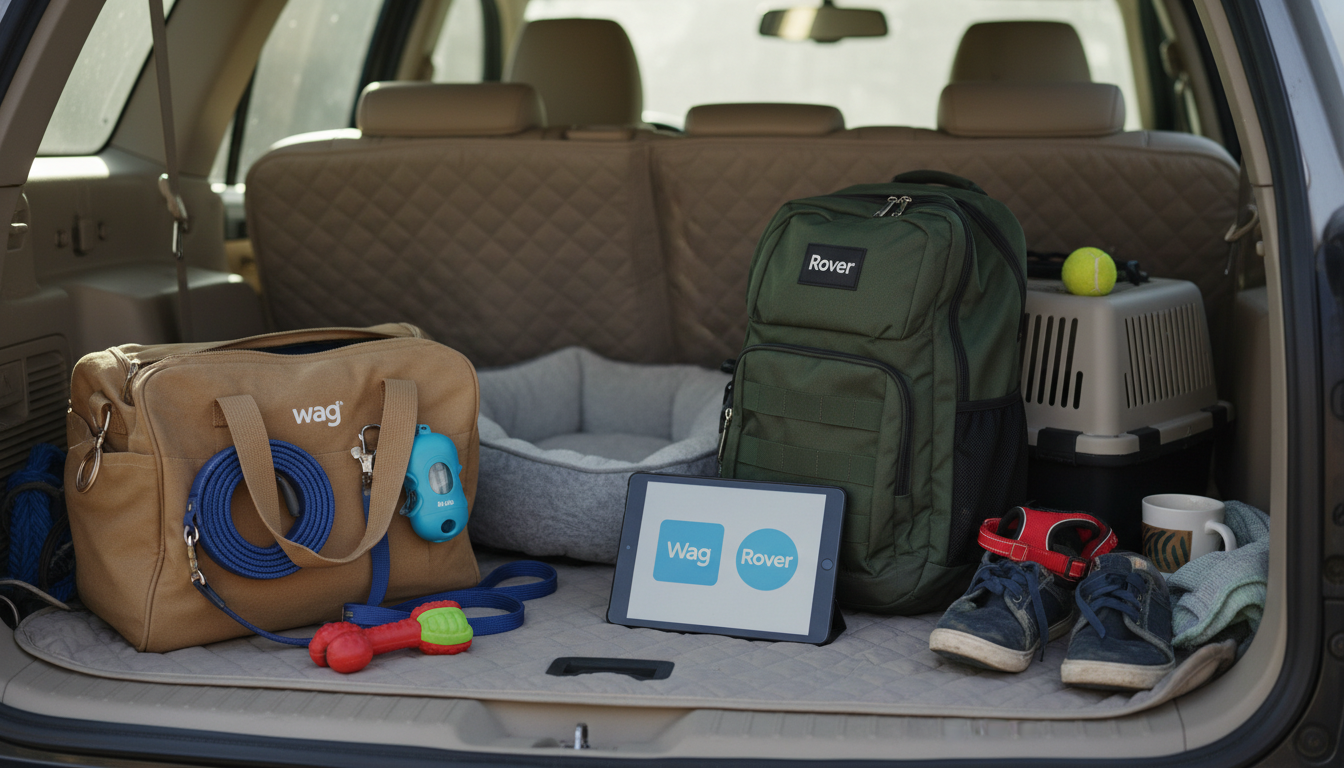
For dog walkers, “better” usually comes down to how you like to work: fast, on-demand bookings versus building repeat clients and a steady schedule. Both Wag and Rover can be solid options, but they tend to shine in different ways.
Wag is often associated with quick, app-driven requests—helpful if you want to fill open time slots or you’re just getting started and want access to a stream of walk opportunities. If you prefer picking up walks on the go and keeping things simple, Wag’s on-demand style can feel convenient.
Rover is commonly favored by walkers who want to cultivate ongoing relationships with pet parents. If your goal is a more predictable routine with repeat bookings, Rover’s marketplace-style approach can make it easier to grow a client base and create a consistent weekly schedule.
No matter which platform you use, your experience is shaped by the basics: clear communication, punctuality, and safe handling. It also helps to show up prepared—treats, poop bags, water, and a secure place for your phone and keys. A hands-free waist pack keeps essentials close without juggling items mid-walk.
If you want a practical setup for walks—whether you’re taking one dog or a full slate of bookings—check out this guide to the Red Rover hands-free dog walking bag: https://kingwuff.com/blog/guide-red-rover-dog-walking-bag-hands-free-waist-pack/. Having durable, easy-access storage can make walks feel smoother and more comfortable for both you and the pups.
It can be a good choice for many dogs if it fits their size and sleep style and uses supportive, washable materials. Look for a non-slip base, durable stitching, and enough cushioning—especially for seniors or larger breeds.