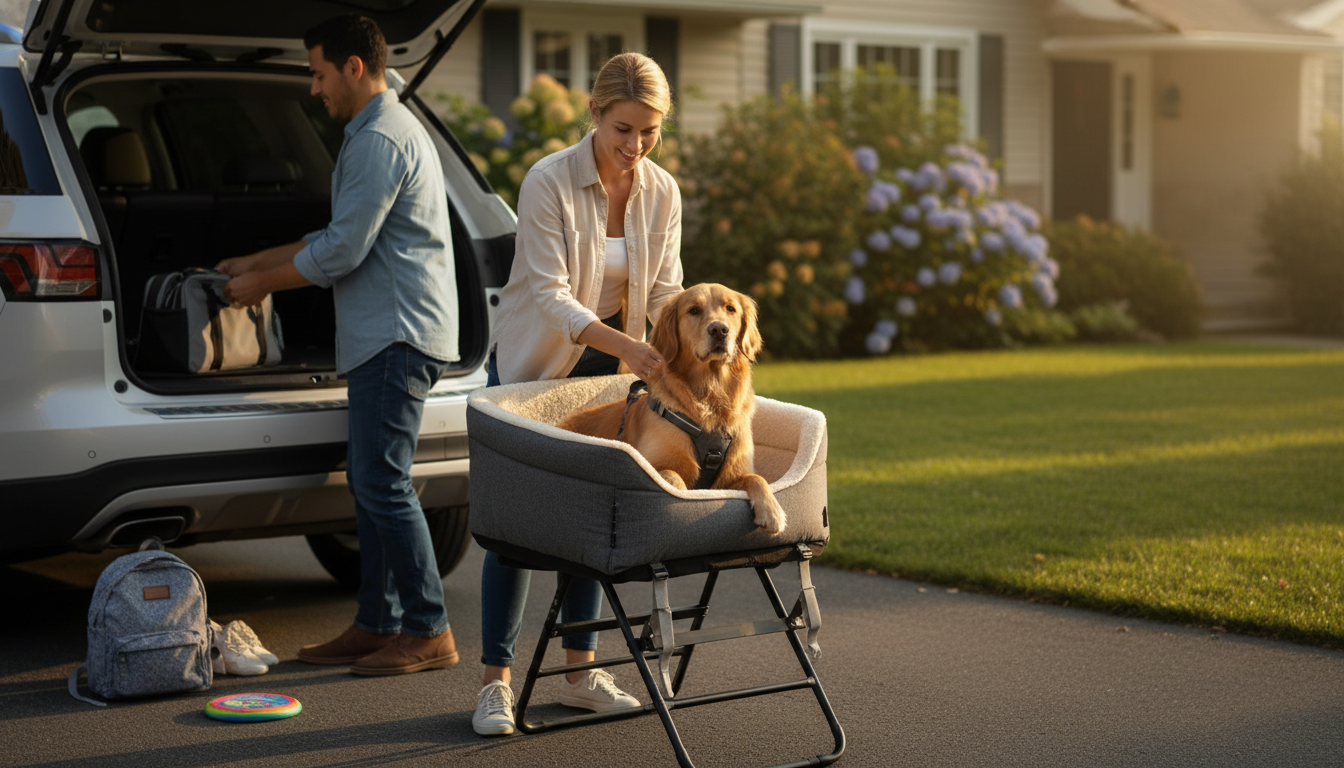
Yes—there are safe dog car seats, but “safe” depends on how the seat is built and how your dog is restrained. The safest options are crash-tested (or built to crash-test standards), use a strong internal structure, and pair with a properly fitted harness that connects to the car’s seat belt system. A soft booster that only clips to a collar or attaches to a headrest can feel cozy, but it won’t provide the same level of protection during sudden stops.
Below are practical points for what to look for in a safe dog car seat.
A safe setup keeps your dog anchored without putting pressure on the neck. Choose a seat that includes (or accommodates) a short tether designed to clip to a harness, not a collar, so your pup stays in place while reducing injury risk.
Look for multiple attachment points—such as seat belt routing and headrest straps—to limit sliding and tipping. A seat that stays level helps your dog settle, especially on turns and bumpy roads.
Support matters for both safety and calm. Higher, padded sides can help a small dog feel tucked in, while a firm base prevents sagging that can throw off the seat’s balance.
A car seat should fit your dog’s weight and body length so they can sit or lie down comfortably without too much extra room. Oversized seats can let a dog bounce around; undersized seats can restrict breathing and movement.
For a deeper look at choosing a comfy, secure dog car seat carrier—plus fit tips and travel-friendly features—visit this complete guide to the Puff Puppy Dog Car Seat Carrier Bag.
A stable booster-style seat with supportive sides can help nervous dogs feel contained and less wobbly. Pair it with a harness tether and start with short, calm rides to build comfort.
The safest choices are crash-tested seats or carrier-style seats designed to work with a harness and install securely using the seat belt. Look for a firm base, strong attachment points, and a size that fits your dog snugly.
In the back seat, secured in a properly installed dog car seat or carrier and clipped to a well-fitted harness. Avoid attaching restraints to a collar and keep your dog away from active airbags.