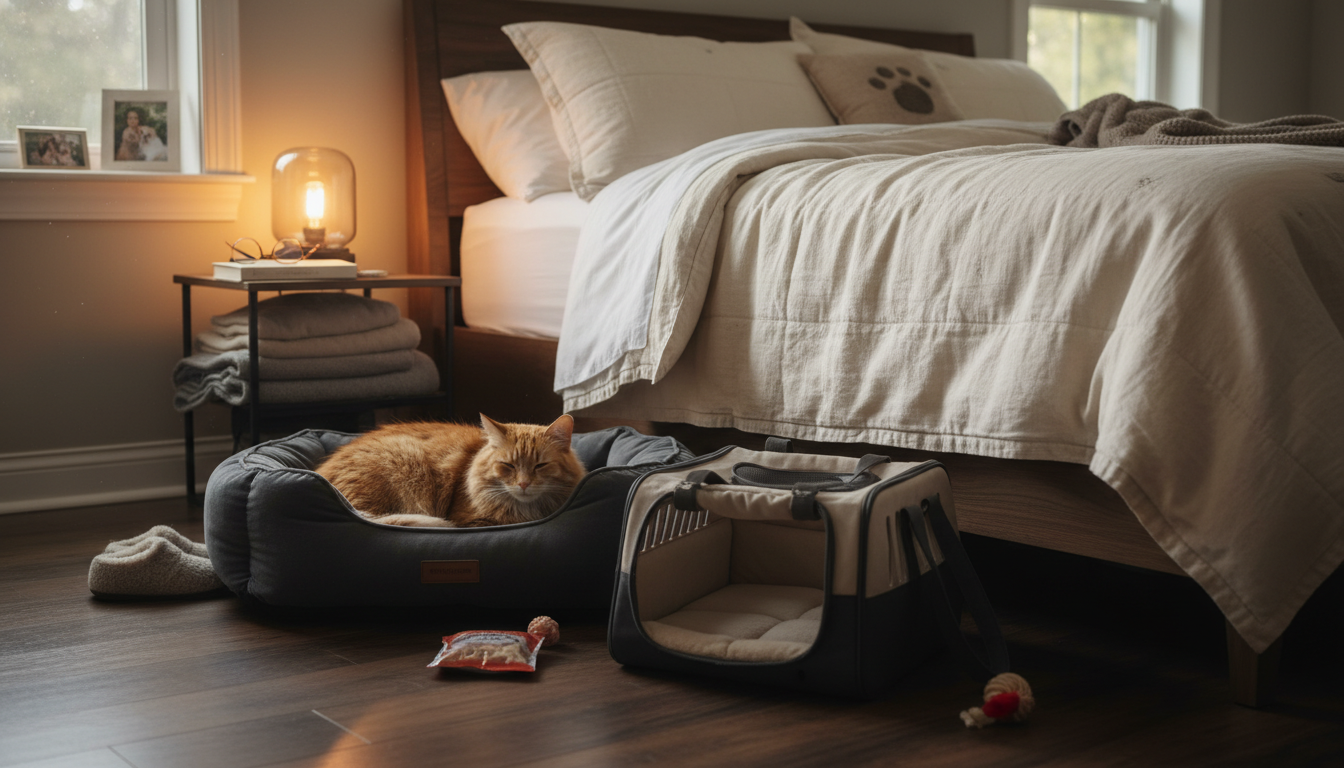
Sleeping with your cat usually isn’t unhealthy for most people, but it can be a little risky depending on allergies, asthma, your immune system, and your cat’s hygiene and parasite prevention. The biggest concerns tend to be disrupted sleep (cats are light sleepers and may move around), allergens like dander, and the small chance of picking up germs or parasites if your cat isn’t on routine vet care.
If you’re healthy, your cat is indoor-only (or closely supervised outdoors), and they’re up to date on flea, tick, and deworming prevention, bed-sharing is typically a comfort choice—not a health hazard. If anyone in the home is pregnant, very young, elderly, immunocompromised, or has severe allergies, it’s smarter to keep sleep spaces separate.
Start with cleanliness: keep your cat on consistent parasite prevention, schedule regular vet checkups, and maintain a clean litter area. Wash your bedding frequently, and consider using a washable blanket on top of the comforter so you can toss it in the laundry more often.
For better sleep quality (for both of you), give your cat a cozy “yes” spot near your bed. A dedicated pet bed can satisfy the snuggle instinct while keeping fur and litter particles out of your sheets. If your household also has dogs, a supportive, easy-to-clean bed helps everyone settle in comfortably—this guide to a washable, non-slip pet bed setup is a helpful reference: https://kingwuff.com/blog/guide-washable-non-slip-dog-bed-mattress-plush-pad/.
Skip bed-sharing if you’re dealing with persistent sneezing/wheezing, frequent nighttime wake-ups, or if your cat has fleas, diarrhea, coughing, skin issues, or isn’t reliably using the litter box. Also avoid it if your cat hunts outdoors—those adventures can bring home hitchhikers you don’t want in your bedding.
It can be a problem if it worsens allergies/asthma, disrupts sleep, or if your cat isn’t on parasite prevention. Some people also prefer boundaries for hygiene, especially if the cat goes outdoors.
Many people report it’s fine when cats are healthy and treated for fleas/worms, but experiences vary widely due to allergies and sleep disruption. If symptoms pop up, separate sleeping spaces can help quickly.
It’s uncommon, but possible if your cat has intestinal parasites or fleas (which can carry tapeworm). Consistent flea control, routine deworming, and good hand hygiene greatly reduce the risk.