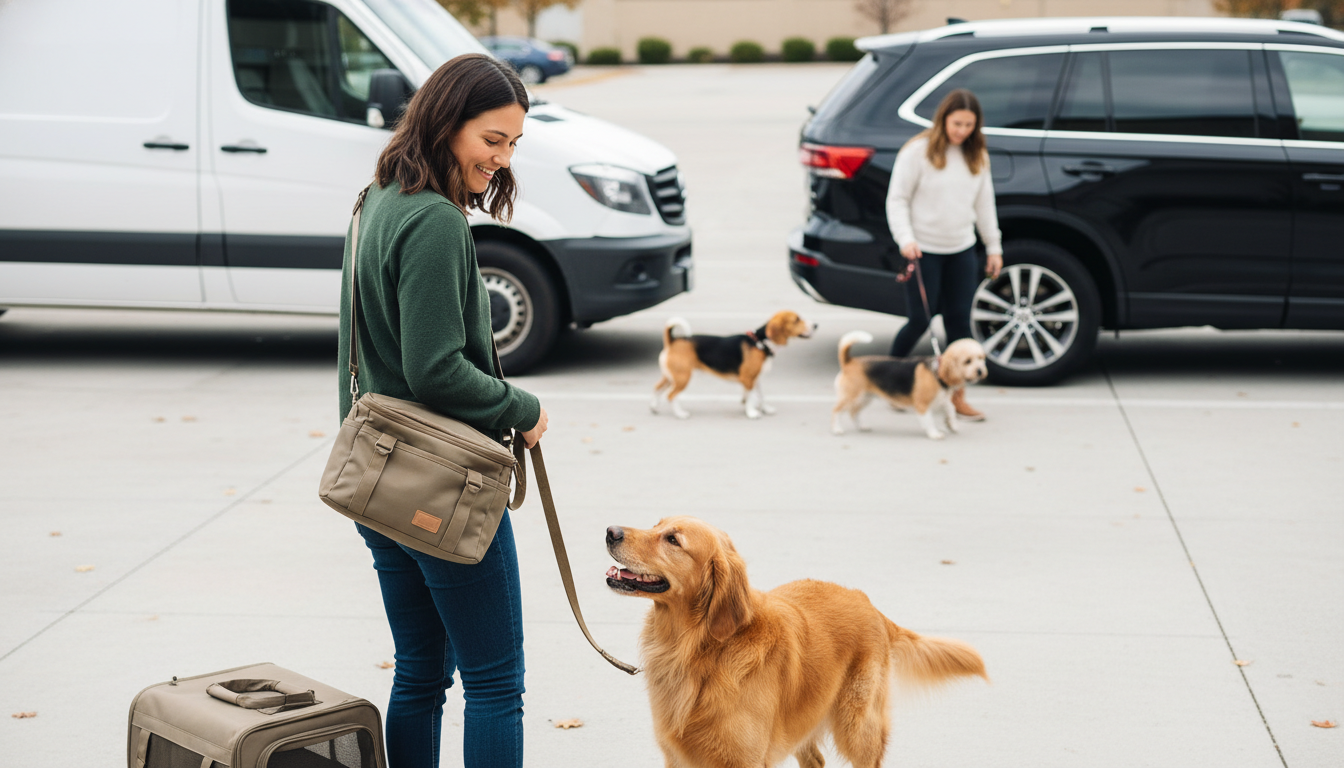
Rover can be a good fit if you want flexible, pet-centered work and you’re comfortable running your services like a small business. Sitters and walkers set their own availability, choose which requests to accept, and build a client base over time. For many pet lovers, the best part is getting paid to spend time with dogs (and sometimes cats), especially if you enjoy being active and meeting new pets.
The experience depends heavily on the services you offer—dog walking, drop-ins, boarding, or house sitting—and your local demand. Some people stay busy with repeat clients, while others see more seasonal swings. Expect a mix of easy bookings and more complex ones (special diets, anxious dogs, multiple pets, or detailed home-care instructions).
Common benefits include flexible scheduling, choosing clients that match your comfort level, and the potential to earn more as you gain reviews and repeat bookings. If you like creating routines—leash, treats, waste bags, keys, and backup supplies—Rover work can feel pleasantly structured and rewarding.
Rover takes a portion of your earnings, and income can be inconsistent, especially when you’re new. You may also spend time messaging, coordinating pickups, and handling last-minute changes. Safety matters too: meeting dogs for the first time, navigating unfamiliar neighborhoods, and managing leash manners can be physically demanding.
Start with clear boundaries: specify your service area, pet size preferences, and what you will/won’t handle. Do meet-and-greets when possible, keep notes on each pet’s routine, and stay organized on walks with hands-free storage for essentials. For a practical setup idea, check out this guide to a hands-free dog walking bag: https://kingwuff.com/blog/guide-red-rover-dog-walking-bag-hands-free-waist-pack/.
Reddit threads are mixed: many people like the flexibility and repeat clients, while others point to fees and inconsistent bookings. The most helpful posts usually share real numbers, local demand, and safety routines.