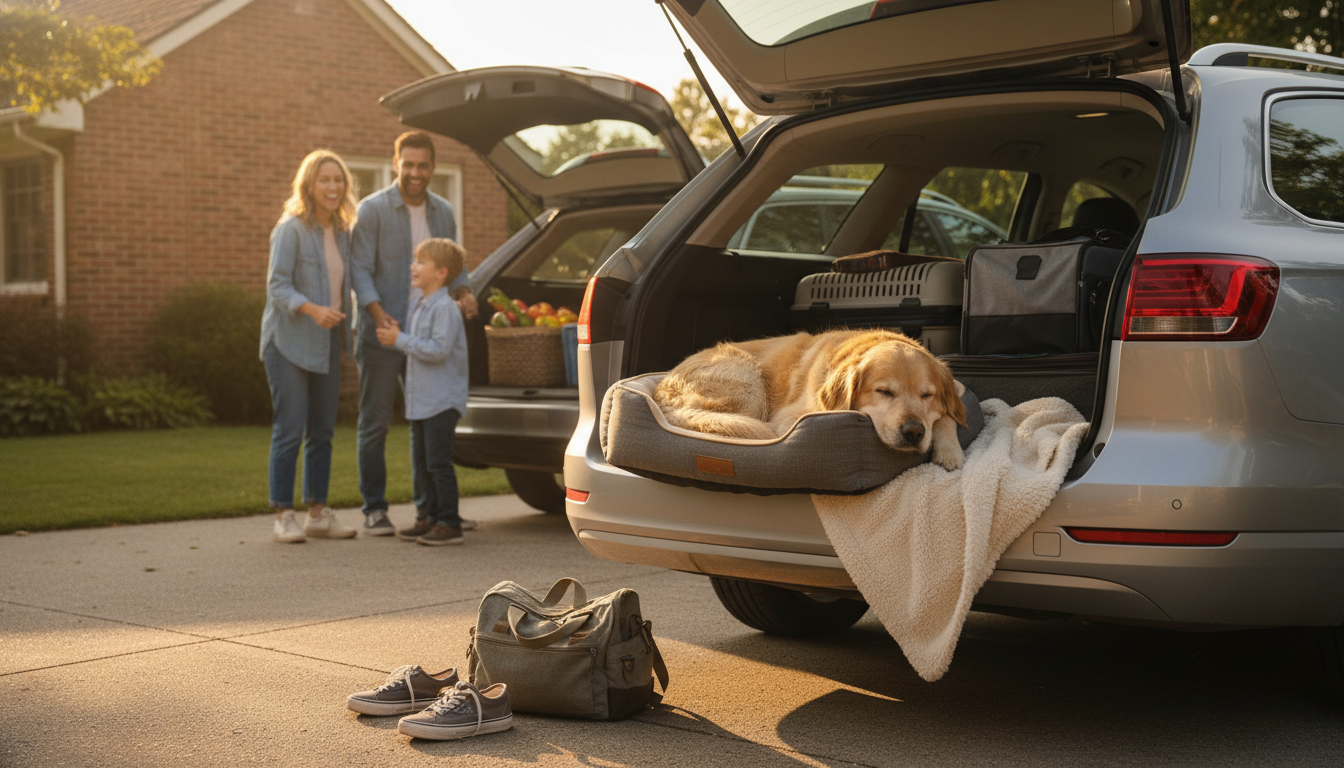
Not really—plenty of dog owners share their bed, and it’s a common topic online because people have strong opinions about sleep, boundaries, and hygiene. If it feels comforting to you and your dog sleeps well, it can be a sweet, cozy routine rather than “weird.” The more important question is whether it’s working for your household and your dog’s health and behavior.
For many dogs, sleeping near their person lowers stress, supports bonding, and can even help anxious pups settle faster. It may be especially helpful for dogs that are crate-trained but still like some closeness at night, or for older dogs who benefit from warmth and reassurance.
If your dog guards the bed, growls when moved, wakes you frequently, or has accidents, it’s okay to set a new sleep plan. Dogs with allergies, flea issues, skin infections, or heavy shedding may also do better with a dedicated sleep surface that’s easy to wash. And if anyone in the home is a light sleeper, consistent interruptions can add up quickly.
If you want closeness without the nighttime gymnastics, try placing a supportive dog bed right beside your bed. A washable, non-slip option helps keep things clean and stable—especially for puppies, seniors, and dogs that reposition a lot. For tips on choosing a comfy setup that’s easy to maintain, visit this guide to washable non-slip dog bed mattresses and plush pads.
Trim nails to reduce scratches, wash bedding regularly, and consider a blanket “zone” for your dog. Teach an “off” cue and make sure your dog has an inviting bed of their own so bed-sharing stays a choice, not a requirement.
It’s not automatically bad, but it can be a problem if it affects sleep quality, triggers guarding behaviors, or worsens allergy or hygiene issues. A nearby dog bed can offer closeness with fewer downsides.
Consider it once your dog is reliably house-trained, can settle calmly, and respects basic boundaries like getting off the bed when asked. If your dog is anxious or reactive, start with a bed next to yours and build good habits first.