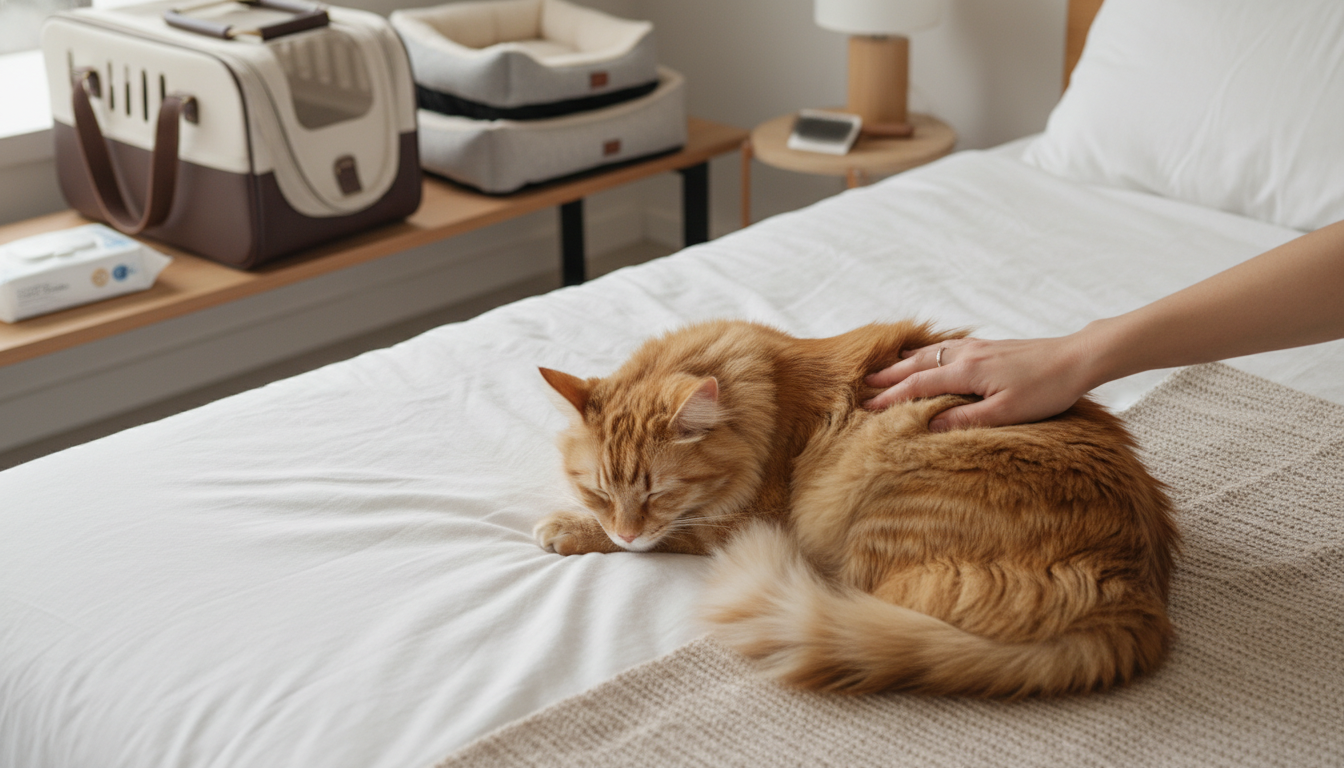
It can be unhygienic to have your cat on your bed, but it isn’t automatically “gross” or unsafe for everyone. The biggest concerns are what your cat brings into the sheets—litter dust, dander, loose fur, and occasional parasites like fleas or ticks. If your cat is healthy, kept indoors, and on a consistent preventive care routine, the hygiene risk is usually manageable with a few simple habits.
Cats are meticulous groomers, but that doesn’t mean they’re sterile. Paws can track tiny bits of litter or fecal bacteria, and coats can hold allergens and environmental debris. If your cat goes outdoors, hunts, or has contact with other animals, the odds of bringing something unwanted into bed increase. Fleas, ticks, and ringworm are less common in well-cared-for cats, yet they’re the main reasons hygiene can turn into a real problem.
A cozy compromise is setting clear “clean zones” while still letting your cat feel close. Helpful steps include:
Skip bed-sharing if your cat has fleas, diarrhea, a skin infection, or you’re dealing with significant allergies or asthma. Households with immunocompromised family members may also prefer a separate sleep spot for extra peace of mind.
If you’re building a cleaner, comfier sleep routine for pets at home, this guide on easy-care bedding is a helpful next step: https://kingwuff.com/blog/guide-washable-non-slip-dog-bed-mattress-plush-pad/.
Yes, it’s usually okay if your cat is healthy and on parasite prevention. Keeping bedding clean and managing litter tracking makes a big difference.
For most people, yes. If you have allergies, asthma, or a weakened immune system, a separate sleeping spot may be a better choice.
Not necessarily, but it can worsen allergies and increase exposure to fur, dander, and occasional germs. Good hygiene and routine vet care lower the risks.