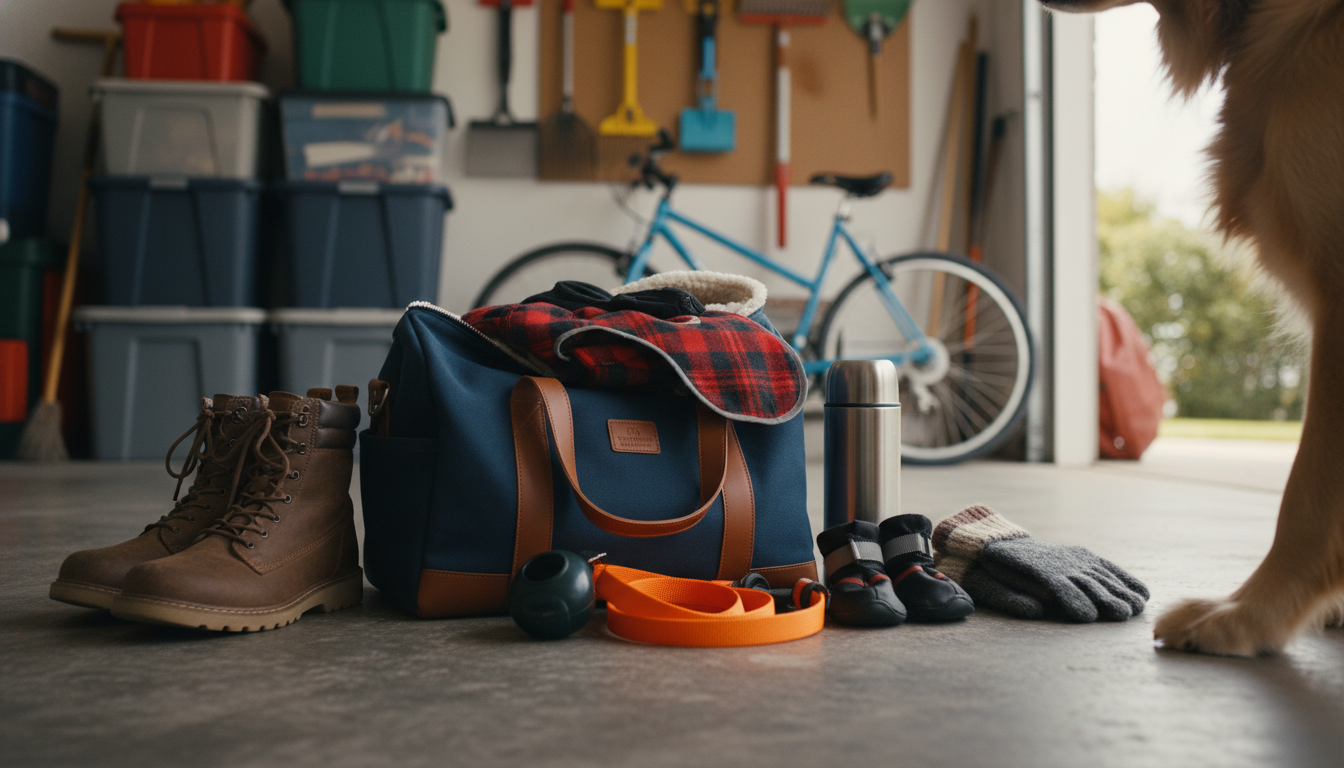
It depends on your dog’s size, coat, age, health, and what “cold” means where you live. Many healthy, adult dogs can handle a short walk in chilly weather, but cold becomes risky faster for small breeds, short-coated dogs, puppies, seniors, and dogs with heart or joint issues.
Above 45°F: Usually comfortable for most dogs, especially if it’s dry and not windy.
32–45°F: Often fine for many dogs, but watch for shivering in small or short-haired pups and keep walks shorter.
20–32°F: Use caution. Limit time outdoors, consider a coat/booties, and avoid long idle sniff breaks.
Below 20°F: High risk for many dogs. Stick to very short potty walks unless your dog is built for cold (thick coat, larger body) and stays happy and warm.
Turn back if you notice shivering, lifting paws, slowing down, whining, tucked tail, stiff movement, pale gums, or your dog trying to hide behind you. Cold stress can creep up quickly—especially with wind, wet snow, or ice.
Keep it shorter and more active, choose sunny routes, and avoid icy patches and salted sidewalks that can burn paws. Wipe paws afterward and check between toes for ice balls or cracking. For dogs that need extra help, a well-fitted jacket and protective booties can make a big difference.
Cold days are easier when essentials are within reach: treats to keep your dog moving, poop bags, a small towel for wet paws, and a backup layer if temperatures drop. For a hands-free way to carry walk gear and stay organized, see our guide to the Red Rover Dog Walking Bag hands-free waist pack.
It can be a good choice for many dogs if it fits their size and sleep style and uses supportive, washable materials. Look for a non-slip base, durable stitching, and enough cushioning—especially for seniors or larger breeds.