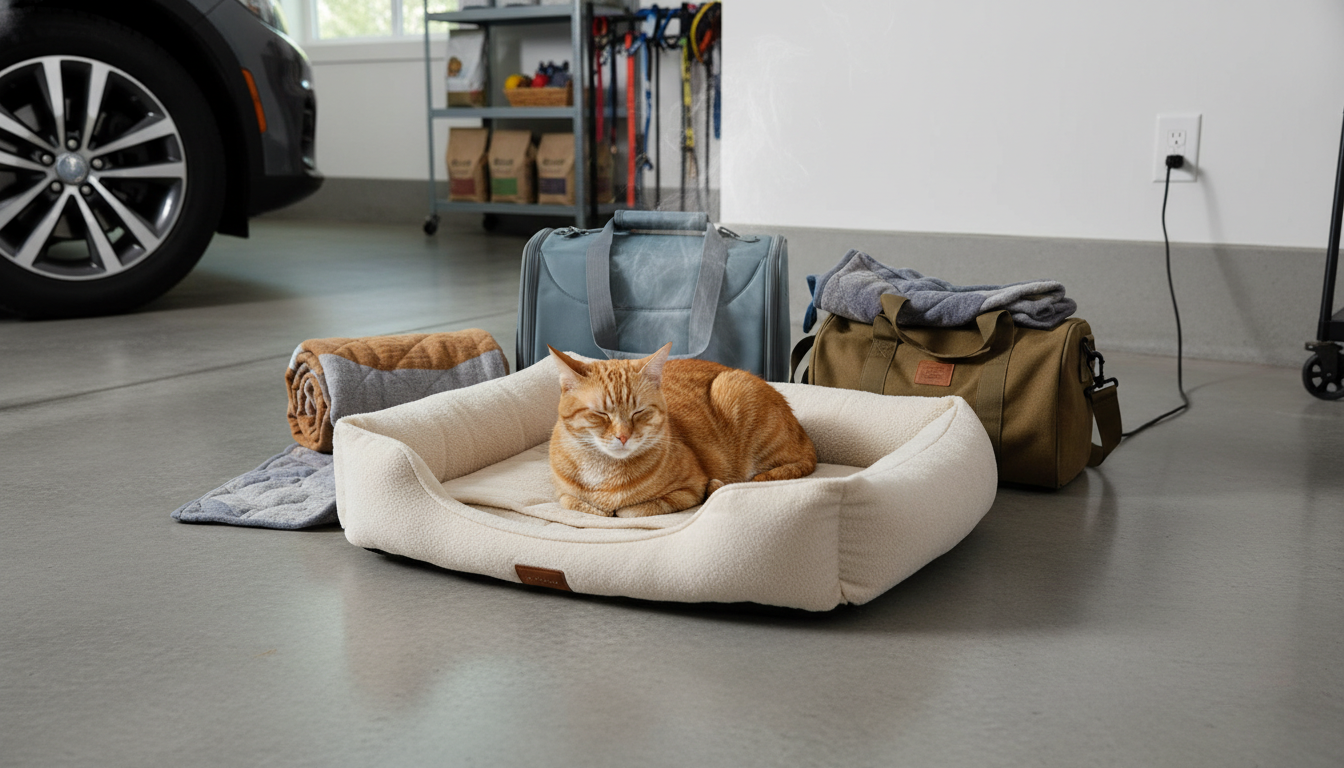
Yes—many cats can safely enjoy a heated blanket, as long as you use it carefully and keep the heat gentle. Cats love warmth, but they can overheat or get too warm without realizing it, especially if the blanket runs hot or stays on for long periods.
Start with the lowest heat setting and avoid high heat altogether. If your blanket has a timer, use it—short, supervised sessions are ideal. Always leave part of the blanket (or a nearby spot) unheated so your cat can move away easily if it gets too warm.
Skip the heated blanket if your cat is very young, elderly, pregnant, or has health issues that affect circulation, temperature regulation, or sensation. Also avoid heated blankets for cats who can’t move easily, since they may not reposition when they need to cool down.
Stop use right away if you notice panting, restlessness, drooling, rapid breathing, unusually warm ears/paws, or your cat repeatedly getting up and moving away. Those can be signs the heat is too much.
Use a well-maintained blanket with no frayed cords or damaged spots, and keep cords tucked safely out of chewing range. Heated throws made for people can work, but only with supervision and a low, steady warmth. Never fold the blanket while it’s on, since folding can trap heat and create hot areas.
If your goal is a warm, inviting nap spot without managing electrical heat, a plush, insulating bed can be a simpler option—especially for cats who like to curl up and burrow. For more cozy home-comfort ideas that translate well across pet sizes and sleep styles, see this guide: https://kingwuff.com/blog/guide-paw-pillow-round-dog-bed-small-dogs-puppies/.
Yes, most cats can use them safely with supervision, a low setting, and a clear cooler area to move to. Avoid high heat and long, unattended sessions.
They can be, but safety depends on low heat, good blanket condition, and supervision. Keep cords protected and never use a damaged blanket.
It can be okay if the blanket is on low with a timer, and your cat can easily move off the warm area. If your cat is senior or has medical concerns, check with your vet first.