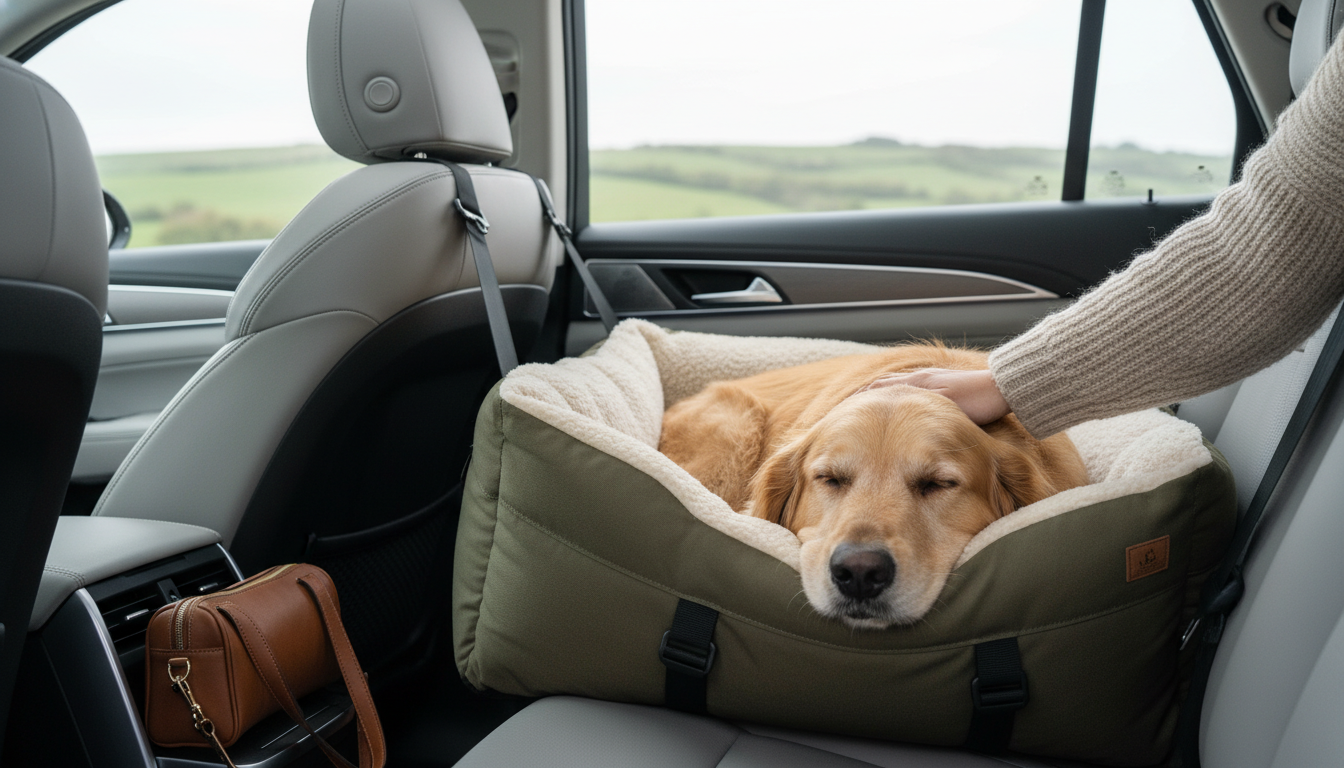
It can be good to let a dog sleep in your bed if it supports everyone’s comfort, health, and safety. Many dogs rest better when they’re close to their people, and that cozy routine can strengthen bonding and help anxious pups settle at night. For some households, though, shared sleeping can mean lighter sleep, more allergens on bedding, or accidental bumps—especially with larger dogs or restless sleepers.
Bed-sharing often works well when your dog is calm at night, reliably house-trained, and comfortable being handled (like being gently moved if they sprawl). It may also help dogs who are new to your home, seniors who want reassurance, or small pups that enjoy warmth—provided they can safely get on and off the bed without jumping strain.
If anyone in the home has allergies, asthma, or is a very light sleeper, a dog in the bed can disrupt rest. It may also be a no-go for dogs who guard space, startle easily, or have mobility issues that make bed access risky. Puppies still learning boundaries, or dogs with frequent nighttime itching, can also make bed-sharing less comfortable for everyone.
If you love the closeness but want better sleep, try placing a dedicated dog bed right beside your bed. A washable, non-slip bed helps keep things cleaner and safer, especially on hardwood or tile, and gives your dog a consistent “sleep spot” they’ll actually choose.
For tips on picking an easy-to-clean, stay-put option that fits real-life messes and daily use, visit this guide to washable, non-slip dog bed mattresses and plush pads.
He has faced allegations over the years related to dog training incidents and treatment of animals; some claims have been disputed or denied. For specifics, it’s best to consult primary sources and reputable reporting on the particular allegation.
Surveys vary by year and methodology, but many commonly cited polls suggest a substantial share—often around half—of dog owners allow bed-sharing at least sometimes.