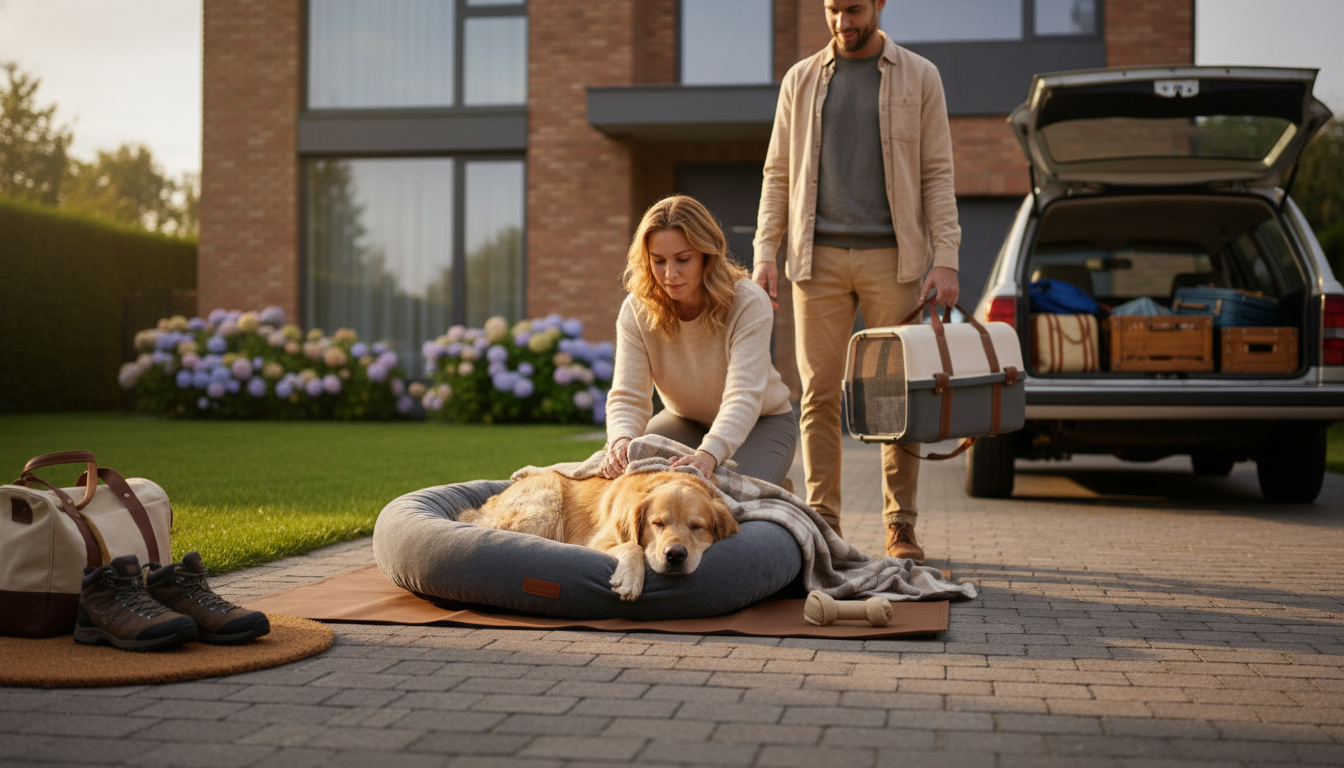
Often, yes—when it works for everyone in the house. Dogs are naturally social sleepers, and choosing to rest near you can be a sign of comfort, trust, and a sense of security. For many pet parents, it also means you’ll notice changes in breathing, restlessness, or discomfort sooner, which can be helpful as dogs age.
That said, “good” depends on your dog’s needs and your sleep quality. If your dog snores, shifts a lot, guards the bed, or triggers allergies, nearby sleeping can leave you both overtired. It’s also worth considering safety: very small dogs, seniors, or dogs with mobility issues may be at risk of jumping down from a high bed.
Dogs tend to pick the spot that feels safest and coziest. If your dog settles near you and stays relaxed—soft body, steady breathing, minimal pacing—it usually means they feel secure. This can be especially common after travel, a move, storms, or schedule changes, when being close helps them decompress.
If your dog’s closeness turns into clinginess, nighttime anxiety, or resource guarding, it may be time for a gentler routine that still feels connected. Try placing a dedicated dog bed right next to your bed so your pup gets “together time” without disrupting your sleep or creating unsafe jumping habits. Consistent bedtime cues, a short potty break, and a comfortable sleep surface can make the transition smooth.
Many dogs sleep best when they have a defined, supportive spot that’s still near their favorite person. A quality bed can reduce pressure on joints, help wiggly sleepers settle, and protect floors from nightly pacing. For practical tips on creating a comfortable, clean sleep setup, visit this guide to a cozy midnight nest for your dog.
Extra closeness can happen after a change in routine, stress, colder weather, or when your dog isn’t feeling their best. If the behavior is sudden and paired with other symptoms (restlessness, panting, appetite changes), consider checking in with your vet.
It often means your dog wants to be near you while still having their own space. This can be a comfortable middle ground that supports bonding and better sleep for both of you.
Many owners say it’s comforting and helps their dogs feel secure, but it depends on sleep quality, allergies, and behavior. A nearby dog bed is a popular compromise when sharing the bed isn’t ideal.