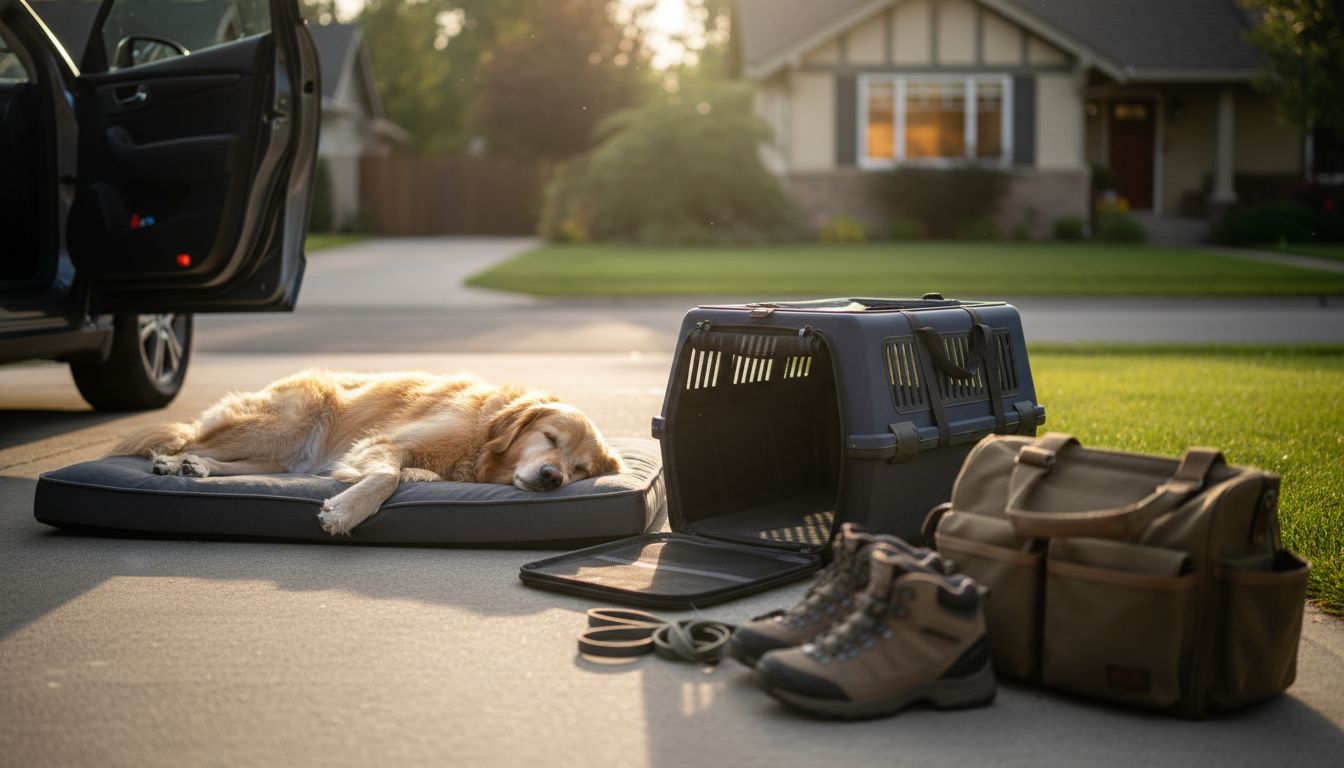
Yes—most of the time, a dog sleeping on their side is a great sign. This position typically means your dog feels safe, relaxed, and comfortable enough to let their muscles fully loosen. Many dogs choose side-sleeping during deeper rest because it’s less “ready to spring up” than curled or sphinx-style positions.
That said, every dog has preferences, and it’s normal for them to rotate positions throughout the day and night. Some dogs also sleep on their side when they’re warm and want to stretch out for airflow, while others do it simply because their bed feels supportive.
When a dog flops onto their side, their belly and chest are more exposed, which generally suggests trust in their environment. You’ll often see side-sleeping more in quiet homes, after exercise, or once a dog has settled into a routine.
If your dog regularly sleeps on their side and wakes up easily, moves normally, and seems bright and happy, it’s usually just their cozy default.
Side-sleeping alone isn’t a red flag, but watch for changes. If your dog suddenly can’t get comfortable, seems stiff getting up, pants heavily at rest, or avoids certain positions they used to love, it can point to joint discomfort, overheating, or stress. Older dogs and breeds prone to hip or spine issues may benefit from extra cushioning and support.
A supportive bed helps dogs relax into side-sleeping without pressure on hips, shoulders, and spine. Look for durable materials, a stable base, and a shape that matches your dog’s style—some dogs love an open, plush surface, while others prefer a cozy cave feel for warmth and security.
For a deeper guide on choosing the right setup, visit this dog bed guide.
Yes. Side-sleeping is commonly associated with relaxation and comfort, especially when your dog can fully stretch out and rest deeply.
Often, yes. Many dogs choose this position when they feel safe and at ease, though it’s normal for them to switch positions during sleep.
Most dogs sleep best in a quiet, draft-free spot where they feel secure, on a bed that supports their body and matches their preferred warmth and “nesting” style.