Sleeping with your dog in bed isn’t automatically “bad”—for many people, it’s comforting and can strengthen the bond. The best choice depends on health, hygiene, sleep quality, and your dog’s behavior. If everyone sleeps well and you can keep things clean, bed-sharing can be perfectly fine. If it disrupts rest, triggers allergies, or encourages guarding or anxiety, it may be better to set up a cozy alternative right beside your bed.
It can be a downside if anyone in the household has allergies or asthma, if your dog tracks in dirt or outdoor allergens, or if you’re immunocompromised. Light sleepers may also struggle with shifting, scratching, or nighttime movement. Some dogs become possessive of “their spot,” which can lead to growling or resource guarding—especially when partners or kids enter the bed.
If you do share your bed, a few habits can make it feel cleaner and calmer. Keep your dog on regular flea/tick and deworming prevention, and stay current on vet visits. Wipe paws after walks, brush regularly, and wash bedding frequently. It also helps to set boundaries—like “off” and “place”—so your dog can settle without pushing or pacing.
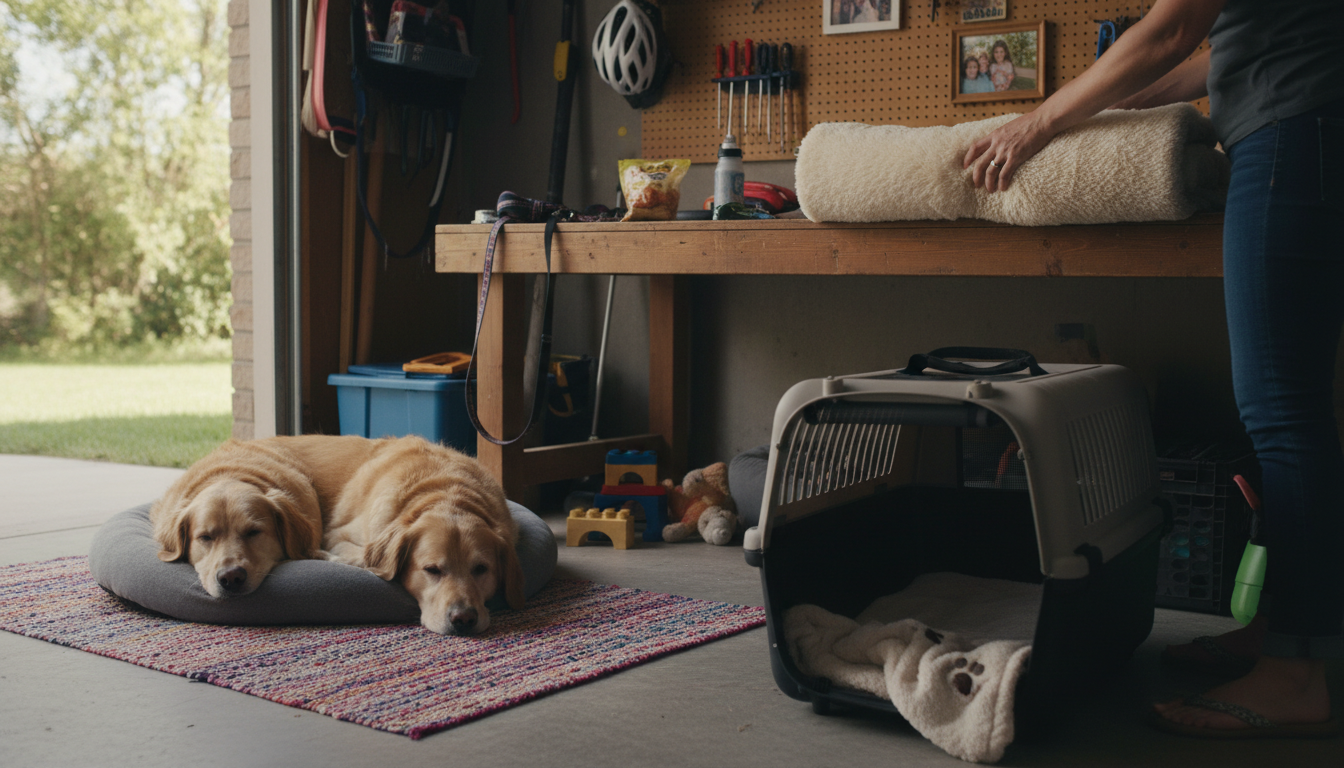
If bed-sharing isn’t working (or you want a cleaner setup), placing a supportive dog bed next to your bed gives your pup closeness without crowding your sleep space. Look for a bed that’s easy to wash, stays put on hard floors, and has enough cushion for nightly comfort. For tips on choosing a practical, washable option, visit this guide to washable, non-slip dog bed mattresses and plush pads.
It’s possible but uncommon with a healthy dog and good hygiene. Keeping up with parasite prevention, routine vet care, and clean bedding greatly reduces the risk.
Opinions vary widely—some people sleep better with their dog, while others notice allergies, mess, or disrupted sleep. The best answer is the one that fits your health, sleep quality, and your dog’s behavior.