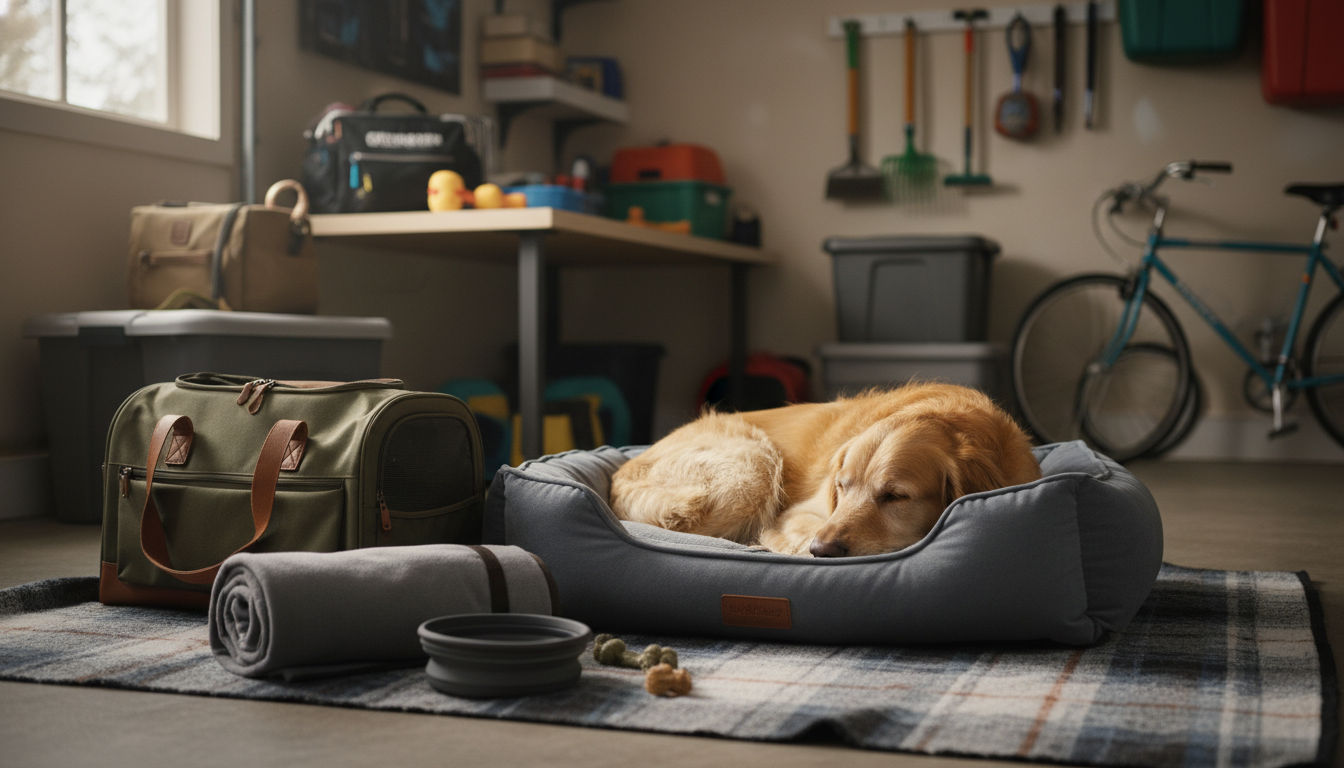
Not necessarily. Letting your dog sleep with you can be perfectly fine—and for many people it’s a cozy, bonding routine. The “right” choice depends on your dog’s health and behavior, your sleep quality, and a few practical safety and cleanliness details.
Many dogs relax when they’re close to their person, which can reduce nighttime restlessness. Some owners sleep better with the comfort of a familiar presence nearby. If your dog is calm, house-trained, and doesn’t guard the bed, co-sleeping can be a warm, reassuring habit.
If you wake up often from scratching, shifting, or snoring, your sleep may suffer—especially with light sleepers. Allergies and asthma can also flare from dander, pollen, and dust your dog brings in. It may be a no-go if your dog has fleas, a skin infection, diarrhea, or is recovering from surgery.
Behavior can be another factor. Some dogs get possessive of the bed, growl when moved, or become pushy at bedtime. That’s not “your fault,” but it’s a sign to reset boundaries and create a predictable sleep setup.
Keep nails trimmed, stay consistent with parasite prevention, and wipe paws after late walks. Wash bedding regularly, and consider a designated spot—like a supportive dog bed beside (or at the foot of) your bed—so your dog still feels close without crowding you. Puppies and seniors often rest best on a stable, easy-to-step-into surface rather than jumping on and off tall mattresses.
If you’re building a cleaner, cozier nighttime routine, this guide to choosing a comfortable, easy-to-clean dog bed can help: https://kingwuff.com/blog/guide-midnight-nest-dog-bed-cozy-clean-sleek-comfort/
Opinions vary widely, but the practical concerns are consistent: sleep disruption, allergies, hygiene, and any guarding behavior. If none of those are issues for your household, co-sleeping is often fine.
It’s commonly a comfort and trust position—your dog feels safe enough to relax while keeping an eye (and nose) on what’s happening around them. Sometimes it’s also just temperature and personal preference.
It doesn’t automatically cause problems, but it can amplify existing ones like resource guarding or clinginess. Clear bedtime rules and a consistent sleep spot can prevent most issues.