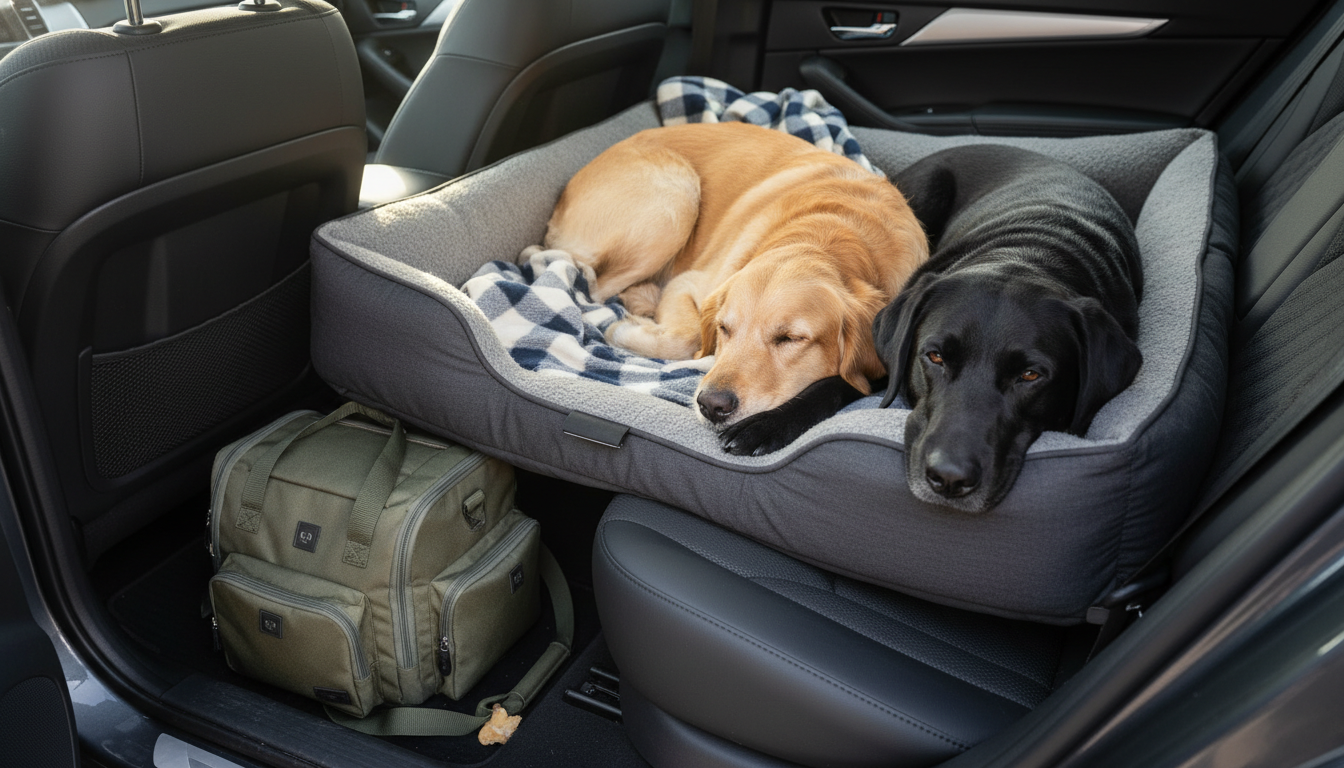
Not necessarily. Letting your dog sleep with you can be a cozy, bonding routine, and many dogs (and people) rest better with the reassurance of being close. That said, it can be “bad” in certain situations—mostly depending on health, hygiene, sleep quality, and your dog’s behavior.
If everyone sleeps well and your dog is healthy, well-groomed, and calm at night, sharing a bed can feel comforting and reduce stress for both of you. It can also help some dogs settle, especially during changes like moving, travel, or new schedules.
It may be a poor choice if you have allergies, asthma, a compromised immune system, or if you’re a light sleeper who wakes up to movement. Dogs that guard the bed, growl when moved, or show anxiety when separated can also develop habits that are harder to manage over time. Puppies and seniors may have nighttime accidents or need more frequent bathroom breaks, which can disrupt sleep and cleanliness.
If you like the closeness but want cleaner, more consistent sleep, place a dedicated dog bed next to your bed. It gives your pup a clear “home base” while keeping your sheets cleaner and preserving your personal space. For tips on creating a comfortable, easy-to-clean setup, visit this guide to a cozy midnight nest dog bed.
Keep nails trimmed, stay on flea/tick prevention, wipe paws after walks, and wash bedding regularly. Teach “off” and “place” so your dog can comfortably switch to their own bed when needed—especially during illness, travel, or guests.
It can be an issue if it disrupts sleep, worsens allergies, or encourages guarding or clingy behaviors. It’s also harder to keep bedding clean if your dog tracks in dirt or has shedding and dander.
It can be if your dog isn’t regularly groomed or protected from fleas/ticks, or if paws aren’t cleaned after outdoor time. Good hygiene routines make a big difference.
Opinions vary widely, but most advice comes down to the same factors: health concerns, sleep quality, cleanliness, and whether your dog shows problem behaviors around the bed.