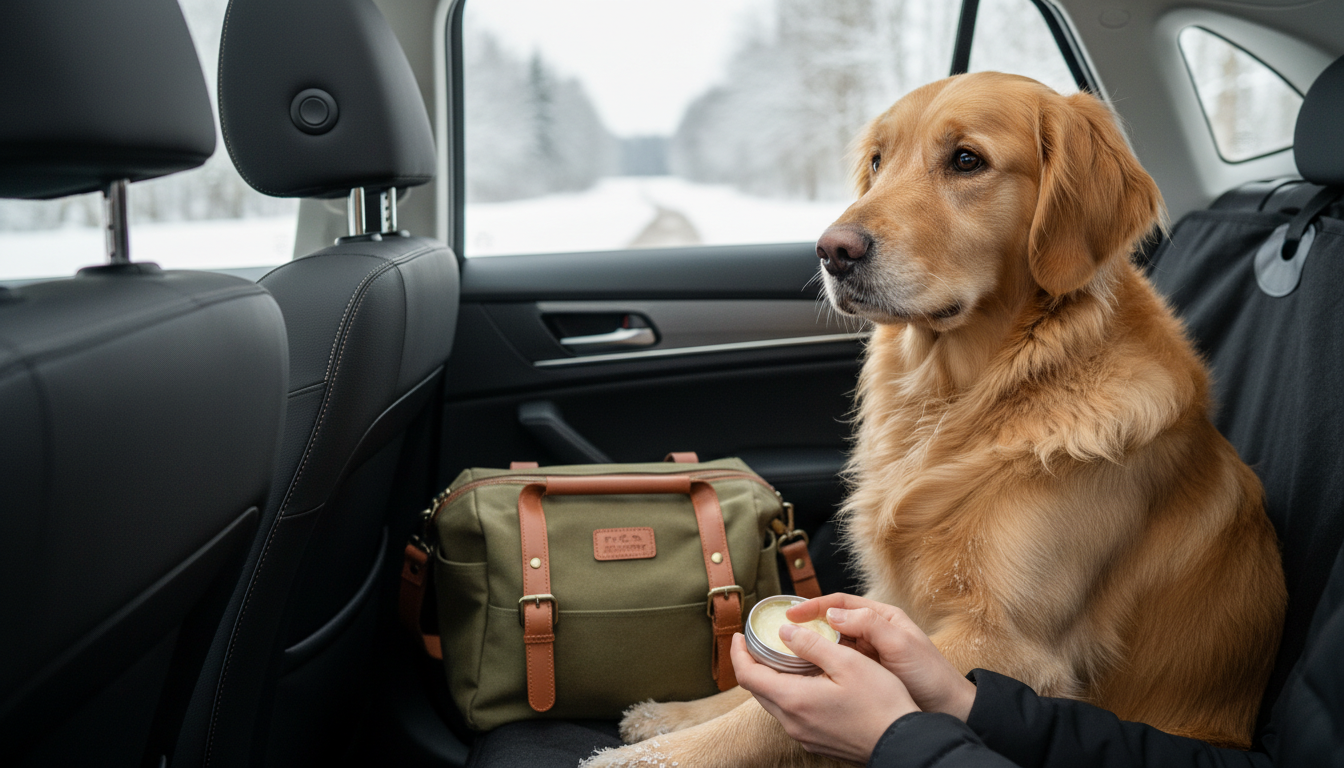
It can be—depending on the temperature, the surface your dog is walking on, and how long they’re outside. Cold air alone isn’t always the problem; icy sidewalks, snow crust, and winter road salt can irritate paw pads fast. Some dogs handle chilly walks well, while smaller, short-haired, senior, and very young dogs often need extra protection.
In winter, paw pads can dry out and crack, making every step uncomfortable. Ice can also pack between toes and around the nails, tugging at fur and creating painful “snowballs.” On top of that, de-icing salts and chemical melts can sting, cause redness, and may upset your dog’s stomach if licked off later.
Watch for limping, frequent paw lifting, sudden slowing down, licking or chewing at feet, or refusing to walk. Visible clues include redness, raw spots, bleeding cracks, or ice stuck between toes. If you notice these, head indoors, rinse paws with lukewarm water, and dry thoroughly.
Keep walks shorter when temperatures drop, especially on icy or salted routes. Dog booties offer the most reliable barrier from ice and chemicals; if your dog is new to them, start with brief indoor practice. A pet-safe paw balm can help reduce dryness and provide a light protective layer (it’s not a substitute for booties on heavily salted streets).
After every winter walk, wipe or rinse paws to remove salt and grit, then dry well—moisture trapped between toes can worsen irritation. For a smoother, more organized walk (treats, wipes, and booties all in one place), take a look at this hands-free walking setup: https://kingwuff.com/blog/guide-red-rover-dog-walking-bag-hands-free-waist-pack/.
Many dogs start struggling around freezing, especially on ice or salted pavement. If the ground feels painfully cold to your hand after a few seconds, it’s a good signal to shorten the walk or use booties.
Yes. Cold can dry and crack paw pads, ice can irritate skin between toes, and road salt can cause stinging and inflammation.
A thin layer can help reduce dryness, but it’s slippery and doesn’t block salt or ice well. A pet-safe paw balm is usually a better choice, and booties are best for harsh conditions.