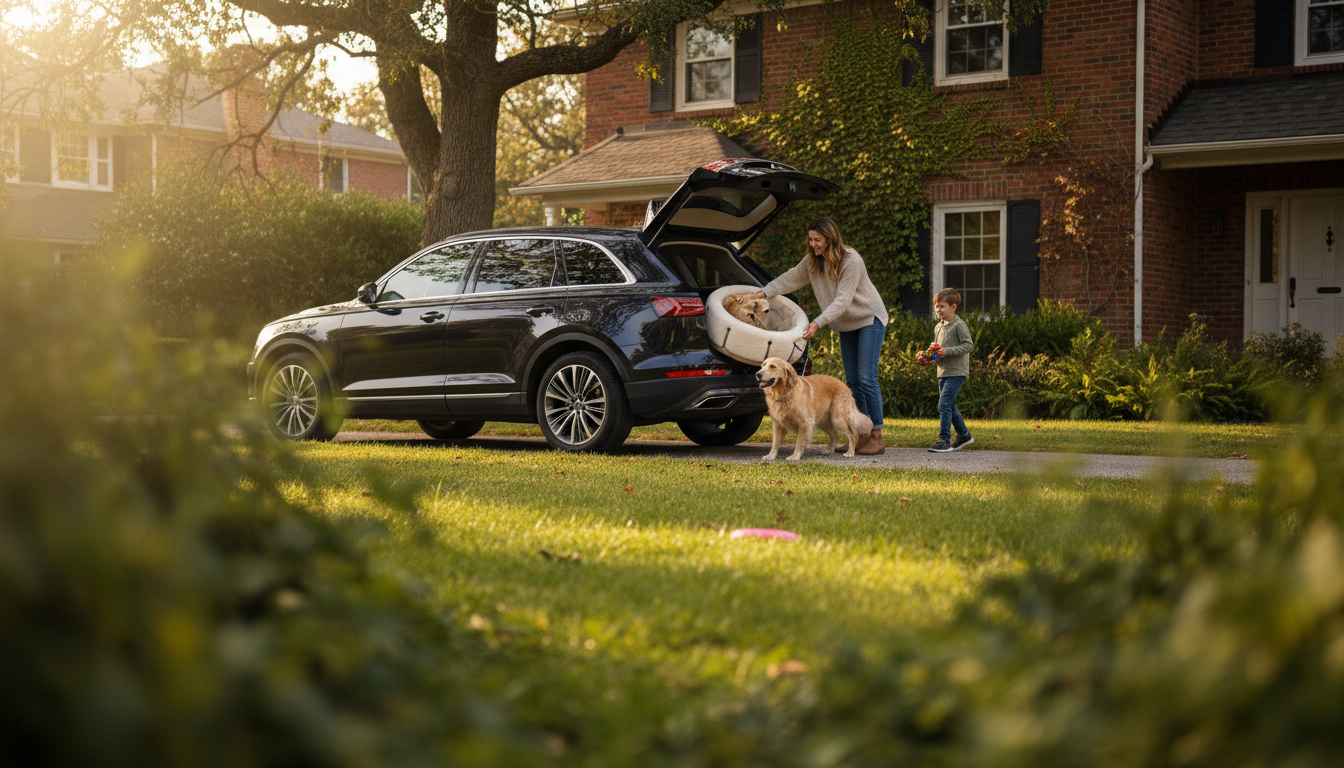
A Sleepypod can be safe for car travel when it’s used exactly as the manufacturer intends and your pet fits the carrier’s sizing and weight guidelines. Safety comes down to three things: crash protection features, correct installation with a seat belt (or approved restraint system), and how comfortably your dog can sit, turn, and breathe during the ride.
Look for clear crash-test information (not just “crash tested” claims), a sturdy structure that holds its shape, and secure attachment points that keep the carrier from shifting. For most pets, the safest placement is the back seat—properly buckled in—so the carrier stays stable during sudden stops. Avoid the front passenger seat because airbags can be dangerous for pets in a carrier.
Fit matters just as much as the carrier itself. Your dog should be able to sit and lie down naturally without being cramped, but not have so much extra space that they’re tossed around if you brake. A snug, supportive base and a calm, den-like interior help reduce sliding and stress, especially on longer drives.
Before any road trip, do a quick “car check”: confirm the belt path is routed correctly, pull the seat belt tight so the carrier doesn’t tip, and double-check all zippers and latches. For anxious pups, practice with short drives first so the carrier becomes a familiar, cozy place.
If you’re comparing travel options (carriers, dog car seats, and soft-sided bags), this guide is a helpful next step: Puff Puppy Dog Car Seat & Carrier Bag Guide.
Only sedate your dog if your veterinarian recommends it for your dog’s specific health needs. Some sedatives can affect breathing, balance, and temperature regulation, which can be risky during travel.
Breathability depends on the model’s ventilation panels and how the carrier is positioned in the car. Make sure airflow isn’t blocked by blankets, coats, or the seat, and keep the cabin temperature comfortable.