A 2 hour walk can be great for some dogs, but it’s not automatically the “right” length for every pup. The best walk is the one that matches your dog’s age, breed, fitness, and the day’s weather—while keeping them comfortable, safe, and happily engaged.
Many healthy adult dogs with solid endurance (often working, sporting, and herding breeds) can enjoy a two-hour outing—especially when it’s broken up with sniff breaks, water, and a relaxed pace. It can be a wonderful way to meet exercise needs and provide mental enrichment through exploring new scents and environments.
Puppies, senior dogs, and dogs with short snouts, joint concerns, or heart/respiratory issues may struggle with a long walk. Hot pavement, humidity, and cold snaps can also turn a long stroll into a risky one. Watch for signs like lagging behind, heavy panting that doesn’t improve with rest, limping, glazed eyes, or refusing to move—those mean it’s time to stop and recover.
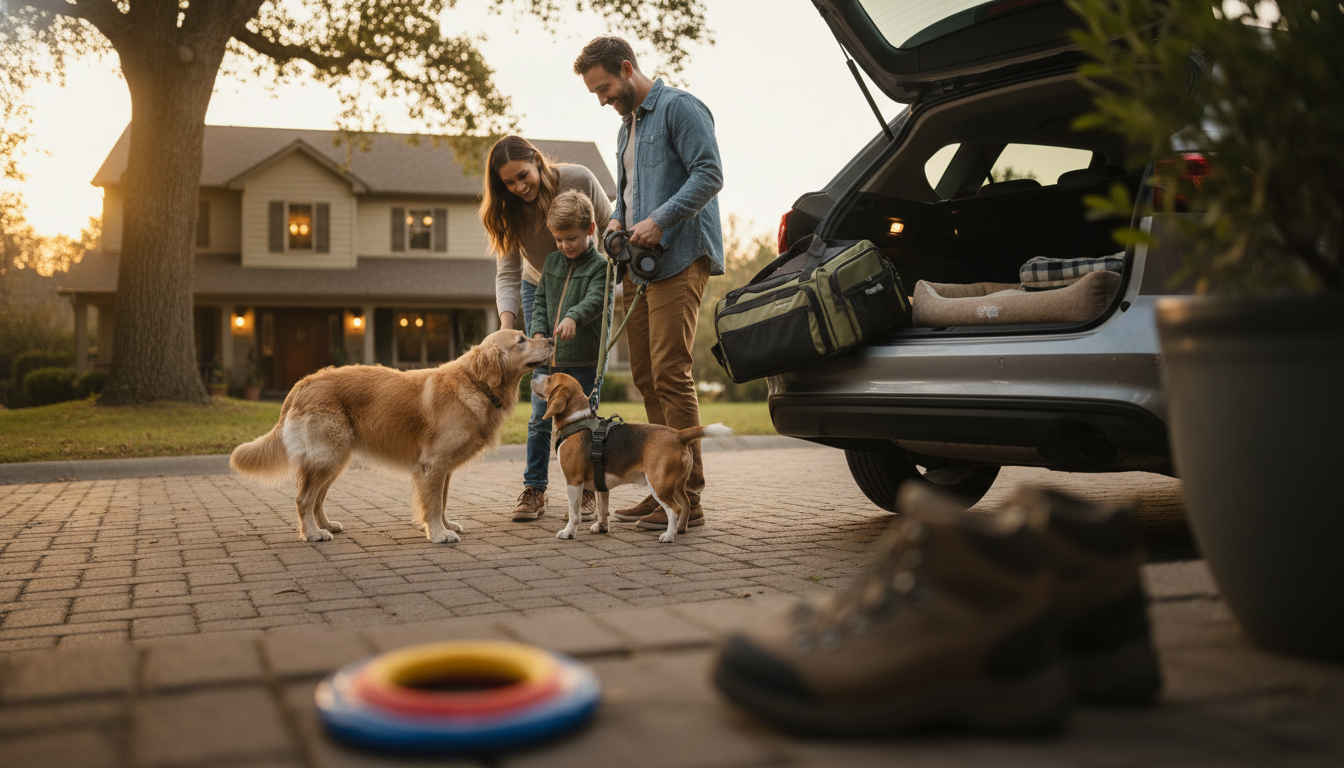
For longer routes, plan like you’re packing for a mini adventure: bring water, treats, waste bags, and any essentials you rely on for an organized, hands-free walk. A well-designed dog walking bag can keep everything easy to reach so you can focus on your dog instead of juggling gear. For practical tips on staying organized while you’re out and about, visit this guide to the Beige Rover Dog Walking Bag.
If your dog finishes the walk bright-eyed, hydrated, and moving comfortably later that day and the next morning, you’re likely in a good range. If recovery takes a long time or soreness shows up, shorten the duration, add more rest breaks, or split exercise into two shorter walks.
For many adult dogs, 30–60 minutes per day is a solid baseline, often split into two walks. The best duration depends on energy level, age, health, and the weather.
Most adult dogs do well with 3–5 potty breaks a day, while puppies may need more frequent trips. Longer walks usually include multiple chances to sniff and relieve themselves.
Yes—regular walking helps maintain muscle tone and joint mobility, supporting leg strength over time. Gradual increases and consistent pacing are safer than sudden long distances.