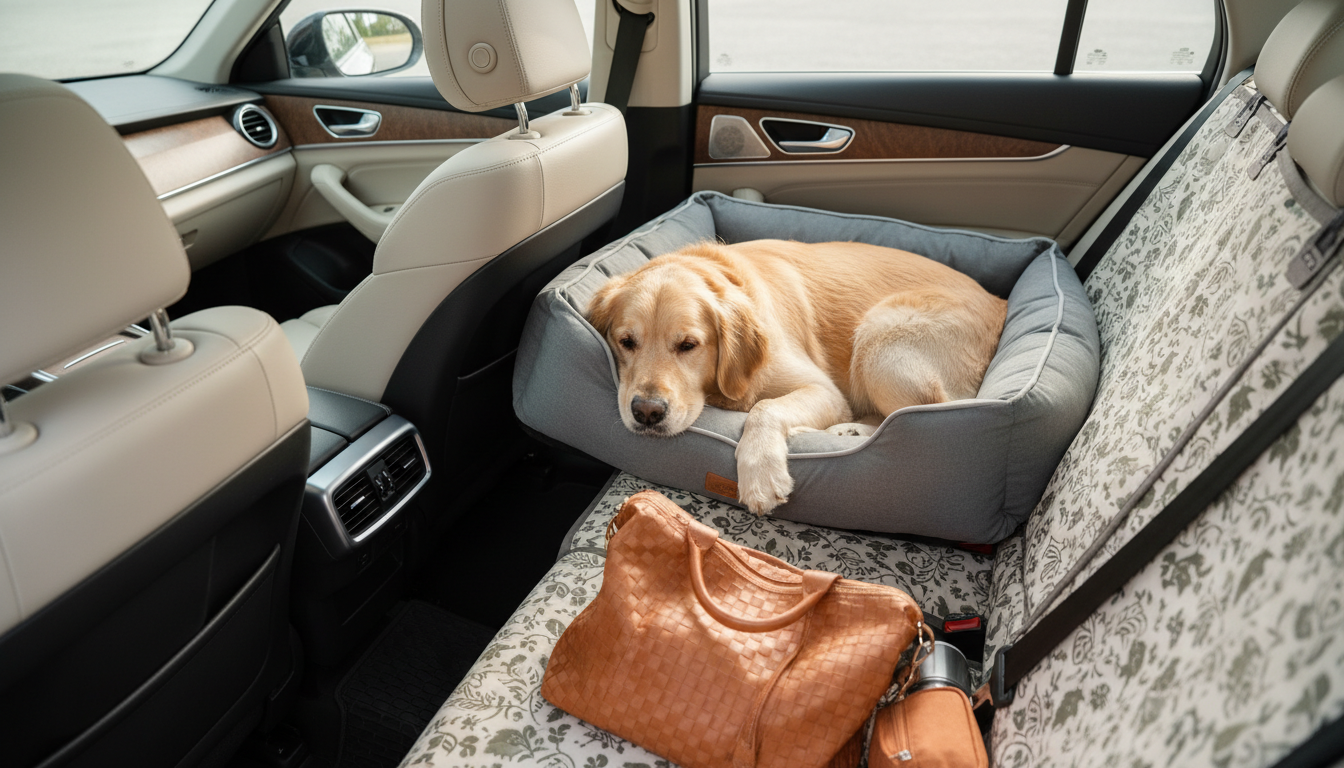
For most healthy dogs, a 10 minute car ride can be a good thing—especially when it’s calm, comfortable, and safely set up. Short drives help many dogs get used to the sights, sounds, and motion of the car without being overwhelmed. For dogs that love outings, it can also be a quick mood boost: new smells, a change of scenery, and quality time together.
That said, “good” depends on your dog’s comfort level. Some dogs feel anxious, get carsick, or struggle with slipping around on seats. In those cases, even a brief ride can be stressful unless you make a few adjustments.
A 10 minute ride is often ideal for puppies in training, newly adopted dogs, and dogs that are slowly learning that the car isn’t scary. It’s long enough to practice calm behavior—settling, staying seated, and relaxing—without turning into a marathon. It’s also a practical distance for quick errands, vet trips, or heading to a nearby park.
If your dog drools heavily, pants nonstop, whines, vomits, or tries to climb into the front seat, the ride may be too intense. Some dogs also associate the car with unpleasant destinations (like the vet), which can create stress even on short trips. If these signs show up, take a step back: shorter rides, gentler starts and stops, and a more secure setup can help.
Safety and stability usually make the biggest difference. Secure your dog so they can’t roam the cabin, and give them a supported spot to sit or lie down. Many small and medium dogs do best in a well-fitted dog car seat or carrier that keeps them contained and comfortable while still letting them see you. Bring a familiar blanket, keep the car cool, and avoid feeding a full meal right before driving.
For a step-by-step guide to setting up a safer, more comfortable ride, visit this dog car seat and carrier guide.
It can help your dog practice riding calmly, build confidence with travel, and provide a quick change of scenery. For anxious or carsick dogs, it may trigger stress unless they’re secured and gradually conditioned.