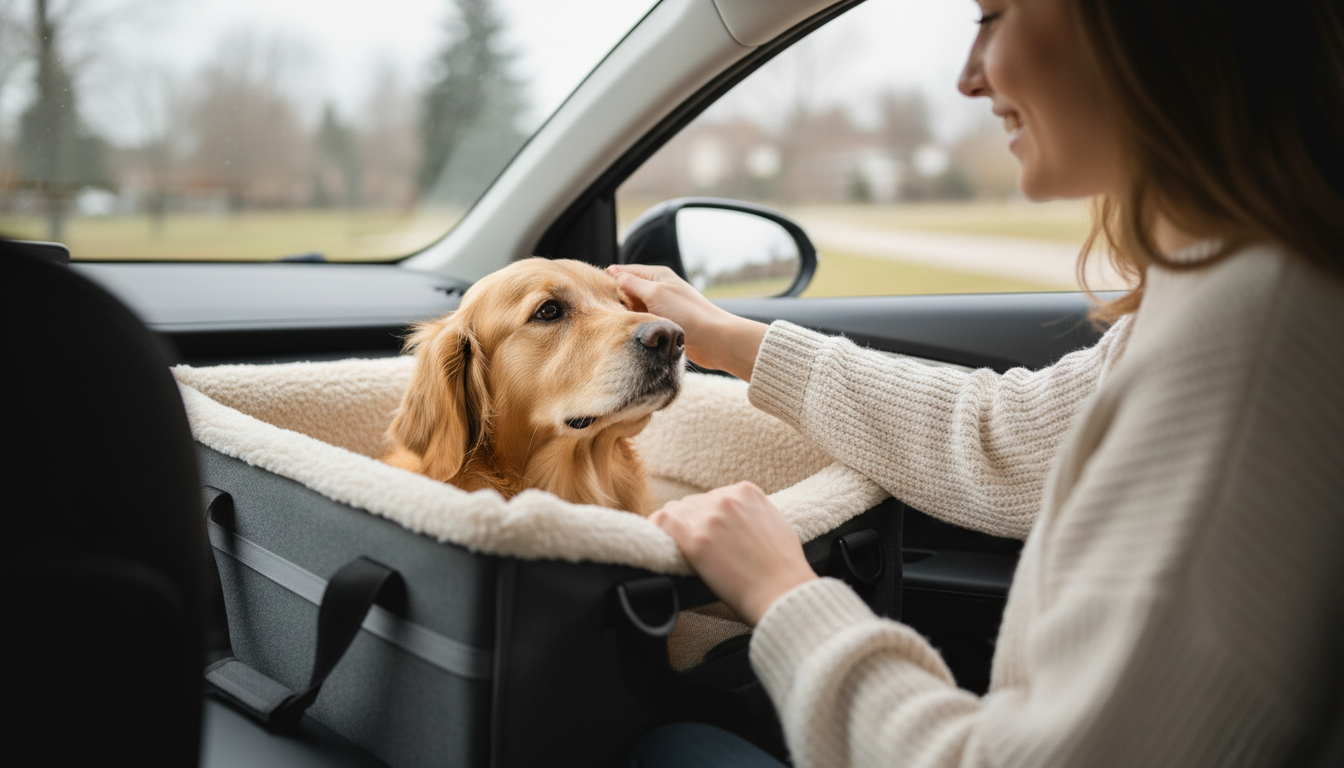
The idea of being “the alpha” can be misleading—most modern trainers focus on trust, consistency, and clear boundaries instead of dominance. Still, dogs do show everyday signs that they see you as a steady, reliable leader and safe home base.
They check in with you on walks or in new places—glancing back, returning to your side, or waiting for your cue before moving forward. At home, you may notice your dog pausing when you enter a room, watching what you do next, or following your routine calmly.
They respond to simple cues (sit, come, leave it) even when something exciting is happening. That reliability usually comes from consistent training and a strong relationship, not intimidation.
They relax around you. A dog who trusts you will choose to settle nearby, nap deeply, and recover quickly after being startled. You may also see “soft” body language—loose posture, neutral tail, and easy breathing.
They share space politely. Instead of guarding doorways, crowding you, or demanding attention nonstop, they can handle waiting their turn and respecting boundaries (like stepping off furniture when asked).
If your dog regularly ignores recalls, guards food/toys, pushes through doors, or gets anxious when you move around, that’s usually a sign to add clarity: predictable routines, positive-reinforcement training, and more enrichment. Calm, comfortable rest also helps dogs regulate their behavior—especially after active days.
Dogs make better choices when they’re well-rested and feel safe. If you’re setting up a reliable “place” command or encouraging calmer downtime, a supportive, easy-to-clean bed can make that routine smoother. For tips on choosing a comfy, stable sleep spot, visit this guide to washable, non-slip dog bed comfort.
Your dog checks in with you, responds to cues, and settles calmly around you. Those are signs of trust and guidance rather than dominance.
Look for reliable listening, relaxed body language, and polite boundaries at home. If your dog often seeks your direction, they likely see you as their secure leader.
A dog who views you as a dependable leader tends to follow routines, accept handling, and recover quickly from stress. Training consistency and a calm environment usually drive these behaviors.