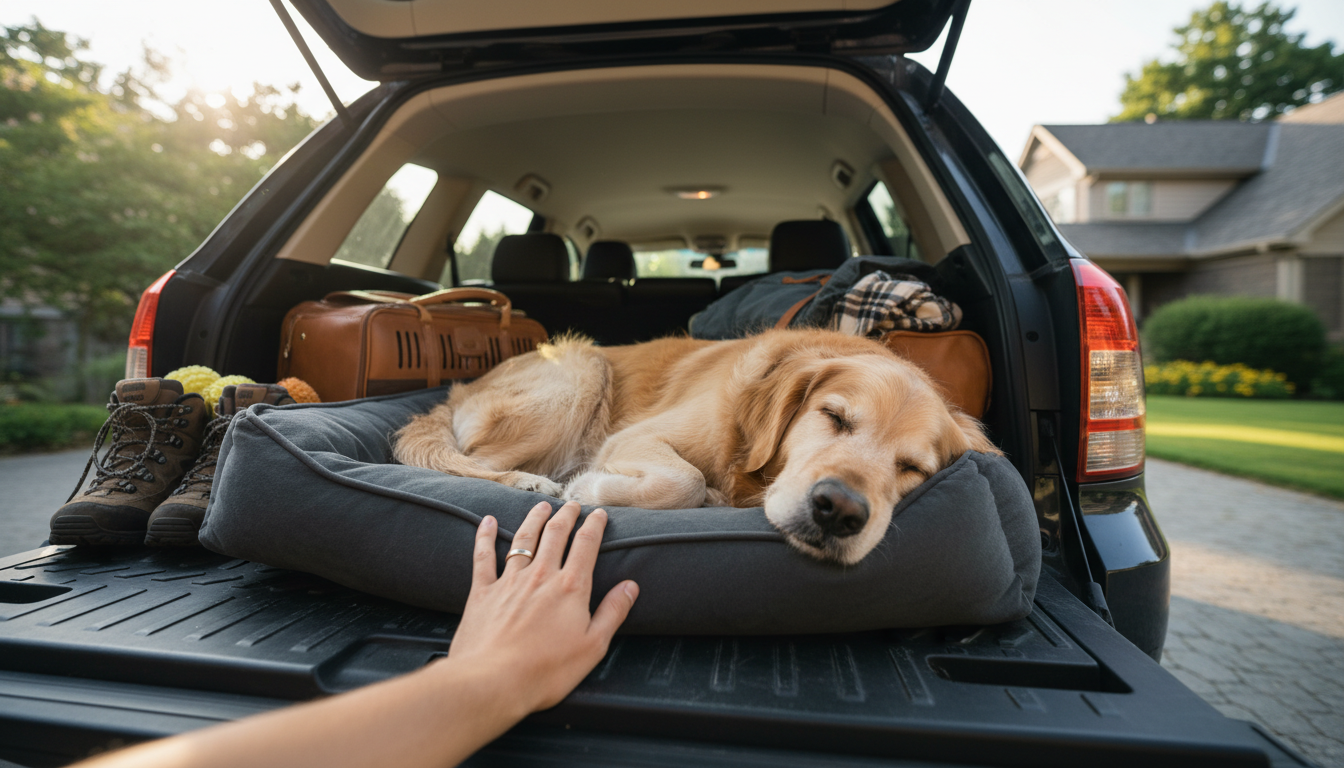
Sleep is when dogs drop their guard, so their bedtime habits can quietly show how safe they feel with you. A trusting dog doesn’t just get tired near you—they choose positions and routines that signal comfort, security, and ease in your home.
They sleep on their side or back. Exposing the belly and chest is a vulnerable position. If your dog regularly flops onto their side or rolls belly-up, it’s a strong sign they feel protected.
They choose to nap close by (without being clingy). A dog who trusts you may settle a few feet away, in the same room, or at the foot of the bed. That “near but relaxed” choice often reflects confidence and calm.
They stay asleep when you move around. If you get up, shift on the couch, or walk past and your dog barely lifts their head, they’re showing they don’t expect anything scary from you.
Soft face, loose body, slow breathing. Relaxed jaw, unfurrowed brow, and steady breathing point to deep rest. Some dogs may even twitch or quietly “run” in dream sleep—another clue they feel safe enough to fully doze off.
They accept gentle bedtime routines. Trust can look like letting you adjust a blanket, wipe paws, or guide them into their bed without tension. Calm cooperation around sleep is a big green flag.
Keep nights predictable: a final potty break, a quiet wind-down, and a dedicated sleeping spot. A supportive, easy-to-clean bed placed away from drafts and high-traffic areas can help your dog relax faster and stay asleep longer. For cozy setup ideas, visit this guide to creating a clean, comfortable dog-bed routine.
Look for relaxed positions (side or belly-up), steady breathing, and staying asleep through normal household noises. Choosing to sleep near you or in the same room is also a common sign of trust.
Signs can include restlessness at night, sleeping far away, startling awake easily, or guarding their space. Sudden changes can also be stress- or health-related, so consider environment shifts and talk to a vet if it persists.
Often, yes—sleeping near you can mean your dog feels safe and comfortable. Some dogs also do this for warmth or habit, so pair it with other relaxed-body signs for a clearer read.