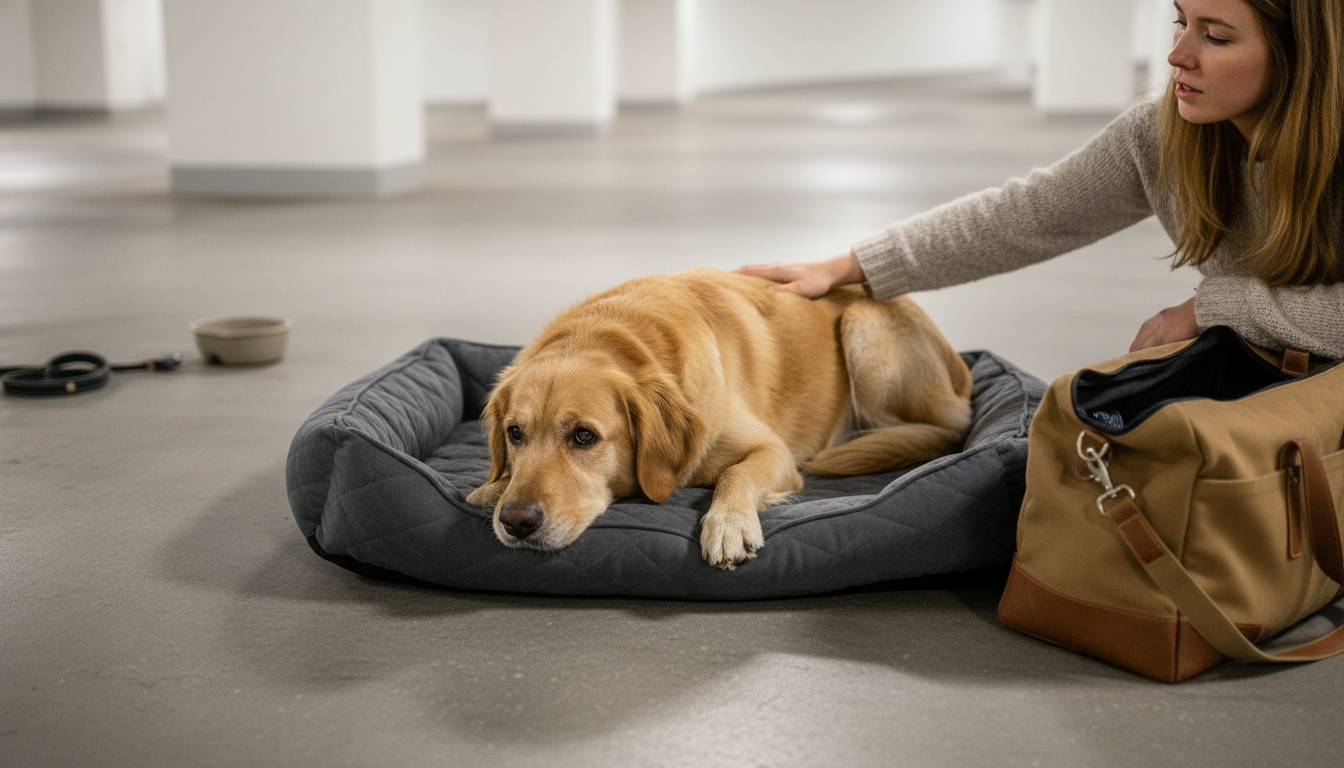
Most dogs don’t “announce” when they feel off—they simply change their routine. A dog that’s unwell may seem quieter, less interested in play, or unusually clingy. You might notice appetite changes, more sleeping than normal, or a different posture (hunched back, tucked tail, stiff movement). Trust the small shifts: if your dog’s behavior feels unlike them for more than a day, it’s worth paying closer attention.
Start with a calm “head-to-tail” look: check gums (healthy gums are typically pink and moist), watch breathing while your dog rests, and feel for new lumps or tender areas. Notice whether they’re choosing unusual spots to hide, or seeking extra warmth. If your dog suddenly stops using their usual sleep space, consider adding a more sheltered, draft-free rest area—comfort can make a big difference while you monitor symptoms.
Seek urgent veterinary care for trouble breathing, repeated vomiting, bloated hard belly, collapse, seizures, inability to stand, pale/blue gums, suspected poisoning, or blood that’s more than a small streak. For puppies, seniors, and dogs with chronic conditions, it’s smart to call sooner rather than later.
For a cozy recovery setup and stress-reducing rest, see our guide to a snug, den-like bed here: https://kingwuff.com/blog/guide-dog-bed-snuggler-beige-black-cozy-cave-bed/.
Look for sudden changes in appetite, energy, bathroom habits, and breathing. If your dog seems uncomfortable, unusually withdrawn, or “not themselves” for more than 24 hours, monitor closely and consider calling your vet.
Keep them hydrated, offer a quiet warm place to rest, and avoid strenuous activity. If symptoms are severe, worsening, or include breathing trouble, repeated vomiting, or weakness, a vet call is still the safest next step.
Many senior dogs become very tired, eat and drink less, and may seek quiet spaces or need help standing. Breathing patterns can change, and they may seem less responsive as the body slows down.