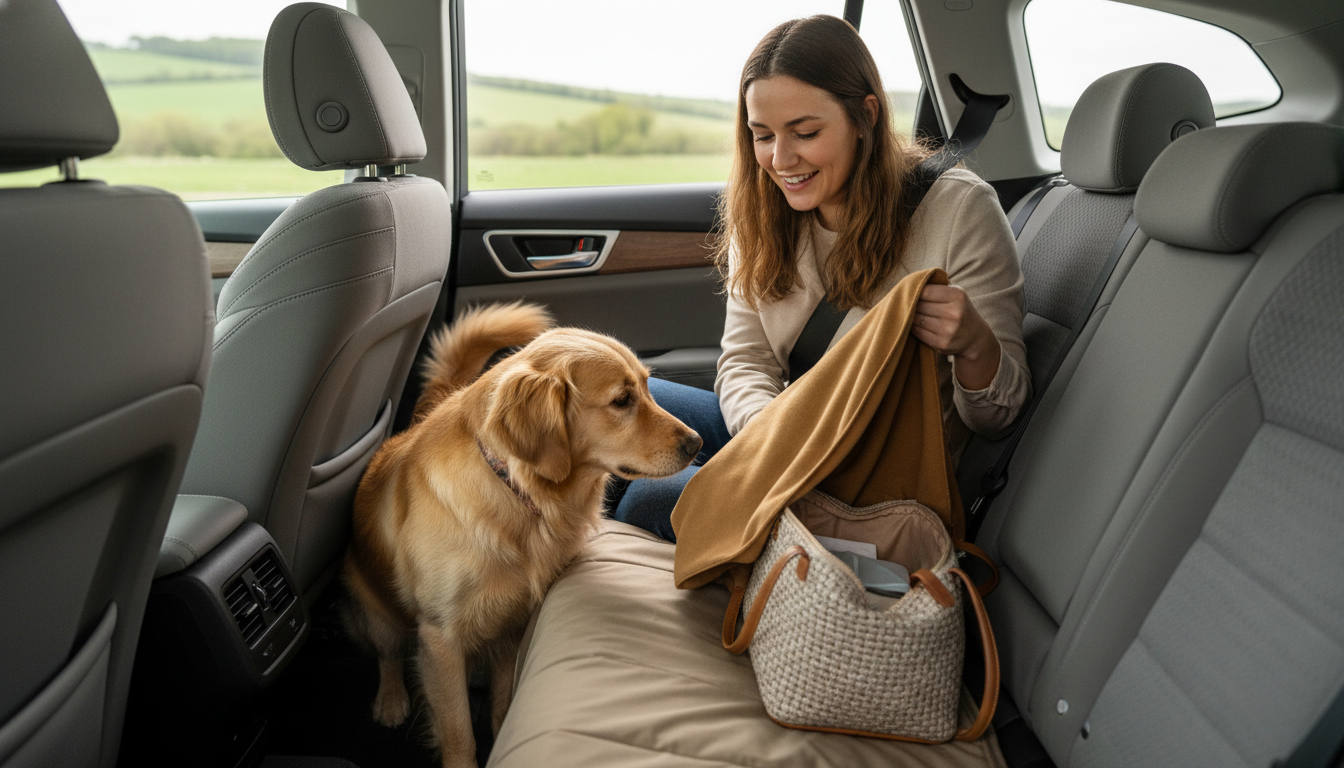
First impressions matter to dogs, but “like” usually looks like relaxed curiosity: a soft body, gentle tail movement, and a willingness to come closer. The goal is to feel safe, predictable, and respectful—fast.
Don’t rush in, loom over them, or reach for their head. Stand at an angle, keep your movements slow, and let the dog decide whether to approach. If they’re on leash, avoid pulling them toward you—choice builds trust.
Soften your posture, keep your hands low, and avoid prolonged direct eye contact. A quick glance and a “look away” reads as polite in dog language. If you sit or crouch sideways (without hovering), you’ll feel less intimidating.
Offer the back of your hand or a relaxed fist at the dog’s nose level, then pause. Sniffing is how dogs gather information and decide if you’re safe. If they move away, don’t follow—wait and try again later.
If the dog chooses to come closer, calmly praise them and, if the owner approves, offer a small treat with an open palm. Keep it simple: one treat for approaching, another for calmly staying near you. Avoid getting loud or overly excited, which can overwhelm shy dogs.
When the dog is leaning in and relaxed, go for the chest or shoulder area—not the top of the head. Use brief strokes, then pause. If they nudge back in, you’re welcome to continue; if they turn away, respect the boundary.
Some dogs are cautious when meeting new people near cars, carriers, or busy sidewalks. A familiar, supportive setup can help them stay calm. For tips on creating a cozy travel routine (and what to look for in a safe carrier), visit this King Wuff guide.
Give them space, keep your body language soft, and let them approach first. Reward calm curiosity with a treat (with owner permission) and pet only if they clearly invite it.
Be the most consistent source of safety, calm routines, and positive experiences like walks, play, and gentle training. Respect their signals and build trust through daily reliability.
Always ask the owner first, then stay calm and let the dog choose to interact. Avoid direct eye contact, don’t reach over their head, and use treats only if approved.