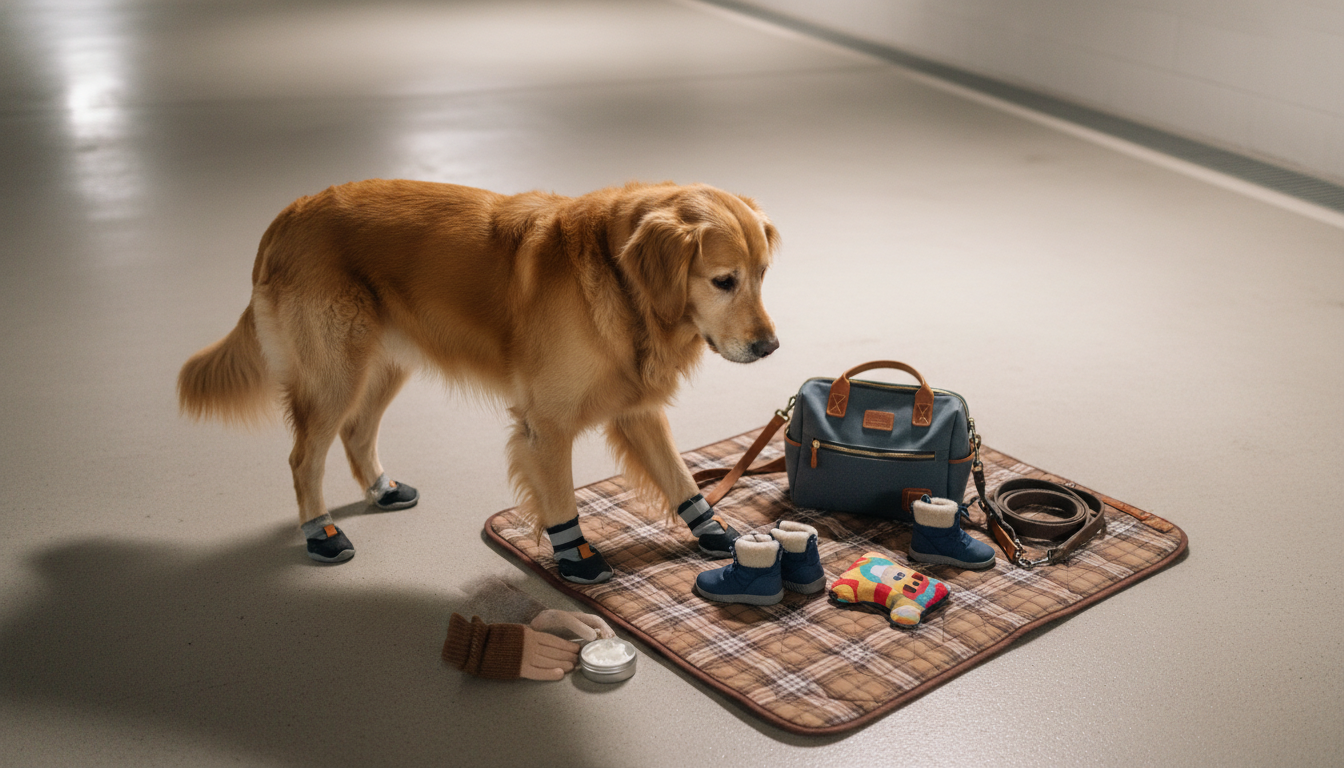
Winter walks can feel magical—until cold pavement, ice, and salt start bothering your dog’s paws. Keeping paws warm is mostly about creating a barrier, limiting exposure, and doing quick after-walk care so your pup stays comfortable and safe.
Boots are the most reliable way to keep paws warm because they block snow, ice melt, and wind. Look for flexible soles with traction and a snug (not tight) closure around the ankle to prevent slipping. Introduce boots at home for short periods so your dog can get used to the feel before heading outside.
Paw balm creates a thin, breathable layer that helps prevent cracking and reduces salt irritation. Apply a small amount to the paw pads and between toes (avoiding clumps), then wipe off excess so your dog doesn’t lick it all away. Balm isn’t a replacement for boots in extreme cold, but it helps a lot on quick outings.
Stick to cleared paths, avoid heavily salted sidewalks, and shorten walks on the coldest days. Fresh powder can cling and form painful ice balls between toes—especially for fluffy-footed breeds—so take a moment to check paws mid-walk. If your dog starts lifting paws, slowing down, or refusing to walk, it’s time to head in.
Rinse or wipe paws with lukewarm water to remove salt and grit, then dry thoroughly, including between toes. A warm towel press (not hot) can help restore comfort fast. Trim excess fur around paw pads to reduce snow buildup and keep traction more reliable.
Cold-weather gear helps, but so does staying organized—especially when you’re juggling treats, wipes, and paw protection on the go. For a cozy, hands-free walking setup, see the guide here: hands-free dog walking bag guide.
It depends on breed, size, coat, and wind chill, but many dogs get uncomfortable when temps drop near freezing, especially on icy or salted surfaces. If paws look red, your dog is limping, or constantly lifting feet, head inside.
Socks can add a little warmth indoors, but they often slip outside and don’t protect well from wet snow, salt, or sharp ice. For outdoor winter walks, boots usually work better and stay on more securely.
Bring your dog indoors, dry paws thoroughly, and use a warm towel press for a few minutes. If you notice cracking, redness, or persistent limping, consider paw balm and check with your vet for guidance.