How to Fly with a Big Dog on a Plane: Safe Travel Tips
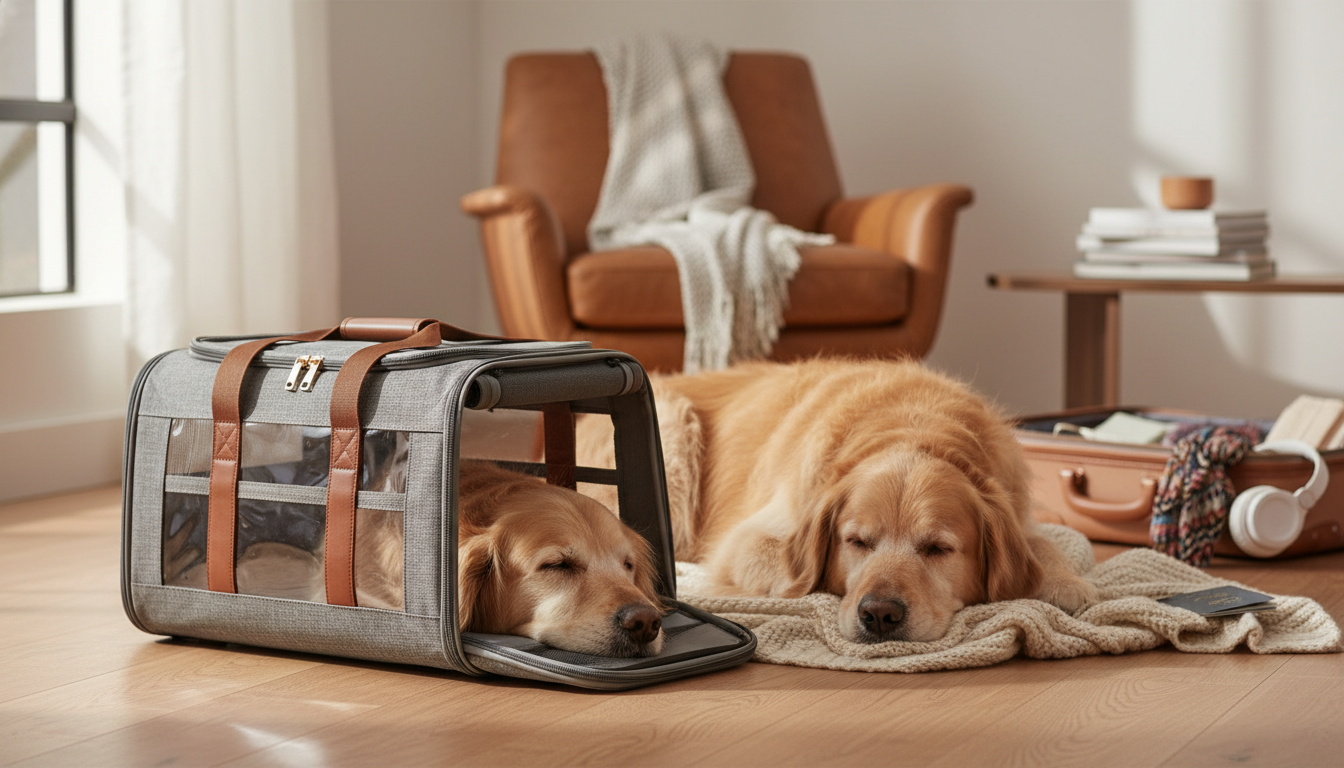
How to fly with a big dog on a plane?
Flying with a large dog takes extra planning, but with the right prep you can keep your pup safe, calm, and comfortable from takeoff to touchdown. Here’s a cozy, stress-lowering guide built for dog lovers who prioritize comfort, quality, and safety.
1) Plan and book with your dog in mind
- Check airline policies early. Most airlines allow only small pets in-cabin; large dogs typically travel as checked pets or via cargo on pet-safe routes. Service dogs have separate rules.
- Choose nonstop flights and cooler travel times to reduce stress and temperature risks.
- Reserve your dog’s spot when booking—pet spaces are limited.
2) Pick the right crate and prep it well
- Use an airline-approved, hard-sided crate big enough for standing, turning, and lying down comfortably.
- Add familiar bedding and a worn T-shirt to boost comfort and reduce anxiety.
- Crate-train 2–4 weeks ahead: short calm sessions, then longer ones, rewarding quiet relaxation.
- Label the crate with your info and “Live Animal” stickers; attach water/food bowls and a small bag of food.
3) Health, documents, and day-of checklist
- Vet visit: confirm fitness to fly; some airlines require a recent health certificate. Avoid heavy sedation unless your vet insists.
- Exercise well before heading to the airport and allow a long potty break.
- Offer a light meal 4–6 hours pre-flight; keep water available.
- Pack essentials in a dedicated bag: leash, waste bags, wipes, collapsible bowl, meds, and paperwork. A well-organized dog travel bag keeps everything within reach.
4) At the airport and after landing
- Arrive early for pet check-in and inspections. Stay calm—your dog takes cues from you.
- Upon arrival, rehydrate gradually, offer a potty break, and do a quick wellness check.
Want a deeper checklist plus packing tips? Read the full guide: How to Travel with Your Dog.
FAQ
How do you take a big dog on a plane?
Book with an airline that accepts large dogs as checked pets or via cargo, secure an airline-approved hard crate, complete vet checks and required documents, crate-train in advance, and choose nonstop flights. Arrive early, attach ID and “Live Animal” labels, and pack essentials for comfort and cleanup.
What to do if your dog poops on a plane?
Stay calm, notify staff, and clean up promptly with waste bags and pet-safe wipes. Seal waste securely, sanitize the area, and offer water. After landing, give your dog a proper potty break and monitor for stress-related stomach upset.
How to fly with a large dog on a plane?
Confirm airline rules, reserve space early, and use a properly sized, IATA-compliant crate with absorbent bedding. Train for calm crate time, schedule a vet visit, avoid heavy sedation, time meals and water wisely, and choose direct flights to limit transfers and stress.