Severe separation anxiety is stressful for both dogs and their humans, but with patience and a structured plan, you can help your pup feel safer and more settled. Start by ruling out medical issues with your veterinarian—pain and cognitive changes can amplify anxiety. From there, focus on rebuilding your dog’s confidence through gradual, positive training and a calmer daily routine.
Keep feeding, walks, play, and rest on a consistent schedule. Predictability reduces uncertainty, which is a major trigger for anxious dogs.
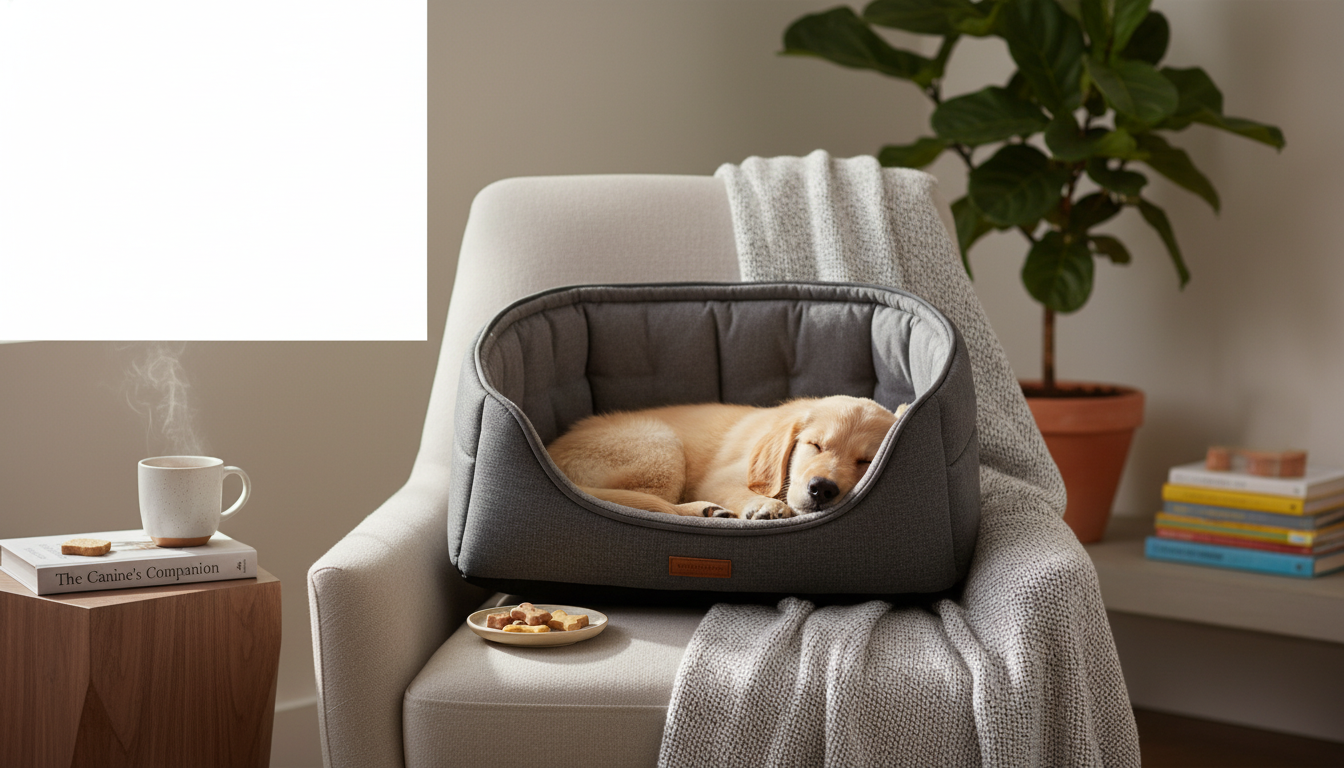
Designate a quiet spot with a supportive, cozy bed, familiar scents, and low light. A cushioned surface that dampens sound and pressure can help your dog relax between departures. For ideas on creating a soothing rest zone, see our guide: Dog Bed Cushion “Mellow Mat”.
Put on your shoes, grab keys, or pick up your bag without leaving. Repeat until your dog stops reacting, then pair those cues with calm activities like licking mats or gentle sniff games.
Start with seconds, not minutes. Step out, return before distress begins, and casually reward calm. Increase duration gradually. Use a camera to monitor stress signals (pacing, howling, drooling) and adjust the timeline.
Daily physical activity plus mental work (food puzzles, scent games, chew time) helps release tension and promotes rest. Aim for enrichment that your dog can enjoy independently.
Soft background audio and your unwashed T-shirt can offer reassurance. Keep the environment cool, comfortable, and low-stimulation.
For severe cases, partner with a certified trainer or veterinary behaviorist. In some situations, anti-anxiety medication or supplements may be recommended to make training effective and humane.
Consistency is key. By pairing a comforting environment with gradual training and clear routines, most dogs can learn that time alone is safe—and even restful.
Start with very short absences and reward quiet moments. Provide a cozy, puppy-safe space with a comfy bed, chew options, and a predictable routine. Increase alone-time slowly to build confidence.
Common triggers include household changes (moves, schedule shifts), loss of a companion, aging, or health issues. A vet check plus a return to gradual alone-time training can help.
Combine vet guidance, a structured desensitization plan, and a calming environment. Use enrichment, monitor with a camera, and consult a certified trainer or behaviorist for tailored support.