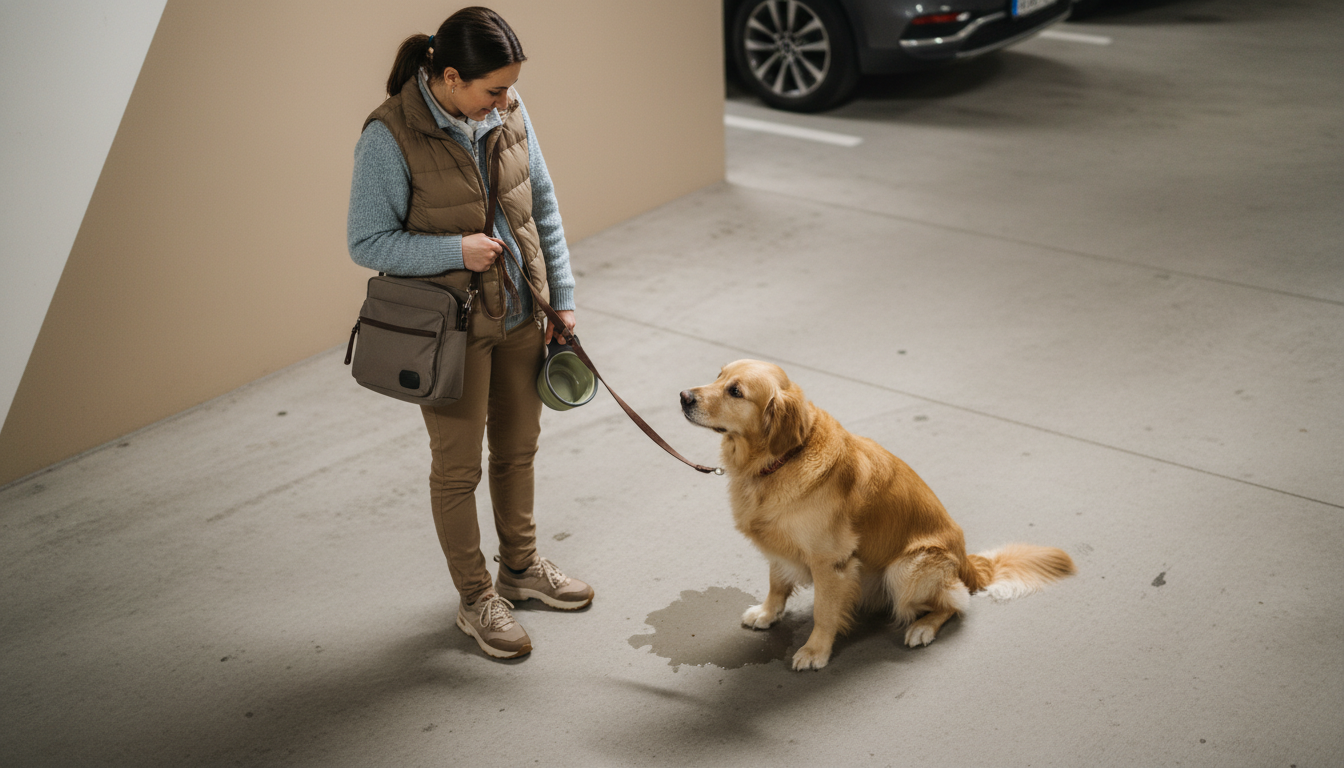
Below are practical points for how often is too often for a dog to pee?.
“Too often” depends on your dog’s age, size, routine, and how much they’ve been drinking, but a good rule of thumb is that frequent urination becomes a concern when it’s suddenly more often than normal or paired with accidents, urgency, or discomfort. Most healthy adult dogs typically pee about 3–5 times per day, while puppies and seniors often need more breaks.
For many adult dogs, needing to pee every 2–3 hours all day long (especially if that’s new) can be a sign something’s off—like a urinary tract infection, bladder inflammation, diabetes, kidney issues, or medication side effects. It can also be behavioral, such as marking, stress, or changes in the household routine.
Watch for red flags: straining, dribbling, crying, licking the genital area, blood in the urine, strong odor, increased thirst, or a sudden jump in indoor accidents. If you notice any of these, call your vet promptly—urinary problems can worsen quickly, and male dogs can be at risk for serious blockages.
If everything else seems normal, start by checking the basics: has your dog had extra treats, salty snacks, new food, more exercise, hotter weather, or more water access? Also consider whether your walk schedule has changed. Consistent, predictable potty breaks can help many dogs feel comfortable and reduce urgency.
Planning regular outings (and carrying the essentials) makes it easier to stay on top of potty needs, especially on longer walks or travel days. For walking routines and staying organized on the go, see this guide: hands-free, organized dog walking essentials.
Most adult dogs do well with potty breaks every 6–8 hours, though many prefer 4–6. Puppies, seniors, and dogs with medical conditions may need more frequent trips.
Sudden indoor peeing can be caused by marking, stress, a urinary tract infection, bladder irritation, or other medical issues. If it’s new or frequent, a vet check is the safest next step.
For many dogs, yes—every 4 hours can be normal, especially with higher water intake, warm weather, or increased activity. If it’s a sudden change or comes with discomfort or accidents, it’s worth investigating.