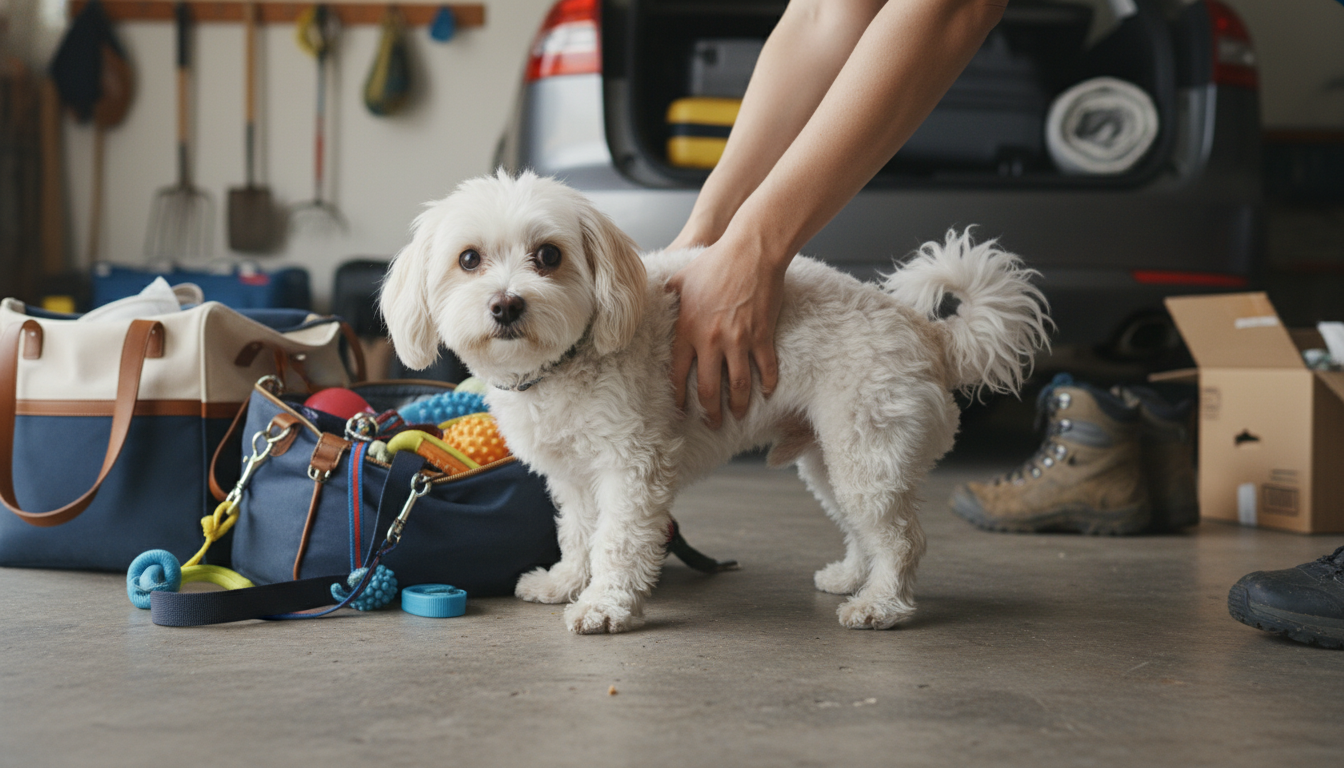
Small dogs can be surprisingly easy to hurt if they’re lifted the wrong way. The biggest “don’t” is grabbing quickly or supporting only one part of the body. Even if your pup seems fine in the moment, awkward lifting can strain the back, shoulders, ribs, or knees—and it can also make a sensitive dog more fearful of being handled.
Avoid hooking hands under the front legs and hoisting. This puts pressure on joints and can tug the chest and shoulders. Scruffing is also a no-go for most companion dogs; it can cause pain and panic, especially as dogs get older.
Lifting by anything attached to the neck or a single strap can jerk the spine and airway. Even “no-pull” gear isn’t meant to carry a dog’s weight. If you need help moving your pup, use both hands and support the body instead.
One-hand scoops that leave the hips and back legs swinging can stress the lower back and make dogs feel insecure. Dogs with long backs (like Dachshunds) are especially vulnerable, but any small dog can be uncomfortable if their rear isn’t supported.
Swooping in from above can startle dogs and trigger squirming or snapping. If your dog tenses, whale-eyes, yelps, freezes, or tries to bolt, pause and reset. Calm handling is safer than forcing it.
If your dog gets tired on walks, is recovering from an injury, or needs help in crowded areas, a supportive carrier can reduce awkward grabbing and sudden pressure on the body. For comfort-first travel and walk setups, see our guide here: dog carriers, walk bags, and pet travel comfort tips.
Use a stable stance and lift with your legs, not your back. Support the chest with one arm and the rear with the other, keeping the dog close to your body.
Avoid quick one-hand grabs, lifting under the armpits, or letting the hind end dangle. Most importantly, don’t force it if the dog is panicking—reset and try again calmly.
Don’t lift by the collar, leash, front legs, or scruff, and don’t surprise a dog from above. Any lift should support both the front and rear and keep the spine level.