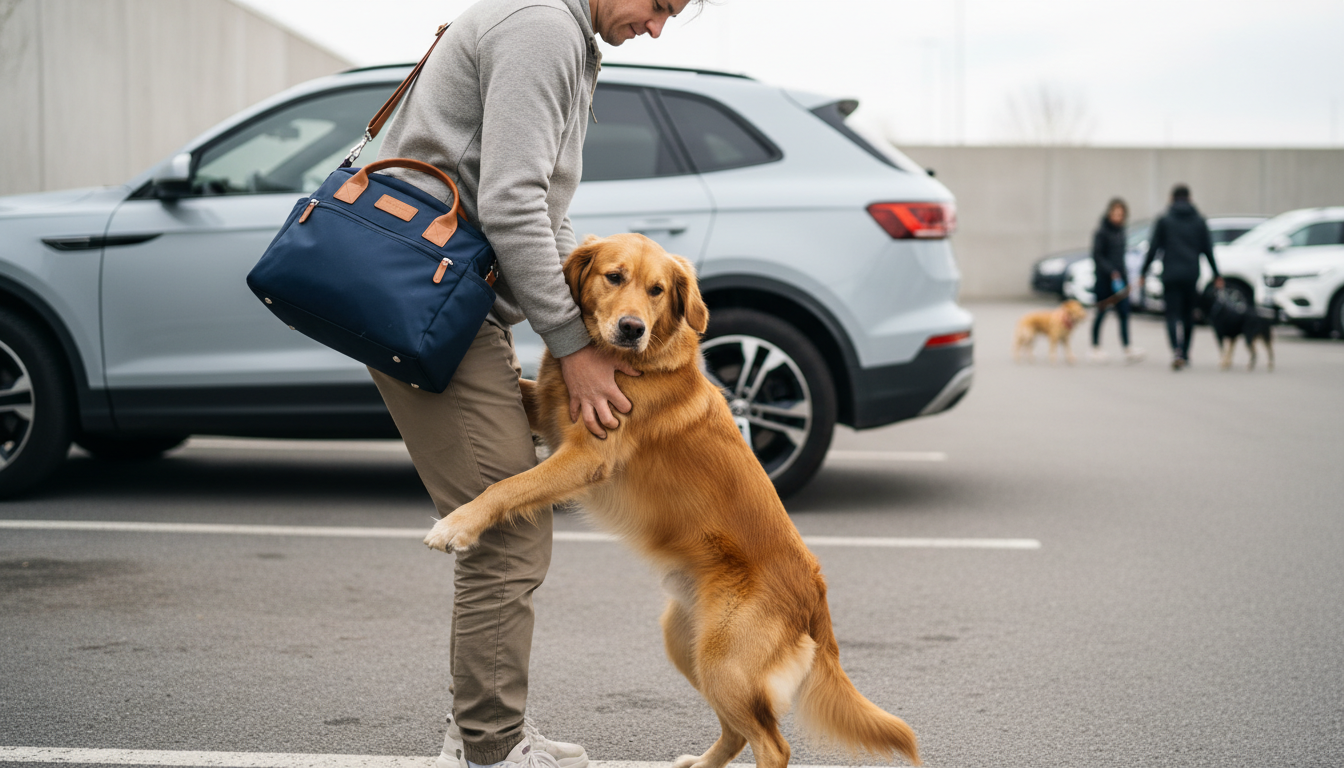
Picking up a dog can feel like a quick, caring gesture—until it startles them, strains their body, or leaves you with a squirming pup in midair. The goal is simple: keep their spine supported, joints protected, and stress low. Here are the most common “don’ts” to avoid, especially when you’re heading out the door or settling your dog into a cozy spot.
Below are practical points for what to avoid when lifting a dog.
Hoisting a dog by their front legs (or scooping only under the chest) can put uncomfortable pressure on shoulders, elbows, and spine—particularly for small breeds and long-backed dogs.
Pulling up by the scruff or collar can cause fear and neck strain. Lifting by the tail can be painful and unsafe. If your dog needs guidance, use gentle body support instead of grabbing.
Letting the hindquarters dangle can strain the lower back and hips. This is a big risk for seniors, dogs with arthritis, and breeds prone to IVDD (intervertebral disc disease).
Sudden lifts can trigger flailing or snapping, even in sweet dogs. Approach calmly, let them see your hands, and pick them up only when they’re relaxed and steady.
If your dog stiffens, growls, tucks their tail, or tries to escape, stop and reassess. Pain, past experiences, or anxiety may be involved—especially after travel or a long walk.
When possible, use tools that reduce how often you need to lift: ramps for couches or cars, and supportive pet travel gear for errands and outings. For ideas on comfortable, secure options (especially for on-the-go pups), visit this guide to pet travel comfort gear, dog carriers, and walk bags.
Yes. Lifting by the front legs, collar, or without supporting the hind end can cause stress and physical strain. A calm approach with full-body support is safer.
Many owners warn against lifting under the armpits, grabbing the collar, or letting the back legs dangle. The most consistent advice is to support both the chest and rear and avoid sudden lifts.
Slide one hand under the chest and the other under the hindquarters, then lift close to your body. Keep their back level and move slowly so they feel secure.