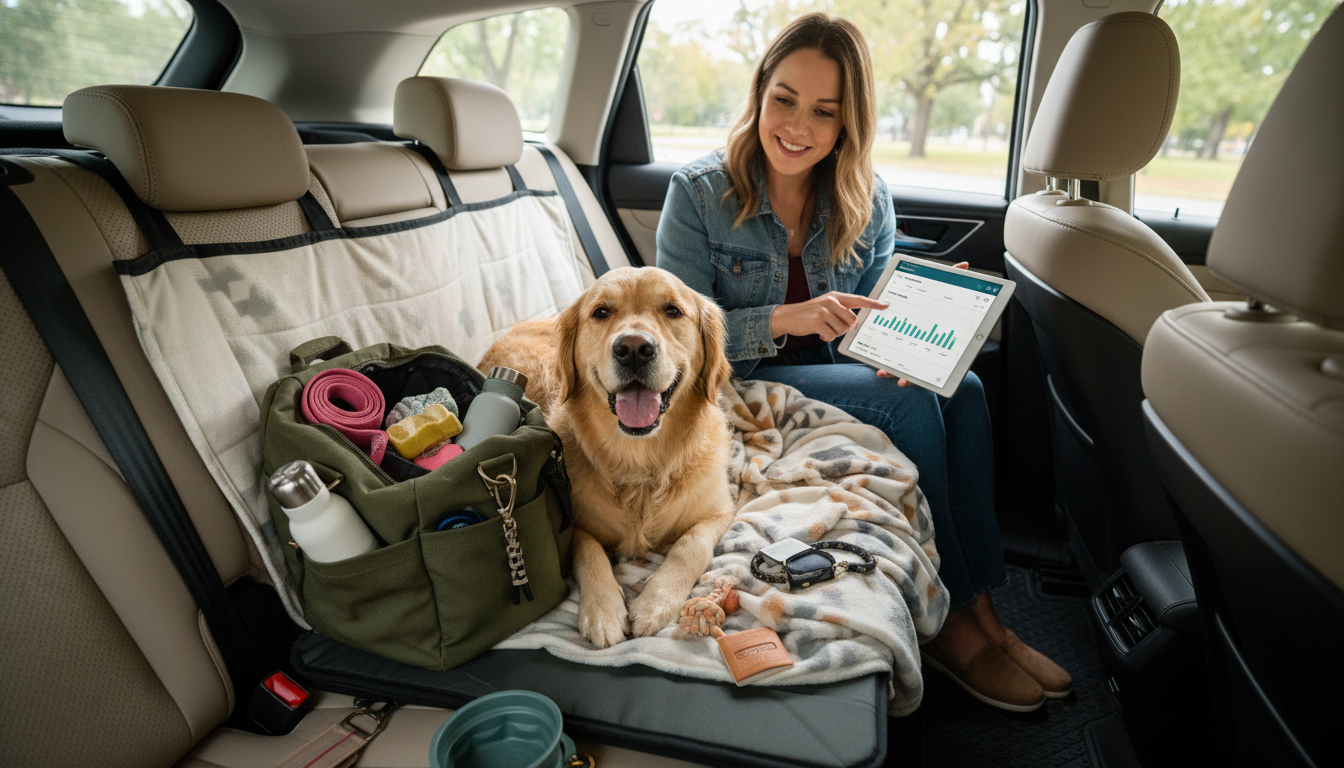
A comfortable starting point for many Rover dog walkers is $20–$30 for a 30-minute walk and $30–$45 for a 60-minute walk. From there, adjust based on your area’s demand, your experience, and what’s included (like mileage, basic training reinforcement, or handling multiple dogs).
To set a rate that feels fair (and profitable), think in terms of your real “take-home” pay. Rover fees, travel time, parking, and the little essentials—treats, poop bags, wipes—add up fast. If you’re consistently booked, that’s usually a sign you can nudge rates upward in small steps.
Pick a base price for 30 minutes, then add for anything that increases time, effort, or risk:
Pet parents often pay more when the experience feels organized, safe, and calm. Clear updates, on-time arrivals, and confident leash handling matter. Having a consistent setup—like a hands-free waist pack for treats, keys, phone, and waste bags—can make walks smoother and more professional. For a practical, walk-ready organization guide, see this hands-free dog walking bag guide.
Raise prices when your schedule is filling up, you have strong repeat clients, or you’ve added value (pet first-aid knowledge, better reporting, handling reactive dogs, or simply a track record of reliability). Small increases—$2–$5 per walk—tend to be easiest for regulars to accept.
Rover typically takes a service fee from sitters (often around 20%, and in some cases 25% depending on your account terms). Check your sitter dashboard to confirm your exact rate.
Earnings vary by location and schedule, but many walkers bring in roughly $15–$35+ per walk after fees. Consistent bookings and higher-demand time slots can increase your weekly total.
It can be, depending on your area, the level of care required, and how many hours you’re committing. If the dog needs frequent potty breaks, medication, or constant supervision, many sitters charge more.