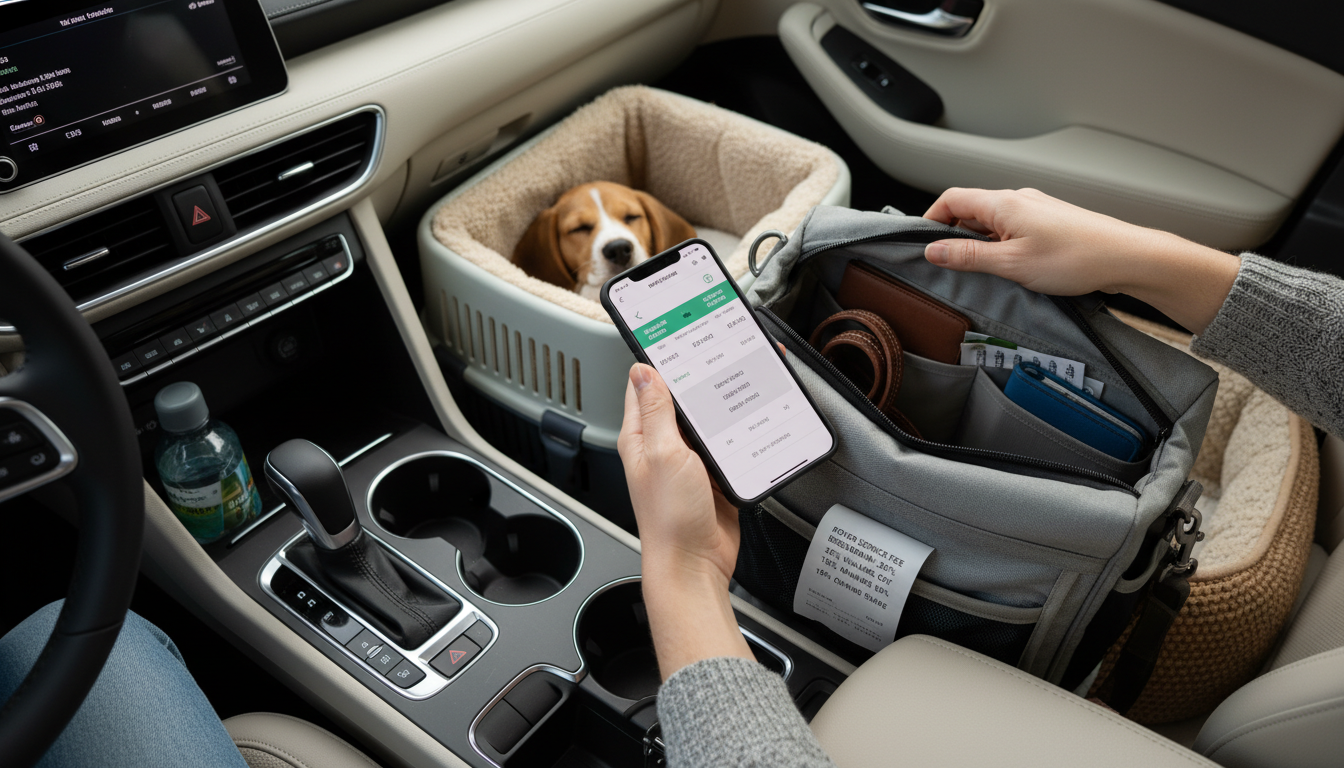
Rover typically takes 20% of what a pet care provider (like a dog walker, sitter, or boarder) earns for each booking. This is the platform’s service fee for listing your services, processing payments, and providing access to tools like scheduling, messaging, and support.
Some providers may see a 15% fee instead of 20%. That lower rate is generally associated with older (grandfathered) accounts from earlier Rover programs. If you’re unsure which applies, your Rover account’s payout breakdown usually shows the exact fee on each booking.
If you charge $30 for a walk, a 20% fee would be $6, and your earnings before any other expenses would be $24. If your fee is 15%, Rover would take $4.50, leaving $25.50. (Taxes and business costs are separate and depend on your situation.)
Rover’s main “percentage” conversation is usually about what providers pay, but pet owners may also see additional fees added at checkout (often listed as a service fee). The exact amount can vary by booking and location, so it’s best to review the final total before confirming.
Since platform fees can make every booking count, it helps to stay organized and efficient during walks—especially when you’re juggling treats, waste bags, water, and your phone. For a hands-free setup that keeps essentials within easy reach, check out our guide to the Red Rover dog walking bag and hands-free waist pack.
It depends on your total income, filing status, and whether it was self-employment income. Many people still need to file, and self-employment tax can apply even at lower amounts.
Rover may collect or report certain tax information depending on your role and where you live. You’re generally responsible for tracking and paying taxes on your earnings.
Wag’s fee structure can vary by service and promotions, but it commonly takes a platform fee from a walker’s earnings. Check your Wag app or payout details for the most current percentage.