Rover doesn’t pay a fixed “per-walk” wage. Instead, you set your own prices for dog walking, and Rover takes a service fee from each booking. What you earn per walk depends on your rate, your location, the walk length (like 30 or 60 minutes), and how many repeat clients you build over time.
Because walkers choose their own pricing, payouts can vary widely. A common way to estimate it is: Your take-home per walk = your listed price minus Rover’s service fee. If you’re pricing competitively and keeping your calendar full, the total weekly income is often more about consistency (repeat dogs, efficient scheduling, and add-on services) than any single walk.
A few practical factors can raise or lower your take-home pay:
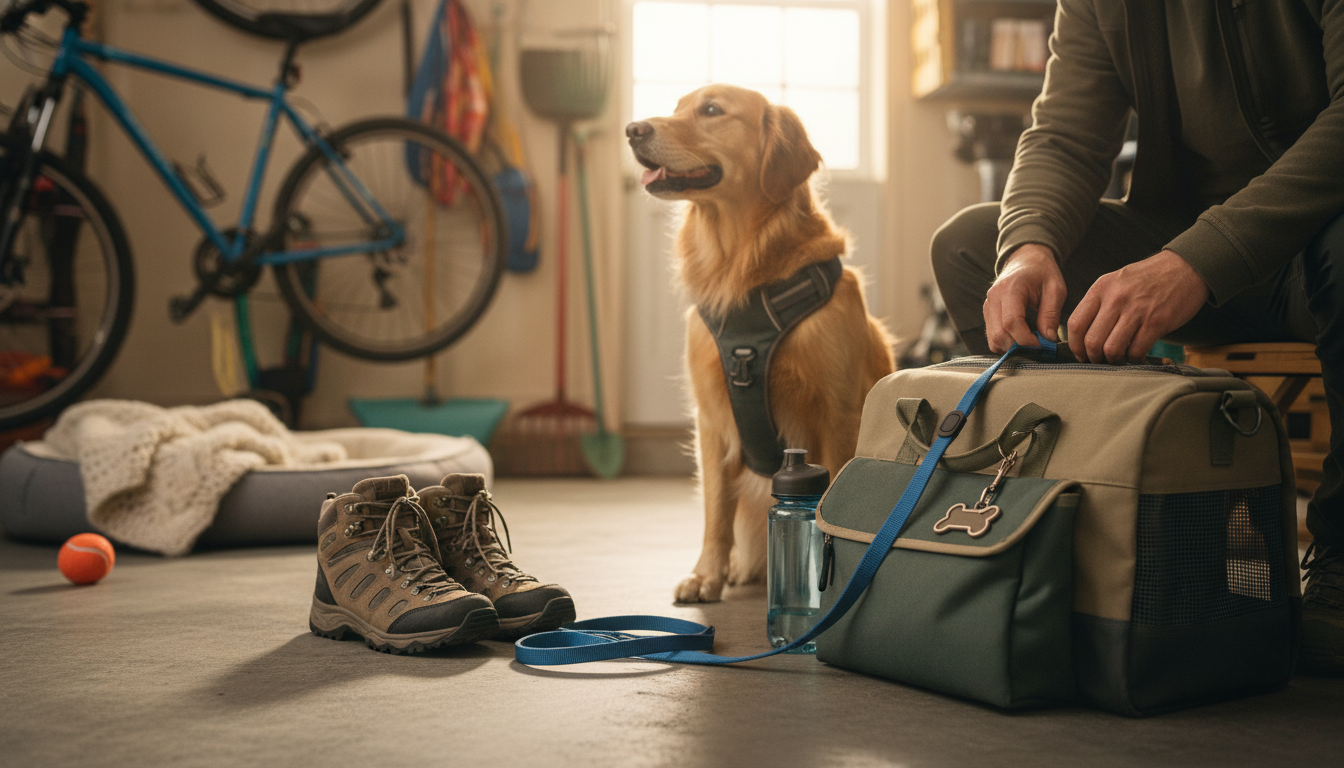
When your day includes back-to-back walks, comfort and organization matter. A hands-free setup can make it easier to manage leashes, treats, waste bags, and keys without constantly stopping to dig through pockets. For a practical, pet-centric look at staying organized on the move, visit this guide to the Red Rover hands-free dog walking bag.
It depends on your rates, how many walks you book each week, and how many repeat clients you maintain. Many walkers find that steady, local regulars make earnings more predictable than one-off requests.
In the UK, earnings still depend on the rates you set and Rover’s service fee, plus local demand. Take-home pay varies by city, experience, and how full your schedule is.
Pricing depends on your area, the dog’s needs, and what’s included (one dog vs. multiple dogs, travel time, or special handling). Checking local going rates and adjusting for your experience and costs can help you land on a fair number.