Flying a pet in cargo typically costs anywhere from about $200 to $1,000+ each way, depending on the airline, route, your pet’s size, and whether the trip is domestic or international. Some trips may also require a pet shipper, customs paperwork, or additional handling—each of which can raise the total.
Airlines generally price cargo pets by the space and handling required. Larger crates cost more, and longer routes can add fees. Many carriers also treat cargo pets differently from in-cabin pets, with distinct rules, booking processes, and seasonal temperature restrictions.
While every airline is different, many pet owners see:
Budget for more than the airline fee. Your total may include an IATA-compliant crate, health certificate from a vet, required vaccinations, microchip, destination permits, and possible quarantine costs for some countries. If your airline requires drop-off at a cargo facility (not the passenger terminal), you may also need extra time and transportation planning.
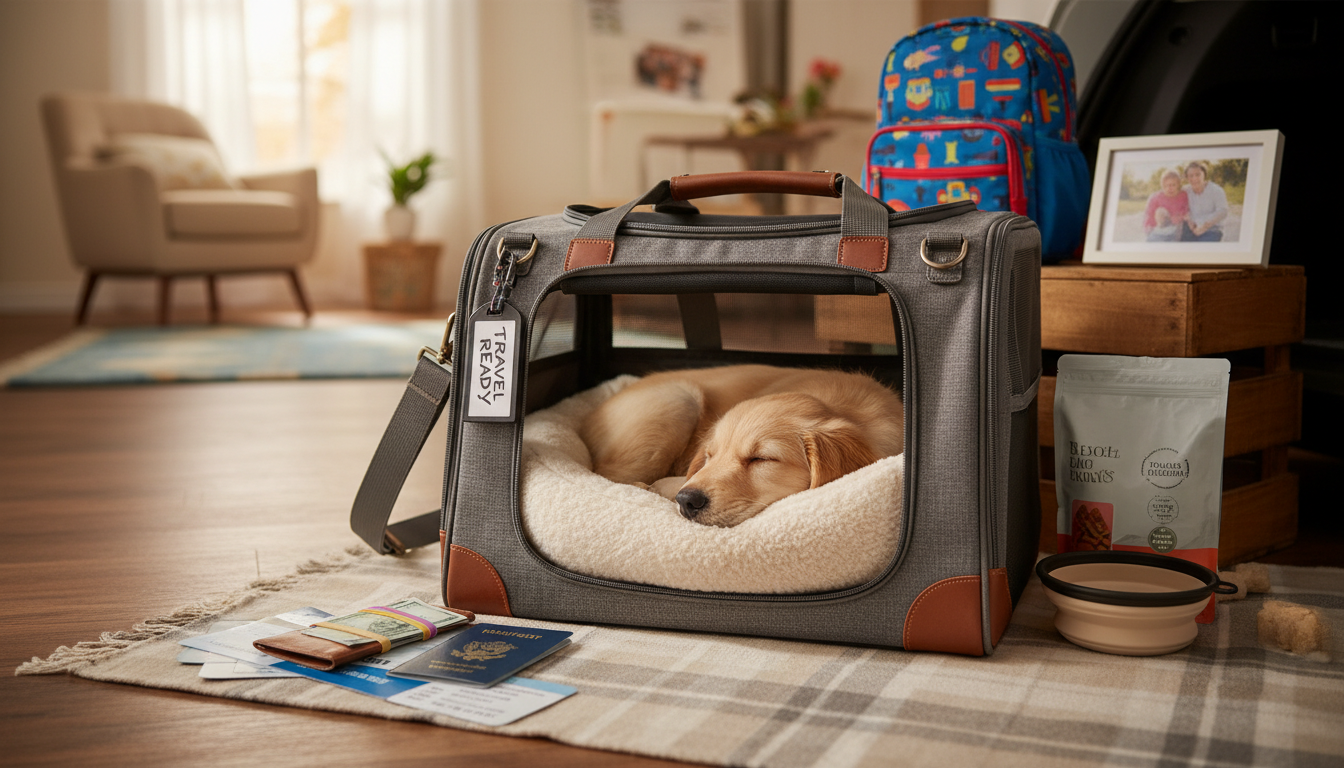
Cost matters, but comfort and safety matter more—especially in cargo. Choose the right-size crate, add a familiar-smelling blanket, and keep water accessible (per airline rules). For cozy, travel-ready essentials and carrier guidance, visit this pet travel comfort guide.
It varies by route and pet type, but some airlines offer lower in-cabin pet fees than cargo rates. The cheapest option often depends on whether your pet can fly in cabin and the specific flight distance.
The lowest-cost option is often flying with your cat in the cabin (if allowed) rather than shipping as cargo. For longer moves, comparing airline cargo rates and avoiding peak-temperature embargo seasons can also help.
This commonly refers to arrival timing guidance for pet check-in, where you may need to arrive earlier than standard check-in to complete paperwork and processing. Always confirm the exact timing for your airport and flight because requirements can differ.