Most people can get started on Rover for a relatively low upfront cost. The main out-of-pocket expense is Rover’s one-time background check fee, which is commonly around $25–$35 in the U.S. (pricing can vary by location and the type of check required). After that, there usually isn’t a monthly membership fee to stay listed.
Instead of charging ongoing fees, Rover typically takes a service fee from your bookings. For many sitters and walkers, that’s often around 20% of what you earn through the platform. That means your biggest “cost” is really a percentage of your income—so you’ll want to price your walks in a way that still feels worth your time after fees.
Depending on how prepared you want to be, there are a few practical expenses that can pop up:
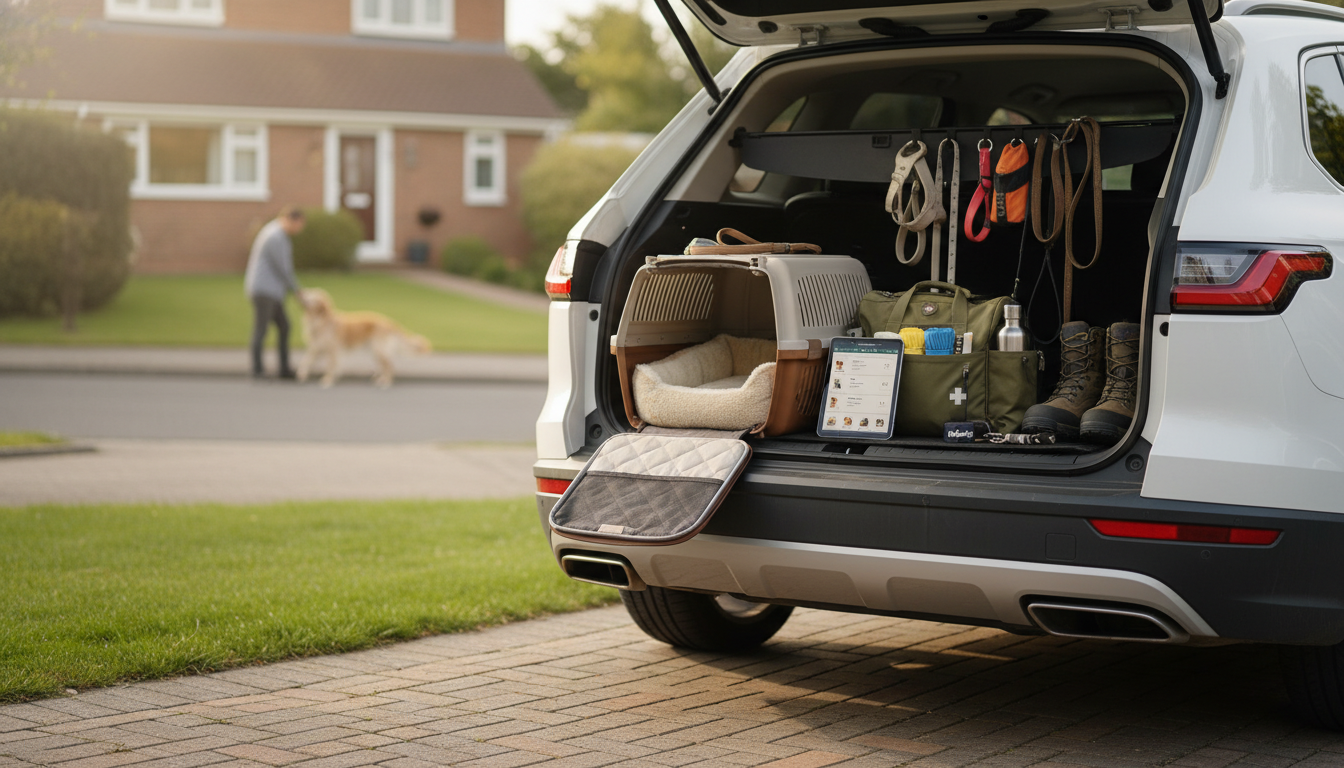
If you’re building a kit that keeps walks comfortable and organized, a dedicated walking bag can be a game-changer. For a practical, pet-centric setup, see this guide to a hands-free waist pack: https://kingwuff.com/blog/guide-red-rover-dog-walking-bag-hands-free-waist-pack/.
Budget $25–$35 to apply, then expect a platform fee taken from each booking. Any additional spending is up to you—many walkers start simple and upgrade their gear once they’re booking consistently.
Earnings vary by city, availability, and pricing, but many walkers set their own rates and then take home the amount minus Rover’s service fee. Your income also depends on how many repeat clients you build.
It can be straightforward if you meet the requirements and pass the screening process, but approval and onboarding steps vary by location. Competition and demand in your area can also affect how quickly you get booked.
Pay depends on the walk type, your area, tips, and the platform’s fee structure. Like most gig-style apps, steady earnings usually come from high availability and repeat requests.