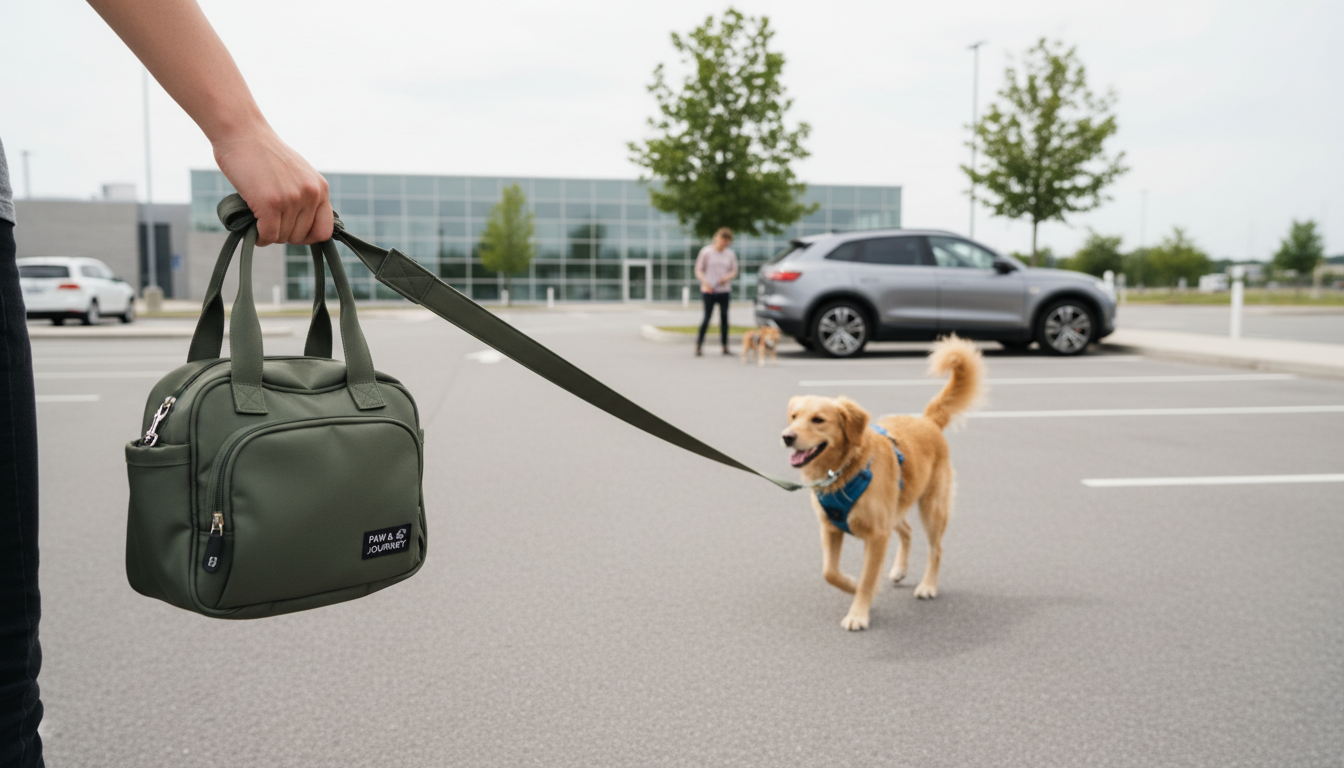
Most 1-year-old dogs do well with about 60–90 minutes of walking per day, usually split into two or three outings. At this age, many dogs have the energy and stamina to handle longer walks than puppies, but they still benefit from variety—sniffing, exploring, and short bursts of play can be just as satisfying as steady miles.
A practical starting point is two walks of 30–45 minutes. For smaller or calmer dogs, 20–30 minutes twice a day may be plenty. For athletic, high-drive dogs, you may need closer to 90 minutes total—plus extra mental enrichment—so they don’t turn that unused energy into chewing, barking, or zoomies indoors.
Walking needs aren’t one-size-fits-all. A sturdy young Lab mix may happily cruise for an hour, while a compact companion breed might prefer shorter strolls with more sniff breaks. Also consider your dog’s individual style: some dogs “power walk,” others want a leisurely pace with lots of investigating.
Signs the walk is hitting the sweet spot: relaxed body language afterward, steady appetite, and calm resting at home. Signs to scale back: lagging behind, excessive panting, limping, or stiffness later that day. Signs to scale up: restlessness, trouble settling, and attention-seeking that ramps up after missed walks.
Consistency is simpler when your essentials are organized—treats, waste bags, keys, and a phone—especially on longer routes. For tips on keeping hands free and gear tidy, visit this hands-free dog walking bag guide.
Most do best with 2–3 walks per day. Splitting exercise into multiple outings helps burn energy without overdoing a single long session.
High-energy working and sporting breeds often need the most, including Border Collies, Australian Shepherds, German Shepherds, and many retrievers. Individual temperament and training still make a big difference.
It’s a guideline for adjustment after a big change: about 3 days to decompress, 3 weeks to settle into a routine, and 3 months to feel fully at home. It’s especially common advice for newly adopted dogs.