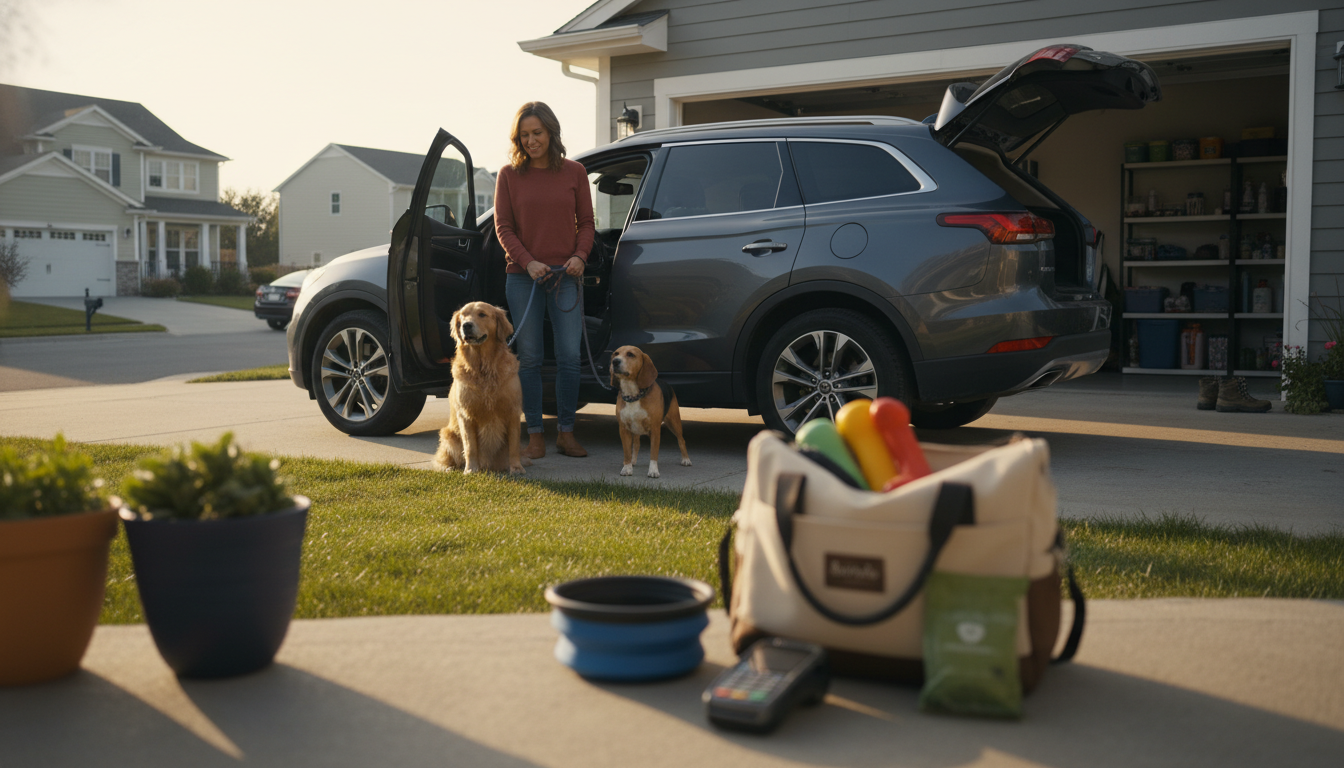
Most Rover dog walkers earn somewhere in the $15–$30 range for a 30-minute walk, with 60-minute walks often landing around $25–$50. Your exact take-home pay depends on your city, your experience level, the dog’s needs, and how you price your services.
Location is a big driver. Walkers in higher-cost metro areas can typically charge more than walkers in smaller towns. Timing and demand also matter—midday weekday walks (when many owners are at work) can be especially steady in busy neighborhoods.
Service add-ons can increase the total per booking. Extra dogs from the same household, longer walks, holiday requests, or special handling needs can justify a higher rate—so long as you’re clear about expectations and safety.
Rover generally takes a service fee (often 20%) from a walker’s earnings, so a $25 walk may net about $20 before taxes and expenses. Tips can help, and many walkers see better tips when they provide great updates (photos, notes, and punctuality).
Efficient, comfortable walks usually come down to preparation: treats, waste bags, water, a secure leash setup, and a calm routine. A hands-free setup can be especially helpful when you’re juggling keys, poop bags, and a phone for Rover updates. For a practical, pet-centric gear checklist, see the hands-free dog walking bag guide from KingWuff.
Monthly earnings vary widely based on how many bookings you take and your local rates. Some walkers earn a few hundred dollars a month part-time, while consistent schedules in busy areas can bring in much more.
Rover typically charges a one-time background check fee during signup. The exact amount can vary by location and the type of check required.
It’s usually the same idea as sitter signup: a one-time background check fee is common. After that, there’s no upfront “membership” cost, but Rover takes a percentage of your earnings per booking.