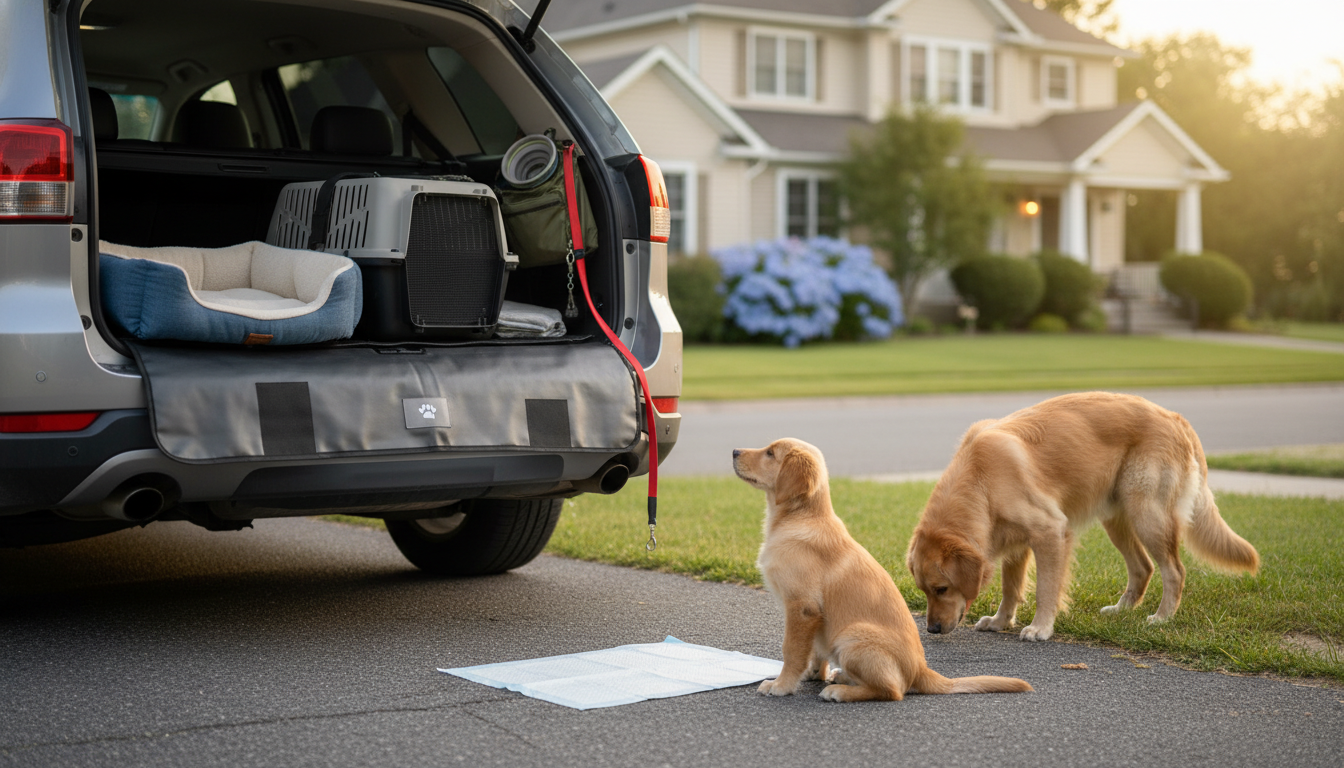
Most healthy adult dogs urinate about 3–5 times per day, though 2–6 times can still be normal depending on size, schedule, water intake, weather, and activity level. After a long nap, after meals, and after play are common times to need a potty break.
Puppies go much more often because their bladders are small and they’re still learning control. A helpful rule of thumb is that a puppy can hold it for about one hour per month of age (up to around 8 hours for many dogs, but not ideal for young pups). Senior dogs may also need more frequent trips due to weaker bladder control or age-related conditions.
Bathroom frequency can change with a new walking schedule, hot days (more drinking), salty treats, new food, or travel. If your dog is getting longer walks or more outdoor time, they may pee more simply because they have more chances to mark and fully empty their bladder. For a smoother, more comfortable routine on daily outings, take a look at this helpful guide on staying organized during walks: hands-free, organized dog walking essentials.
Contact a veterinarian if you notice any of the following: straining to pee, accidents in a housetrained dog, blood-tinged urine, strong odor, excessive thirst, licking at the genitals, or needing to go out urgently with only small amounts produced. These can point to issues like a urinary tract infection, bladder stones, diabetes, kidney disease, or pain.
Pick a typical day and note how many potty breaks happen, whether they produce a normal stream, and if water intake seems higher than usual. Consistency is key—sudden changes matter more than the exact number.
Many healthy adult dogs can hold it for about 6–8 hours overnight. Puppies and seniors often need a break sooner, and any dog with urinary issues may need more frequent trips.
It can be normal for puppies, seniors, or very active dogs—especially with increased water intake or more frequent outdoor opportunities. If it’s a sudden increase or comes with straining, accidents, or extra thirst, check with a vet.
Most adult dogs typically don’t need to pee during the night if they go out right before bed. Needing to go more than once overnight can signal a schedule issue or an underlying health concern.