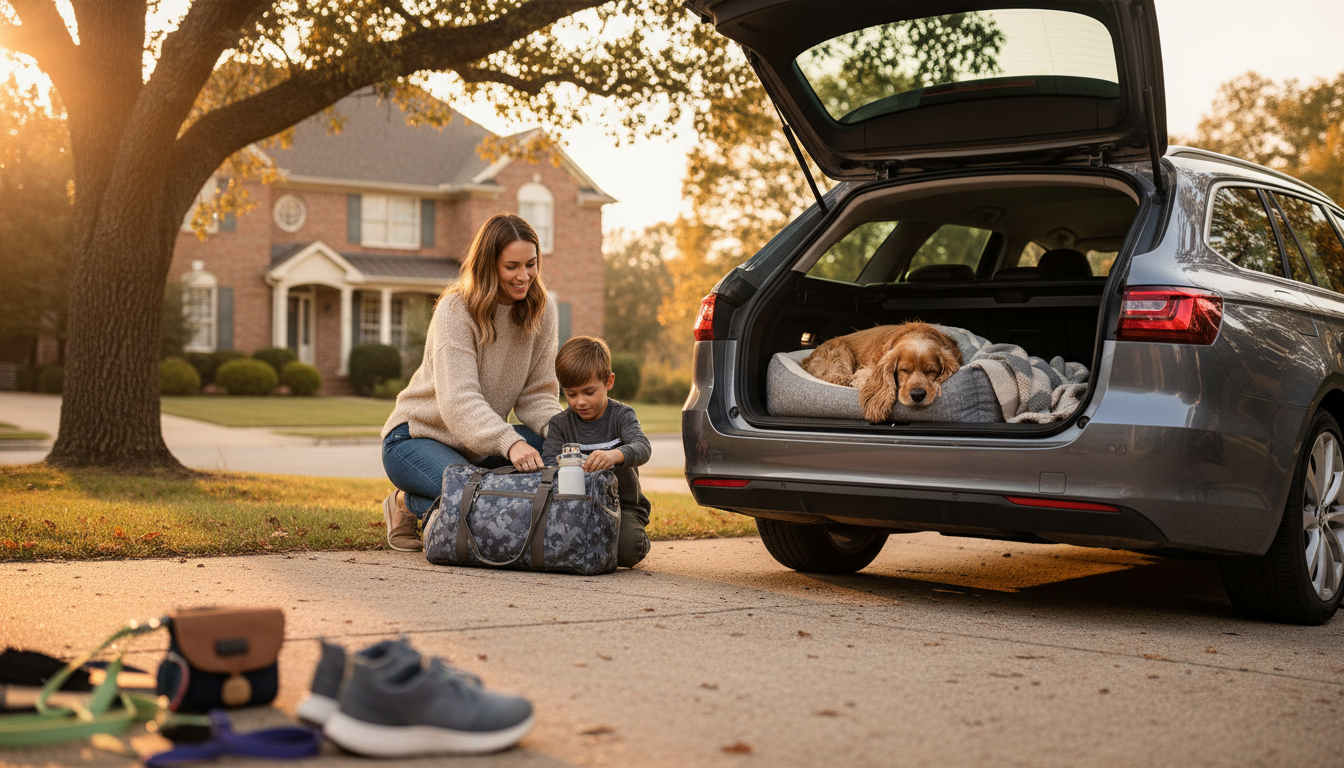
Cocker Spaniels are affectionate, active dogs—but they also recharge hard. Most adult Cocker Spaniels do best with about 12–14 hours of sleep per day (including nighttime sleep plus naps). Puppies often need 18–20 hours, while seniors may drift closer to 14–16 hours as their bodies slow down.
Daily sleep needs can shift with activity level, stress, and routine. A long walk, a play session, or a busy day of visitors can lead to extra napping. On the flip side, overtired dogs can get a little “wired,” especially young Cockers—so consistent rest is just as important as exercise.
A well-rested Cocker Spaniel typically wakes up bright-eyed, eats normally, and settles easily between bursts of play. Expect several short naps throughout the day, plus a longer stretch overnight. Many Cockers also prefer sleeping near their people, especially if they feel secure and cozy.
Start with a predictable routine: similar bedtimes, regular potty breaks, and enough daytime activity. Then focus on the sleep setup. A stable, supportive bed helps protect joints and encourages deeper rest—especially for older dogs or those who love sprawling out.
If your pup tends to wander, dig, or slide around on hardwood, a non-slip, washable bed pad can make a noticeable difference in comfort and cleanliness. For tips on choosing an easy-care sleep surface that stays put, visit this guide to washable, non-slip dog bed mattress plush pads.
Sleeping more than usual is often normal after extra activity, but contact your vet if sleep changes come with red flags like loss of appetite, persistent coughing, limping, confusion, or sudden behavior changes. Also ask about sleep if snoring is loud and new, or if your dog seems tired even after long rest.
Causes vary by age and health history, but cancer and heart-related disease are commonly reported in many Spaniel populations. Regular vet checkups and early screening help catch issues sooner.
Many Cocker Spaniels start to noticeably settle between 2 and 3 years old, though individual energy levels vary. Consistent training, enrichment, and routine usually speed up the “calmer” phase.
Most adults do well with 12–14 hours daily, while puppies may need 18–20 hours and seniors often need a bit more. Naps throughout the day are normal and healthy.