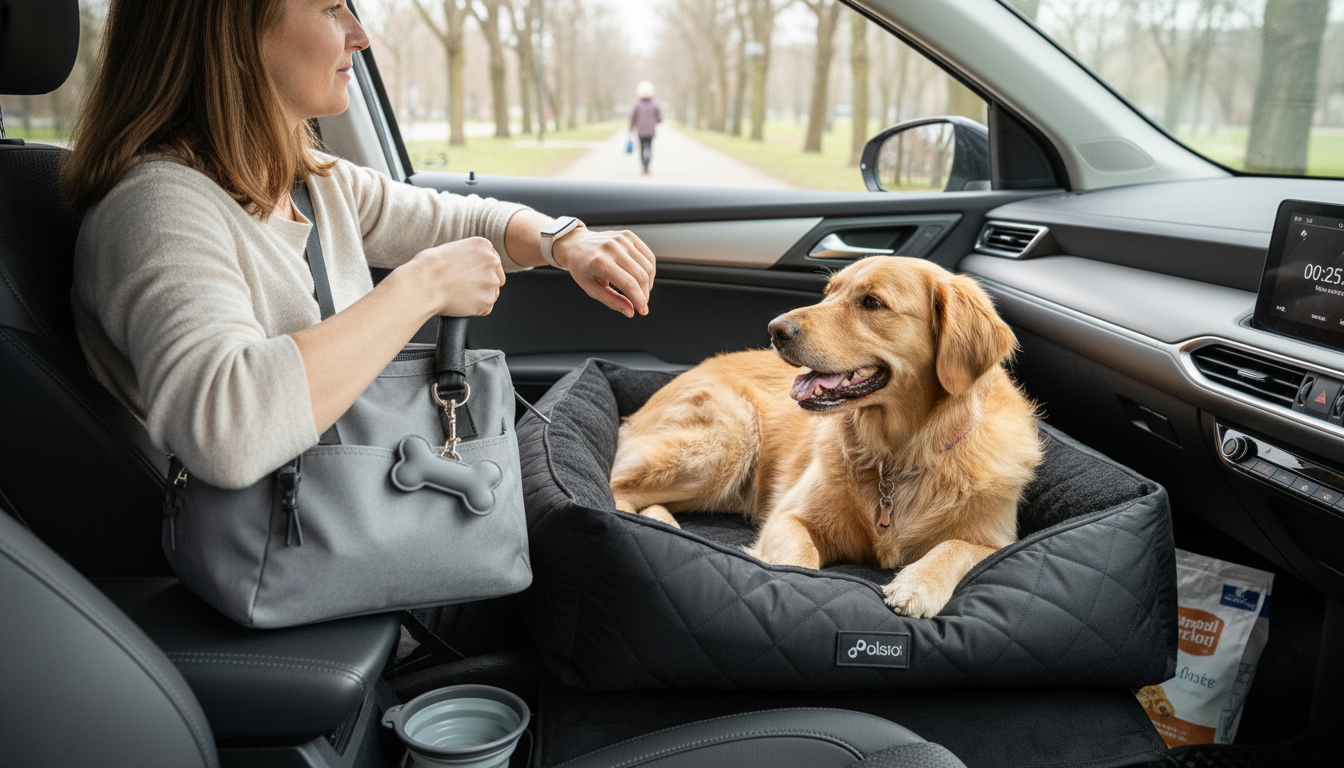
After a typical 30-minute walk, most dogs do best waiting about 30–60 minutes before eating a full meal. That short “cool-down” helps their breathing and heart rate return to normal and gives them time to rehydrate without gulping food right away.
If the walk was brisk, included lots of running, or happened in hot/humid weather, aim closer to 60–90 minutes—especially for larger, deep-chested breeds that can be more prone to digestive upset and bloat. On the other hand, if your dog’s walk was slow and relaxed (more sniffing than sprinting), a 30-minute wait is often plenty.
Feeding immediately after exercise can increase the chance of discomfort, vomiting, or gas—mainly because an excited dog may drink and eat too quickly while their body is still “revved up.” A calm, rested dog is more likely to eat at a normal pace and settle comfortably afterward.
Start with a small drink of water when you get home, then let your dog rest in a cool, cozy spot. If they’re panting hard, wait until panting slows and their energy level looks normal. When it’s mealtime, consider using a slow feeder or serving a slightly smaller portion first if your dog tends to inhale food.
If your dog is a large breed, deep-chested, older, or has a history of stomach sensitivity, give a longer rest window and avoid intense play right after eating. When in doubt, your veterinarian can recommend timing based on your dog’s breed, age, and activity level.
For more walk-day tips—especially on staying organized and comfortable while you’re out—visit our hands-free dog walking bag guide here: https://kingwuff.com/blog/guide-beige-rover-dog-walking-bag-hands-free-organized-carry/.
Yes, for many dogs a 30-minute wait after a normal walk is fine. If your dog was panting heavily or the walk was intense, waiting 60–90 minutes is a safer choice.
Usually, yes—an easy, short walk about an hour after eating is fine for many dogs. Avoid hard running or rough play soon after meals, especially for larger, deep-chested breeds.
A common guideline is to rest 60–90 minutes after vigorous exercise before feeding, and to keep activity calm for 1–2 hours after a full meal. Individual risk varies by breed and health, so ask your vet if your dog is high-risk.