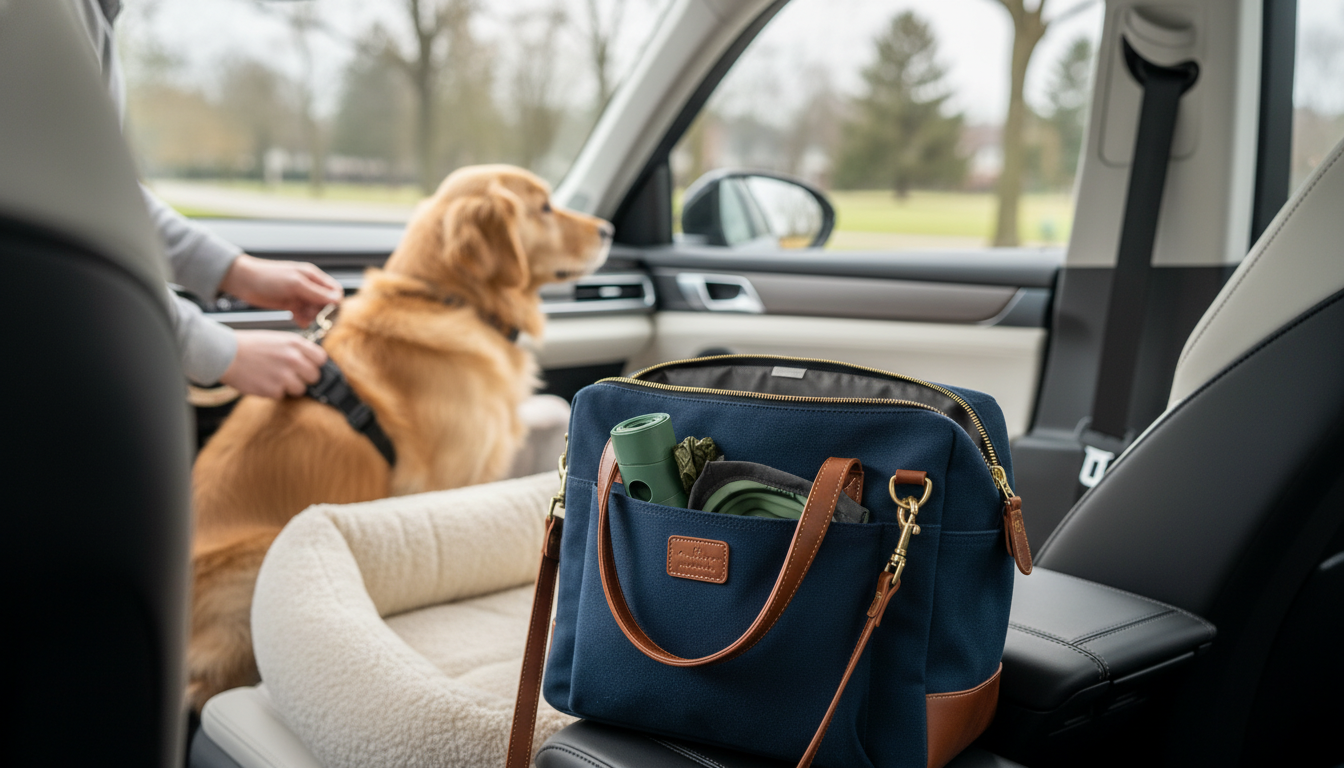
Most dogs do well with a 20–45 minute morning walk, but the “right” length depends on age, breed, health, and how active your dog is. A calm stroll can be enough for some dogs, while others need a longer, brisker outing to start the day settled and satisfied.
Puppies: Think short and frequent. A helpful rule is about 5 minutes per month of age (up to twice daily), so a 4-month-old puppy might do ~20 minutes. Keep it gentle and avoid long, repetitive miles.
Adult dogs: Many adult dogs thrive on 30–60 minutes in the morning, especially if you mix in sniffing time and a few minutes of faster walking.
Seniors: Often do best with 15–30 minutes, at an easy pace, with more time for warm-up and bathroom breaks.
A morning walk isn’t only about exercise—it’s also mental enrichment. Let your dog sniff, change routes occasionally, and add quick “focus” moments (like sit, wait, or heel for a block). Even a shorter walk can feel satisfying when it includes a little exploration and connection.
After the walk, your dog should be relaxed, hydrated, and able to settle. If your dog is still bouncing off the walls, add 5–10 minutes or increase the pace. If you notice heavy panting that doesn’t ease quickly, lagging behind, limping, or sore paws, shorten the walk and consider checking with your vet.
Morning walks often mean juggling essentials—poop bags, treats, keys, phone, and maybe a small water bottle. For a cozy, organized setup that keeps hands free, see the guide to a stylish, functional dog walking bag here: https://kingwuff.com/blog/guide-beige-rover-dog-walking-bag-hands-free-organized-carry/.
For many dogs, 20–45 minutes is a solid morning target. Adjust up for high-energy adults and down for puppies or seniors.
Consistent daily walking is a great foundation, especially when you gradually increase time or pace. Pair it with vet-guided portion control for the most reliable results.
For many dogs, yes—if it’s split into manageable walks and matches their fitness level. High-energy breeds may still need extra play or training, while some dogs need less.