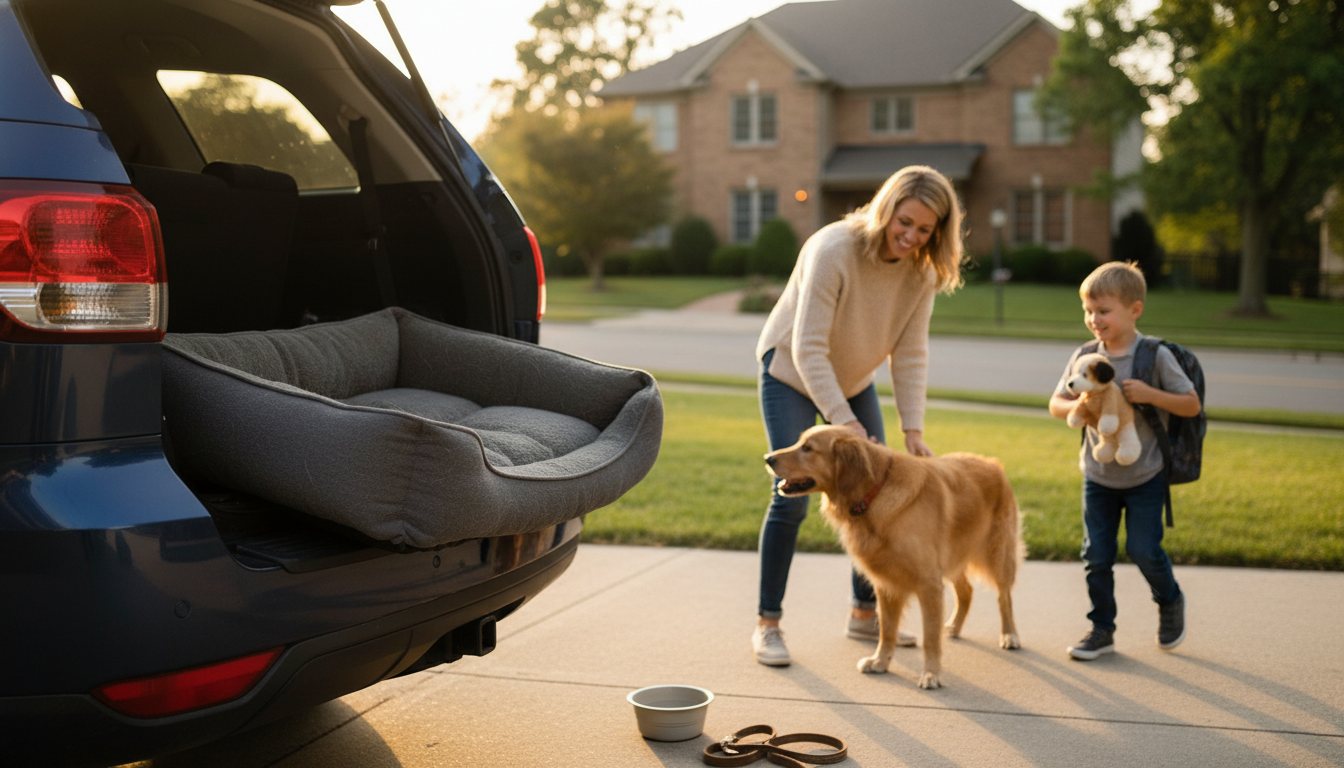
A good dog bed typically lasts about 1 to 3 years, but the real answer depends on your dog’s size, habits, and the bed’s materials. A gentle napper on a well-made bed may get several cozy years out of it, while a digging, chewing, or extra-heavy sleeper can wear one down much faster.
Below are practical points for what affects a dog bed’s lifespan?.
Dogs that circle, scratch, “nest,” or chew put more stress on seams, zippers, and foam. If your pup tends to chew bedding, look for tougher fabrics and fewer tempting loose parts.
Support is usually the first thing to go. When foam starts flattening, your dog may still use the bed, but it won’t provide the same comfort—especially for seniors or dogs with achy joints.
Washable covers help beds last longer because you can remove odors and allergens without soaking the inner cushion. Following care instructions (gentle cycles, fully drying) also helps prevent fabric breakdown and clumping.
If you notice any of these, it’s usually time for an upgrade:
Choose a bed with a removable, washable cover and a durable, supportive insert. Use a blanket or topper for easy cleanup, rotate the bed occasionally, and trim nails to reduce snagging. For more care tips and features that matter (like washable materials and non-slip bottoms), visit this guide to washable, non-slip dog bed mattresses and plush pads.
It’s a premium orthopedic dog bed brand known for thick foam support, especially designed for larger dogs, with a focus on maintaining shape over time.