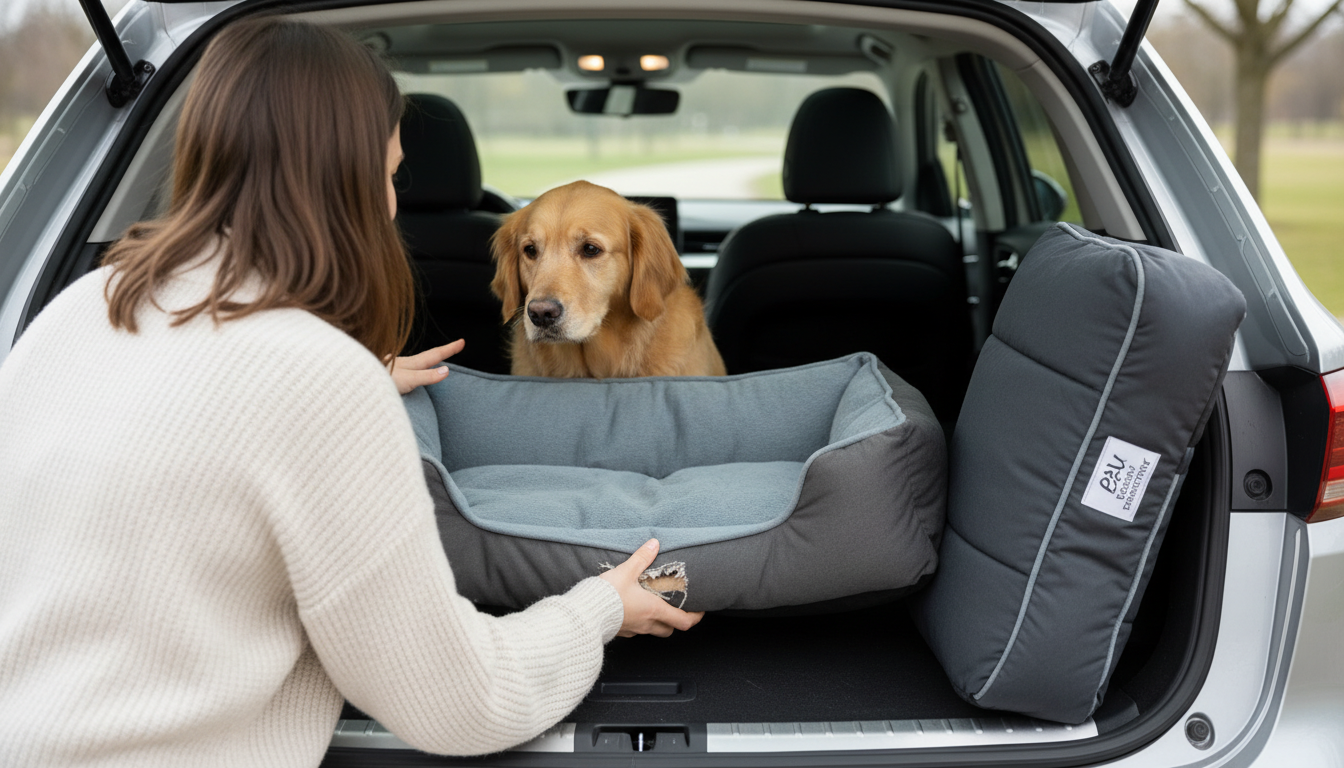
Most foam dog beds last around 1 to 3 years with everyday use, though premium, higher-density foam can stay comfortable closer to 3 to 5 years. The real “lifespan” isn’t just about how long the bed holds together—it’s how long it keeps supporting your dog’s body without bottoming out, forming deep dents, or losing its cozy shape.
Several factors change the timeline. Dog size and sleeping style matter: heavier dogs, “floppers,” and dogs that sprawl in the same spot night after night will compress foam faster. Foam quality is another big one—high-density support foam and well-made memory foam typically resist sagging longer than lightweight, budget foam. Finally, covers and construction count: durable stitching, a protected inner liner, and a washable cover help the bed stay fresh and functional.
If the foam stays dented after your dog gets up, feels flat when you press on it, or you can feel the floor through it, the support is likely gone. Other red flags include a lingering odor that won’t wash out, torn seams exposing foam, or your dog suddenly avoiding the bed or having stiffness after naps. For senior dogs and pups with joint sensitivity, replacing sooner can make a noticeable comfort difference.
Choose a thicker, higher-density foam base, keep a waterproof liner if accidents happen, and wash the cover regularly to protect the foam. Rotating the bed (or flipping it if it’s designed for that) helps distribute wear, and trimming nails reduces cover damage. If your dog loves a cozy “nest,” a cave-style design can also help maintain a supportive shape over time.
For more guidance on choosing a snug, supportive setup, visit this cozy cave dog bed guide.
Yes—foam beds can provide excellent cushioning and joint support, especially for older dogs or dogs that need pressure relief. The key is choosing a quality foam that won’t flatten quickly.
Lower-quality foam can trap heat, hold odors, and lose shape faster over time. Some foams may also be harder to keep dry if the bed doesn’t include a protective liner.
Typically every 2 to 4 years, or sooner if the foam shows permanent dents or your dog seems less comfortable. Heavy daily use and larger dogs may shorten that timeline.