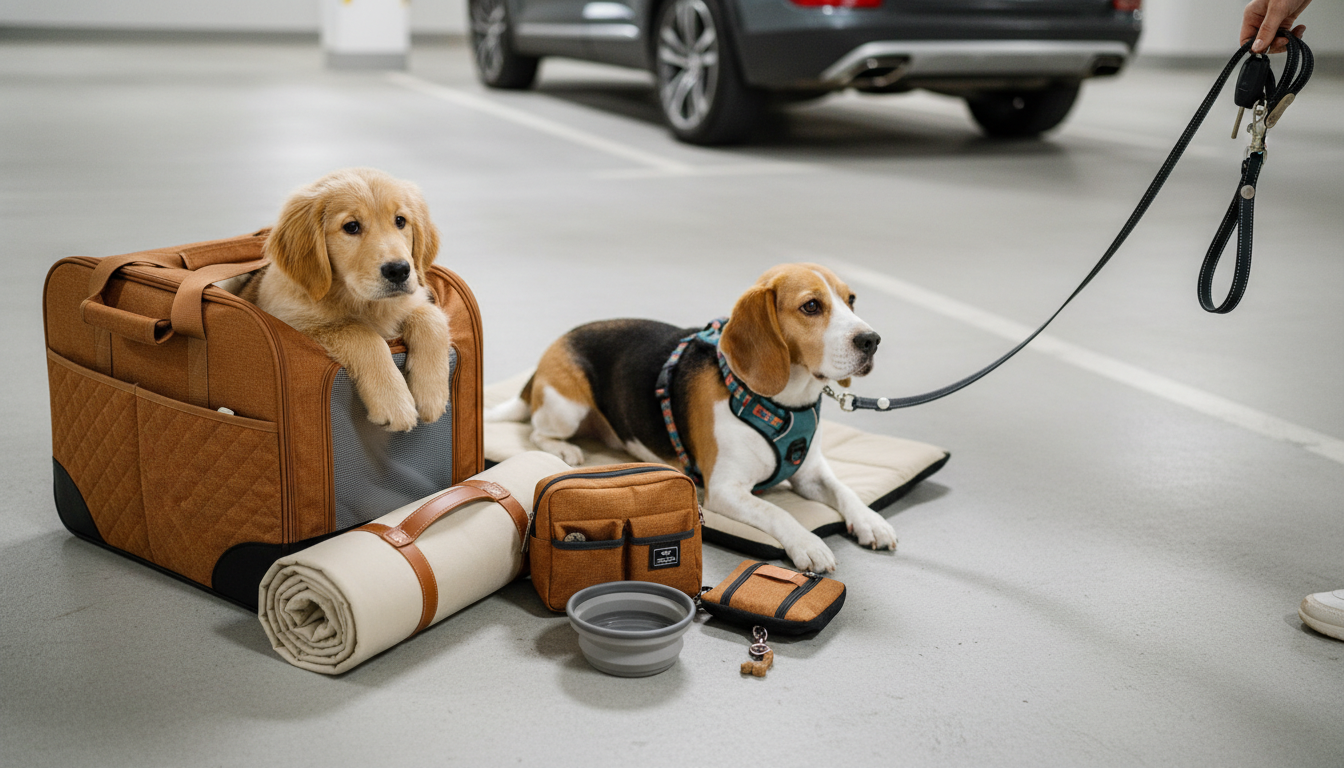
Many dogs start missing their person within minutes of a departure, especially if they’re strongly bonded, used to a predictable routine, or prone to separation anxiety. For some pups, the “missing you” feeling peaks in the first 30–60 minutes as they listen for familiar sounds and track your scent around the home.
After that, plenty of dogs settle into a calmer pattern—napping, chewing, or moving between favorite resting spots—until they hear cues that you’re back (a car door, keys, footsteps). That said, how long they miss you can stretch from a brief window to most of the time you’re away, depending on personality, age, past experiences, and how stimulating their environment is.
Below are practical points for what affects how long a dog misses you?.
Velcro dogs and sensitive breeds often hold onto the “where did you go?” feeling longer. Confident, independent dogs may recover quickly once they realize the house is calm and safe.
Dogs thrive on patterns. If departures happen at random times or come with big emotional goodbyes, some dogs stay on alert longer. A steady routine helps them anticipate your return.
Scent, a familiar resting place, and a cozy setup can shorten the time it takes to relax. A supportive, secure spot—like a washable, non-slip bed pad—can encourage deeper rest and reduce pacing while you’re gone.
Keep goodbyes low-key, offer a long-lasting chew or enrichment toy, and make their rest area inviting and stable. A bed that stays put on smooth floors can be especially comforting for dogs that circle, dig, or reposition before lying down.
If you’re refreshing your dog’s comfort setup, take a look at this guide on choosing a washable, non-slip dog bed mattress and plush pad: https://kingwuff.com/blog/guide-washable-non-slip-dog-bed-mattress-plush-pad/.
Some dogs settle within 15–60 minutes, while others miss you intermittently until you return. Consistent routines and a calming rest space can help shorten that adjustment time.
Most dogs learn patterns and expect you to return, but anxious dogs can struggle with uncertainty. Calm departures and gradual alone-time practice can improve confidence.
Many dogs remember people for months or even years, especially when the bond was strong. Recognition often shows up quickly through scent and familiar voice cues.