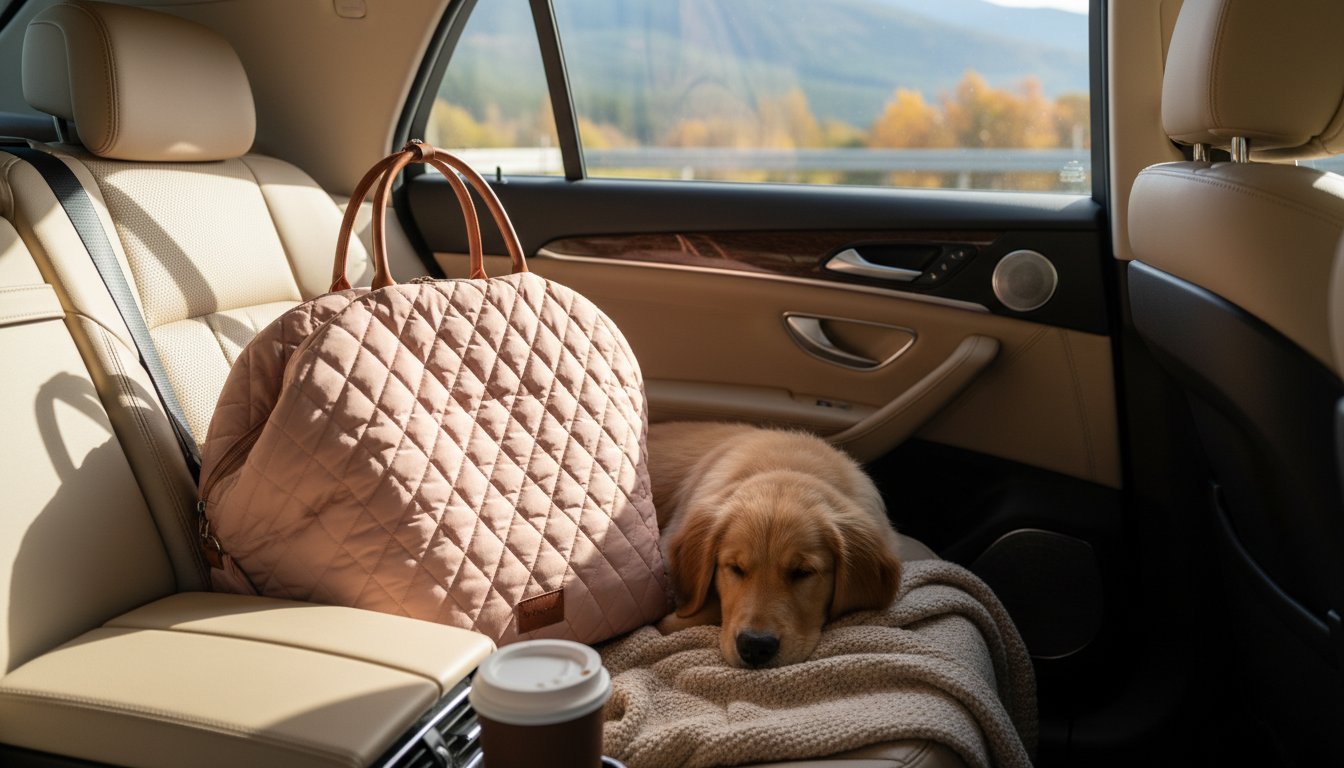
Most healthy adult dogs can handle a 12-hour car trip comfortably when you plan regular breaks and keep them secure and cozy. Aim to stop every 2–3 hours for 10–15 minutes so your dog can stretch, hydrate, and relieve themselves. For puppies, seniors, and dogs with medical needs, plan more frequent, shorter breaks and keep a close eye on stress or motion sickness.
Comfort and safety are key on long drives. Use a crash-tested restraint, travel crate, or a supportive car seat carrier that keeps your dog secure while cushioning bumps and curbs anxiety. Keep the car well ventilated, maintain a comfortable temperature, and offer small amounts of water at each stop. If your dog is prone to car sickness, feed a light meal 3–4 hours before departure and ask your vet about anti-nausea options.
Build your schedule around your dog’s routine. Many dogs travel best after a brisk walk and some mental play to take the edge off. Pack essentials within reach: water, a non-spill bowl, poop bags, a favorite blanket or bed insert for familiar scent, and a chew or calming toy. If the journey runs overnight, consider a longer rest stop or pet-friendly lodging to reset energy and reduce stress.
Watch for signs your dog needs a break: excessive panting, drooling, whining, ear pinning, restlessness, or refusing water. When in doubt, stop early and reset. The goal isn’t just to “make good time” but to make the ride feel calm, safe, and comfortable from start to finish.
With thoughtful planning—scheduled breaks, smart hydration, and a supportive travel setup—most dogs can travel a full 12 hours safely and happily.
Read the full guide for cozy, secure dog travel tips and gear.
Yes—most dogs do well on long trips when they’re safely restrained, given regular stops every 2–3 hours, and kept cool, hydrated, and comfortable with familiar bedding and a calm routine.
Many travelers use a “7-7-7” style guideline to pace long days: keep travel segments reasonable, stop often, and prioritize rest. For dogs, think frequent breaks, light meals, and an early wind-down to prevent fatigue.
There’s no single cutoff, but more than 2–3 hours without a break is typically too long. For full-day trips (8–12 hours), plan multiple stops and consider an extended rest or overnight if your dog shows stress.