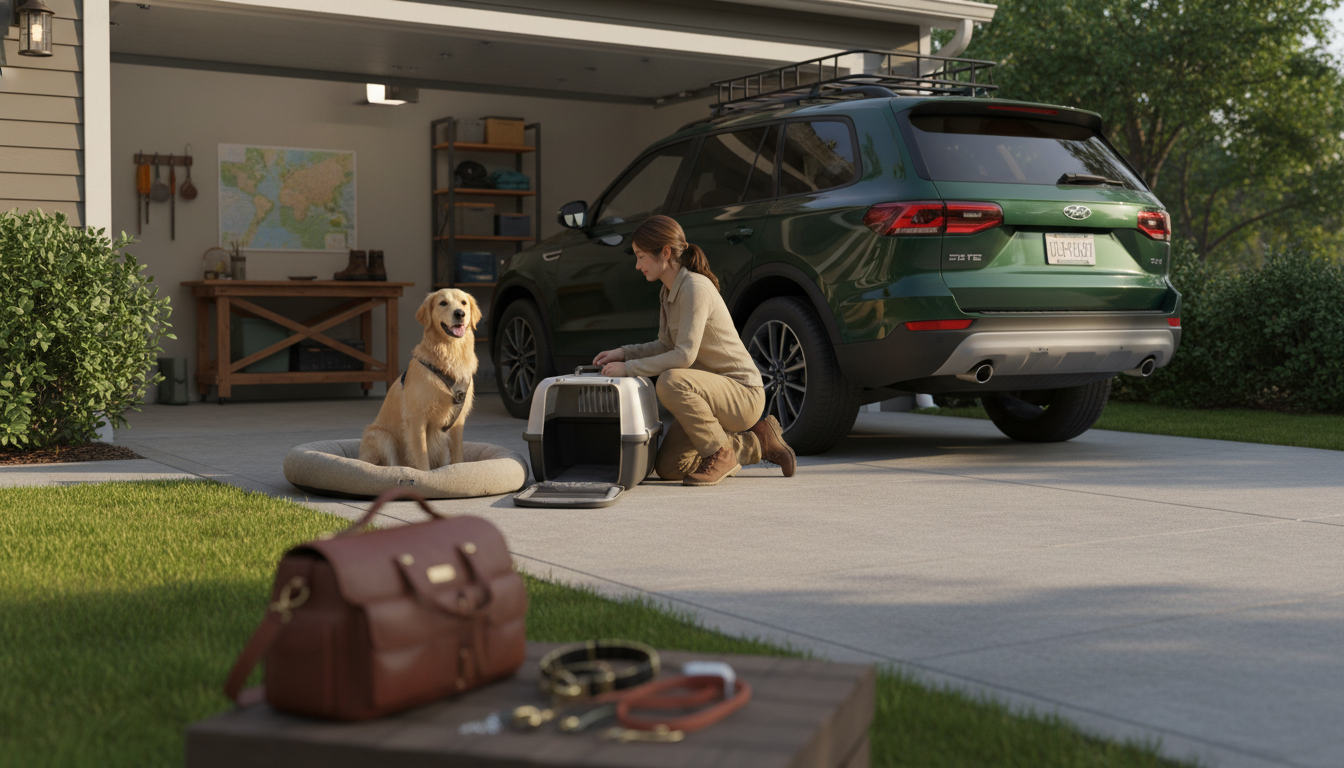
In theHunter: Call of the Wild, your dog is a companion tool that helps you hunt smarter—not a combat pet. After you choose a breed and bring your dog into a reserve, it follows you, responds to commands, and uses its skills to make tracking and recovering animals easier. The dog’s effectiveness depends on what you ask it to do, how well it’s trained, and how calmly you handle the hunt.
The most common job is helping you recover downed animals. With commands like “track” and “find,” your dog can follow blood trails and lead you to the harvest, which is especially helpful in thick brush, low light, or when multiple trails cross. Depending on the dog type and training, it can also help locate certain animals or point out points of interest, reducing the time you spend scanning and guessing.
Your dog levels up through use. As it gains experience, you unlock traits and skills that improve reliability, tracking range, and focus. Traits can shape personality-style behaviors (like being steadier under pressure), while skills strengthen performance for tasks such as tracking. Keeping your dog attentive matters—if it gets spooked by nearby animals, loud movement, or chaotic situations, it may hesitate or break off.
Dogs can make noise and move around, so good handling is key. Use “stay” or keep your dog close when you’re stalking a cautious animal, then send it to work after the shot. Treated like a calm, well-managed partner, the dog saves time, helps prevent lost harvests, and makes long sessions feel smoother.
If you enjoy gear that keeps real-life dogs comfortable between adventures, take a peek at our cozy, pet-centric guide: Midnight Nest Dog Bed Guide.
Yes if you regularly track wounded animals or hunt in dense terrain. A dog can shorten recovery time and reduce the chance of losing a harvest.
They follow you, respond to commands, and use trained skills—most often tracking blood trails and helping locate your downed animal. As they level up, they become more consistent and capable.
Howling is mainly a utility/interaction behavior rather than a direct hunting advantage. It can be used for signaling or flavor, but it may also add noise that’s not ideal while stalking.