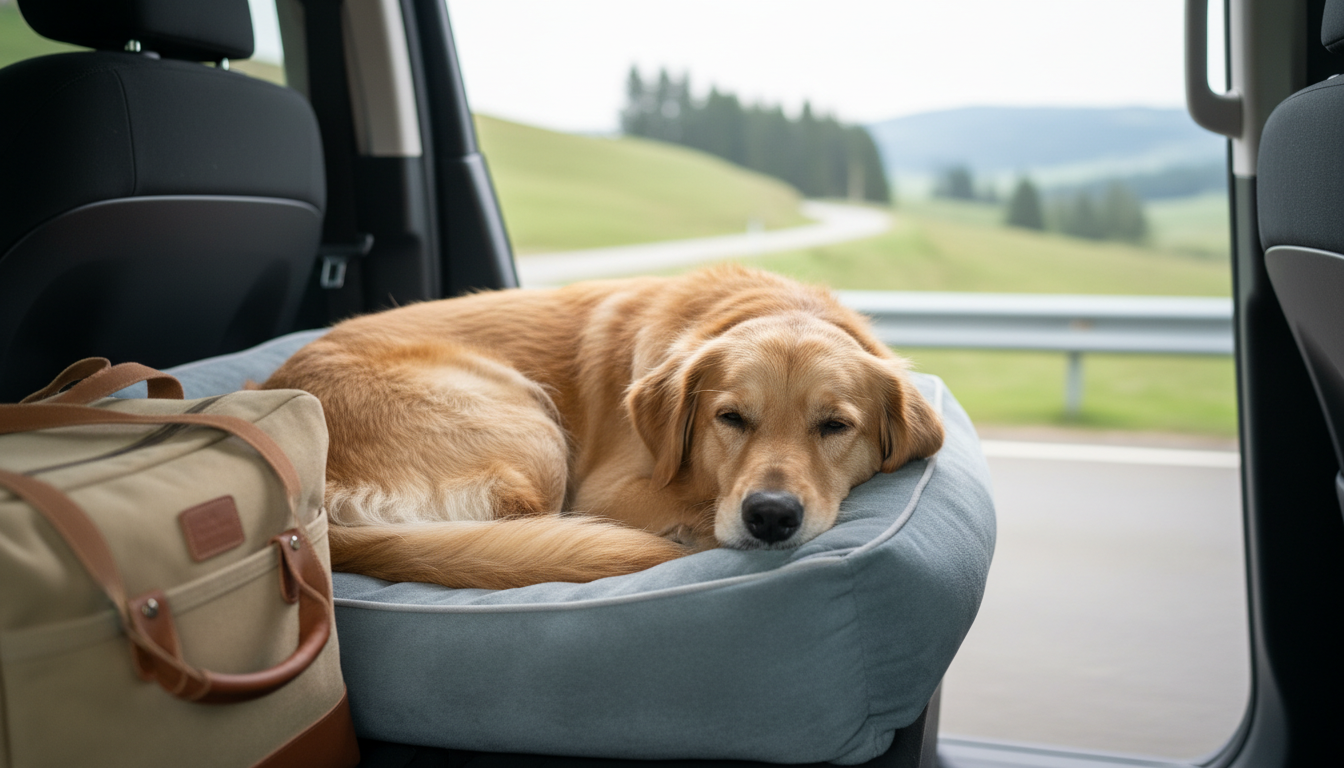
A happy dog typically sleeps in a way that looks relaxed, secure, and unbothered by the world around them. You might see deep, steady breathing, loose muscles, and a body position that says, “I’m safe here.” While every dog has quirks, contentment often shows up through consistent, restful sleep and comfortable choices about where and how to settle down.
When dogs feel good, their sleep posture is usually soft rather than tense. Many happy dogs sleep on their side with legs stretched out, or even on their back with their belly exposed—both signs they’re comfortable enough to let their guard down. You may also notice their face looks smooth (no tight brow), their jaw is relaxed, and their ears aren’t pinned back.
Content dogs tend to move through sleep cycles normally, including deeper stages where you might see gentle twitching, paw paddling, or quiet “dream” movements. That’s often a sign they’re getting quality rest. A dog that’s anxious or uncomfortable may stay lighter in sleep, startle easily, or change positions repeatedly.
Many dogs sleep happiest when they have a comfortable base, supportive cushioning, and a sense of shelter. Some dogs naturally seek corners, curl up, or burrow—especially smaller breeds, seniors, and pups that like warmth. A snug, cave-style bed can help them feel tucked in and protected while still staying breathable and easy to enter.
Happy sleep is less about one specific pose and more about a reliable routine, a calm environment, and a bed that supports your dog’s body. If your dog wakes up refreshed, isn’t stiff after napping, and consistently chooses their sleep space, those are strong signs they’re genuinely comfortable. For a closer look at what makes a cozy cave bed so appealing, visit this guide to the Snuggler Cozy Cave Bed.
Most dogs do best with a bed that matches their size and sleep style, offers easy-to-clean materials, and provides enough support for their joints—especially as they get older.